Sugar Water Safety Calculator
Input Parameters
Adjust the inputs to see if your sugar water recipe is safe for your plants.
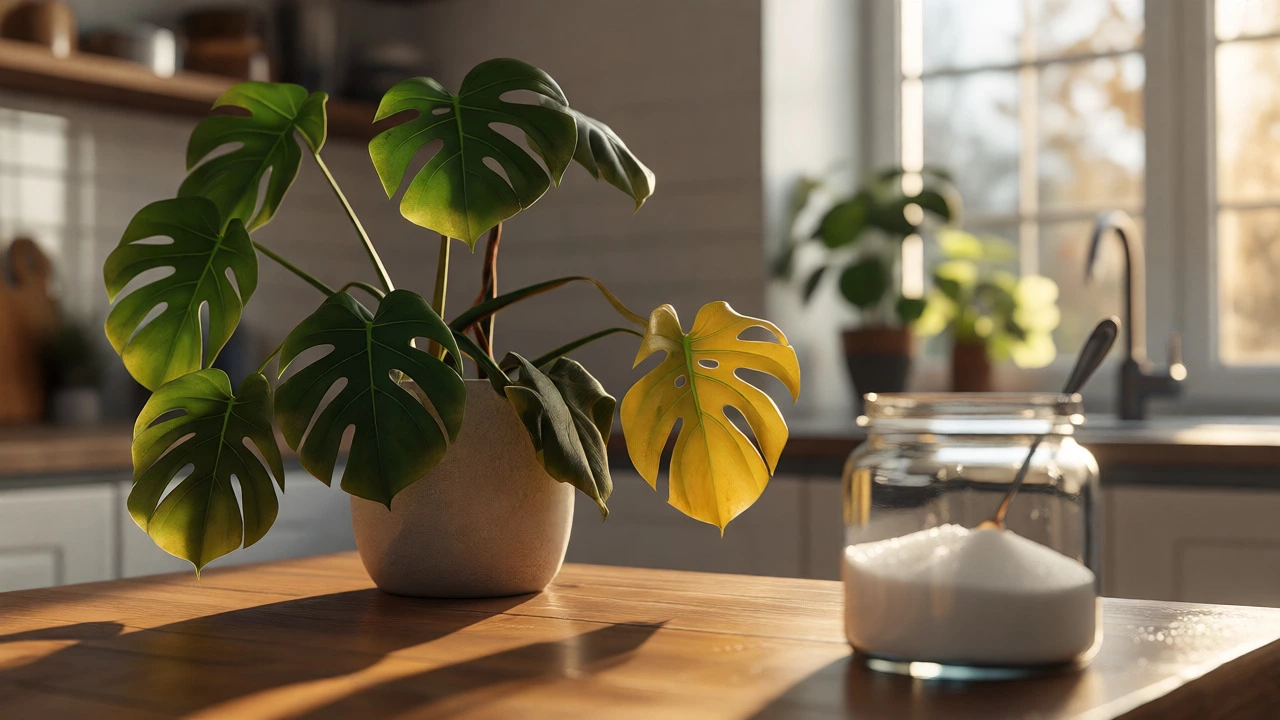
You’re standing in your kitchen, staring at a drooping Monstera that just isn’t looking its best. You remember reading somewhere that pouring sugar water on houseplants gives them an energy boost, like a double espresso for leaves. It sounds logical, right? Plants need glucose to grow, so feeding them glucose should make them thrive. But here is the uncomfortable truth: most of what you’ve heard about sugar water is either half-truth or complete myth.
The reality is more nuanced than a simple "yes" or "no." While sugar can play a role in plant health, it’s not the magic potion many online forums claim it to be. In fact, using it incorrectly can kill your plants faster than neglect ever could. This guide cuts through the noise to explain exactly when, how, and why you might want to consider sweetening up your watering routine, and when you should keep the sugar jar firmly shut.
The Science Behind Sugar and Plant Metabolism
To understand if sugar helps, we first need to look at how plants actually eat. Unlike animals, plants are autotrophs. They create their own food through photosynthesis, converting sunlight, carbon dioxide, and water into glucose. This glucose is the fuel they use for growth, repair, and reproduction. So, if they make their own sugar, why would they need us to provide it?
Plants do absorb some sugars through their roots and leaves, but their primary source remains internal production. When you pour sugar water into the soil, you aren't directly feeding the plant's cells in the way a human absorbs a candy bar. Instead, you are feeding the soil microbiome. These are the billions of bacteria, fungi, and microbes living in your potting mix. These organisms break down organic matter and release nutrients that the plant can then uptake. By adding sugar, you are essentially tipping the waiters (the microbes) rather than feeding the guest (the plant).
| Feature | Sugar Water | NPK Fertilizer |
|---|---|---|
| Primary Nutrient Source | Carbon/Energy for microbes | Nitrogen, Phosphorus, Potassium |
| Speed of Action | Slow (requires microbial breakdown) | Fast (directly available) |
| Risk of Root Burn | High if concentration is too high | Moderate if over-applied |
| Best Used For | Stimulating root growth, reviving stressed plants | General vegetative growth, flowering |
When Sugar Water Actually Helps
There are specific scenarios where sugar water provides a tangible benefit. The most common application is during transplant shock. When you move a plant from a nursery pot to a new home, its root system suffers damage. The plant struggles to take up water and nutrients because its root surface area is compromised. A weak sugar solution can stimulate microbial activity in the soil, which in turn encourages root expansion. Some gardeners swear by this method for helping cuttings strike roots, as the slight energy boost supports the formation of callus tissue.
Another valid use case is for plants showing signs of extreme carbohydrate deficiency. This rarely happens in healthy, well-lit indoor environments but can occur in low-light conditions where photosynthesis is sluggish. If your plant has been sitting in a dark corner for months, it may have depleted its starch reserves. A very dilute sugar feed can help bridge the gap until you improve the lighting conditions. However, remember that fixing the light is the cure; the sugar is just the band-aid.
The Dangers: Why Sugar Can Kill Your Plants
Here is where things get risky. Soil is a delicate ecosystem. Introducing a sudden spike of simple carbohydrates can cause a bacterial explosion. Certain types of bacteria love sugar and reproduce rapidly. While some bacteria are beneficial, others are pathogenic. An overabundance of sugar can favor harmful pathogens over mycorrhizal fungi, which form symbiotic relationships with plant roots. If the bad guys win, you end up with root rot.
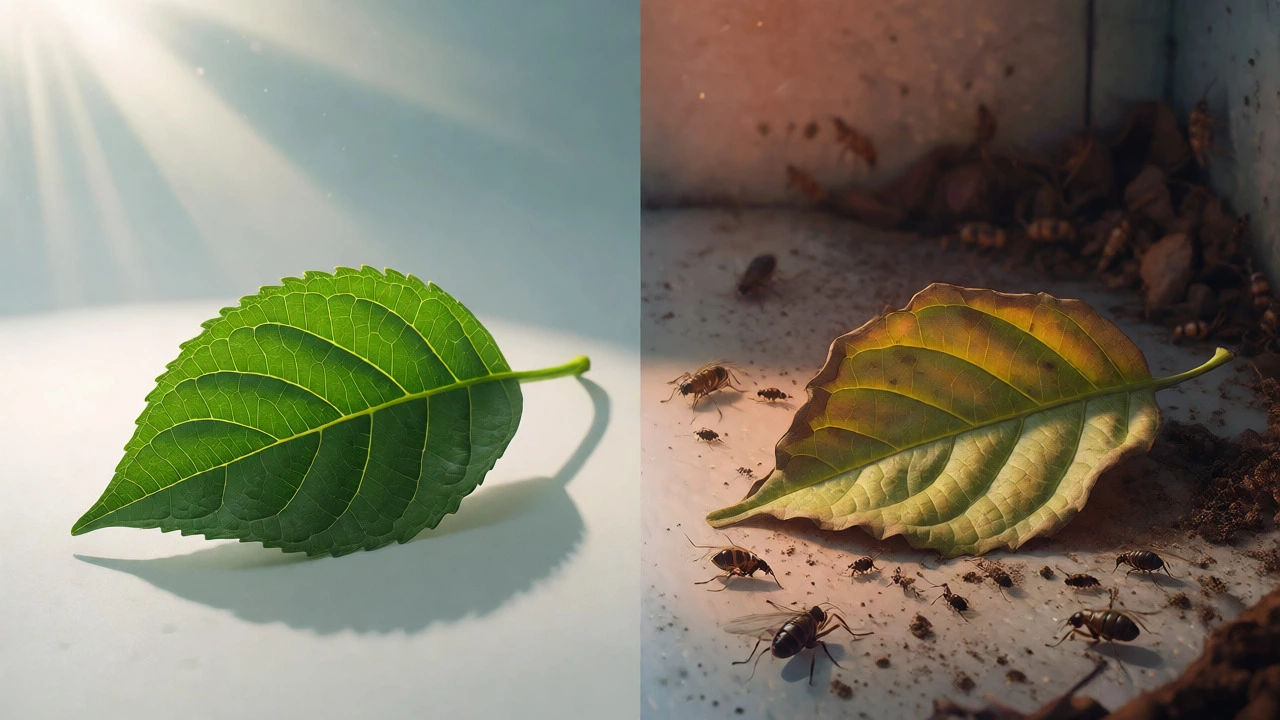
Furthermore, sugar attracts pests. Ants, fungus gnats, and even cockroaches are drawn to sweet residues left on the soil surface or spilled on the saucer. If you live in Auckland like I do, you know how quickly ants can invade a potted plant after a sugary treat. Once they find a reliable food source, they will return, potentially bringing aphids along for the ride since aphids and ants often work together.
Osmotic pressure is another critical factor. High concentrations of sugar in the soil draw water out of the plant roots through osmosis. Instead of hydrating the plant, the sugar pulls moisture away from it, leading to dehydration symptoms that mimic underwatering. Leaves turn yellow, edges crisp up, and the plant looks wilted despite wet soil. This is a classic mistake made by enthusiastic beginners who think "more is better."

How to Make and Apply Sugar Water Correctly
If you decide to try sugar water, precision is key. You cannot just dump a spoonful of white granulated sugar into a cup of water and hope for the best. The ratio matters immensely. A safe starting point is one teaspoon of sugar per gallon of water. That’s roughly 5 grams of sugar per 3.8 liters. This creates a highly dilute solution that feeds microbes without overwhelming them.
- Use Warm Water: Dissolve the sugar completely in warm water before cooling it to room temperature. Undissolved crystals sitting on top of the soil are magnets for mold and pests.
- Apply to Soil Only: Avoid getting the solution on the leaves unless you are doing a foliar spray specifically designed for it. Leaf surfaces are not optimized for sugar absorption and can develop fungal spots.
- Monitor Closely: Check the plant every day for two weeks. Look for signs of increased pest activity or changes in leaf color. If the plant looks worse, stop immediately and flush the soil with plain water.
- Frequency: Do not apply this weekly. Treat it as a occasional supplement, perhaps once every four to six weeks during the growing season.
Some gardeners prefer molasses over refined sugar. Molasses is less processed and contains trace minerals like calcium, magnesium, and iron, along with B vitamins. Because it breaks down slower than pure sucrose, it provides a steadier food source for soil microbes. A tablespoon of unsulfured blackstrap molasses per gallon is a common recipe among organic growers.
Better Alternatives to Sugar Water
Before you reach for the sugar bowl, consider if there are more effective ways to achieve your goal. If your plant is struggling due to lack of nutrients, a balanced liquid fertilizer is far more efficient. Products labeled 10-10-10 or similar NPK ratios deliver nitrogen, phosphorus, and potassium directly to the roots without the risk of microbial imbalance.
If the issue is poor soil structure or compacted roots, repotting with fresh, aerated potting mix is superior to any homemade tonic. Fresh soil brings a new population of beneficial microbes and improved drainage. For those seeking a natural boost, compost tea is a proven alternative. It introduces a diverse range of microorganisms and humic acids that enhance nutrient uptake without the osmotic risks associated with sugar.
For plants suffering from low light, investing in a full-spectrum LED grow light addresses the root cause. Increasing photosynthetic efficiency allows the plant to produce its own glucose naturally, eliminating the need for external supplementation.
Real-World Examples: Successes and Failures
I recall a client who brought me a dying Fiddle Leaf Fig. She had been treating it with daily sugar water, convinced it needed extra energy. The soil was covered in a sticky residue, and tiny flies buzzed around the base. We stopped the sugar, flushed the soil thoroughly, and applied a neem oil treatment for the gnats. Within three weeks, new leaves emerged. The sugar hadn't helped; it had fed the pests and disrupted the soil balance.
Conversely, I’ve seen success with sugar water on orchid keikis (baby orchids). Orchids have sensitive root systems that sometimes struggle to establish themselves in bark media. A very weak molasses solution applied monthly seemed to encourage root tip growth. The key was the extreme dilution and the infrequent application. This suggests that context matters heavily-what works for a hardy pothos might disaster for a sensitive fern.
Can I use brown sugar instead of white sugar?
Yes, brown sugar is acceptable and arguably slightly better than white sugar because it retains small amounts of molasses and minerals. However, the difference is minimal. The primary concern is still the concentration and frequency of application, not the type of sucrose used. Ensure it dissolves completely to avoid residue buildup.
Will sugar water make my plants flower more?
Not directly. Flowering is triggered by light cycles, temperature changes, and adequate phosphorus levels. While sugar provides energy, it does not supply the specific nutrients required for bloom development. Excessive nitrogen (often found in fertilizers) promotes leaf growth, while phosphorus promotes flowers. Sugar water lacks significant phosphorus, so it won't trigger blooming on its own.
Does sugar water attract mold?
Absolutely. Surface mold thrives on organic matter, including sugar residues left on the top layer of soil. If you notice white, fuzzy patches appearing shortly after application, you likely used too much sugar or didn't dissolve it properly. Scrape off the affected soil layer and switch to plain water until the mold recedes.
Is honey a good substitute for sugar water?
Honey contains sugars plus enzymes and antioxidants, but it also has antibacterial properties that might inhibit some soil microbes initially. It is thicker and harder to dissolve evenly. If you use honey, dilute it significantly more than sugar. It’s generally less predictable than plain sucrose or molasses for consistent results.
Which plants hate sugar water the most?
Succulents, cacti, and epiphytic plants like air plants are particularly sensitive. Their native soils are low in organic matter and microbes. Adding sugar can lead to rapid fungal infections and rot in these species. Stick to specialized cactus fertilizers for these varieties.
Final Verdict: To Sweeten or Not to Sweeten?
So, is sugar water good for plants? The answer is a cautious "maybe," leaning towards "probably not necessary." It is not a universal fertilizer. It is a specific tool for stimulating soil biology, primarily useful for established plants needing a microbial kick or cuttings trying to root. For the average indoor plant owner, the risks of attracting pests and causing root burn outweigh the marginal benefits.
If you want healthier plants, focus on the basics: proper lighting, correct watering habits, and regular feeding with a balanced fertilizer. Save the sugar for your coffee. If you do experiment, start with a tiny amount, observe closely, and never let it become a habit. Your plants are experts at making their own food; sometimes, the best thing you can do is simply get out of their way.