Monsoon Gardening Planner
-
🌴Western Coast Kerala, Karnataka
-
⛈️Central & Western Maharashtra, Gujarat
-
🌫️Northeast Assam, Meghalaya
-
🌩️North Delhi, Punjab
-
☀️South Interior Tamil Nadu
Your Monsoon Profile:
Peak Rainy Months
Rain Characteristics
Gardening Impact
Recommended Plants
Key Actions for July-August
💡 Pro Tip for Your Region
Select a region to get started
Choose your location to see personalized monsoon gardening advice for July and August.
If you are planning your garden in India, timing is everything. You might be wondering which months bring the most water so you can plan your watering schedule, protect delicate blooms, or start a new vegetable patch. The short answer? July and August. These two months form the heart of the Southwest Monsoon, bringing the heaviest and most consistent rainfall across the subcontinent.
But knowing the dates is only half the battle. For a gardener, understanding why it rains then-and how different regions react-changes everything. Are you growing heat-loving marigolds in Delhi, or humidity-sensitive orchids in Kerala? The rain behaves differently depending on where you stand. Let’s break down exactly what happens during these wet months and how you can use that knowledge to keep your plants thriving instead of drowning.
The Heart of the Monsoon: Why July and August Dominate
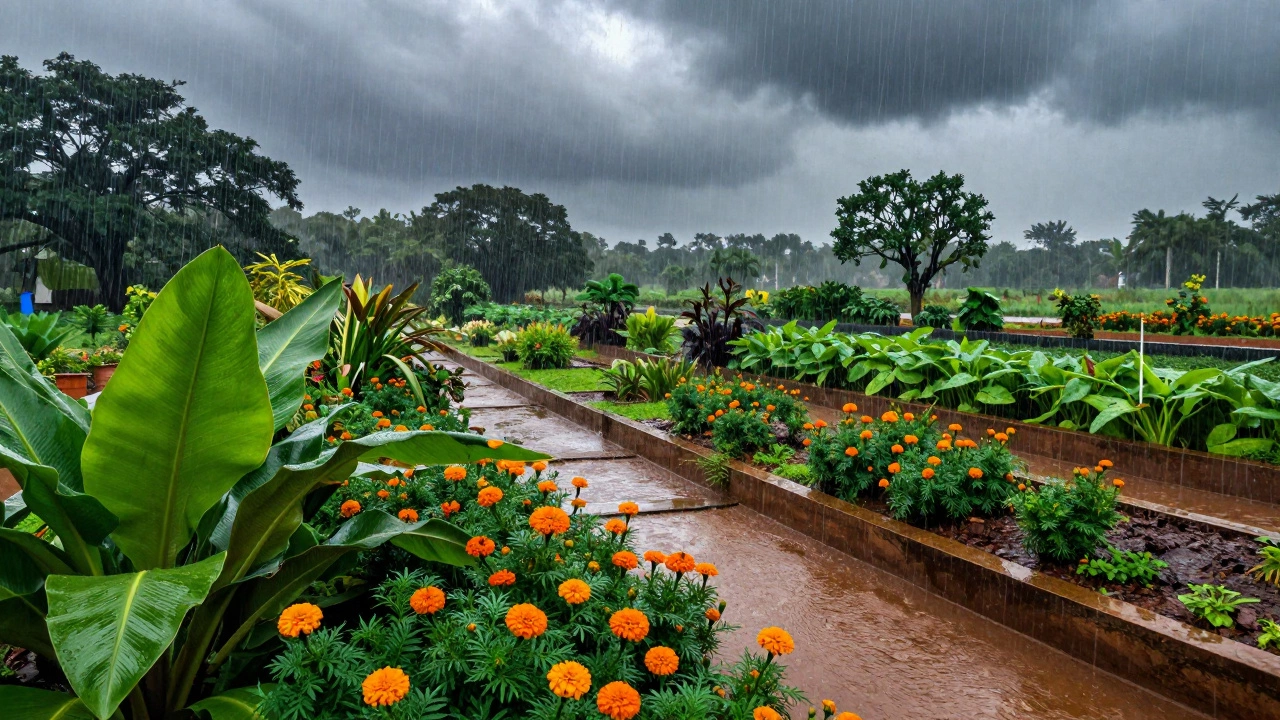
The Southwest Monsoon isn’t just a weather pattern; it’s the engine that drives agriculture and gardening in India. It typically arrives in early June along the southern coast and sweeps northward by mid-June. By the time July rolls around, the entire country is under its influence. This is when the moisture-laden winds from the Arabian Sea and Bay of Bengal hit the Western Ghats and Himalayas, dumping massive amounts of rain.
July usually sees the peak intensity. In many parts of central and western India, this month records the highest monthly rainfall totals. August follows closely behind, maintaining high humidity and frequent downpours before the monsoon begins to retreat in September. Together, these two months account for roughly 70-80% of the annual rainfall in many states. If you’re looking for the absolute wettest period, this is it.
However, "rainiest" doesn't always mean "most days." In some regions, you might get three dry days followed by one day of torrential rain. In others, like the Northeast, it drizzles almost continuously. This distinction matters for gardening because constant saturation leads to root rot, while heavy bursts require drainage solutions.
Regional Differences: Not All Rain Falls Equally
India is huge, and its geography creates microclimates that defy simple generalizations. While July and August are generally the wettest nationwide, the experience varies wildly depending on your location.
| Region | Peak Rainy Months | Characteristics | Gardening Impact |
|---|---|---|---|
| Western Coast (Kerala, Karnataka) | June - August | Heavy, continuous rain | Risk of waterlogging; ideal for ferns and tropical foliage |
| Central & Western (Maharashtra, Gujarat) | July - August | Intense bursts, high humidity | Needs excellent drainage; good for hardy shrubs |
| Northeast (Assam, Meghalaya) | May - September | Highest total rainfall globally | Extreme humidity; fungal issues common |
| North (Delhi, Punjab) | July - August | Thunderstorms, cooler nights | Best time for winter crop preparation |
| South Interior (Tamil Nadu) | October - December | Post-monsoon rain | Drier in July/August; focus on irrigation |
Notice something interesting about Tamil Nadu? It actually gets most of its rain during the retreating monsoon (October-November) from cyclonic systems in the Bay of Bengal. So if you live in Chennai, July and August might feel relatively dry compared to the rest of the country. Always check your local historical data rather than relying solely on national averages.
What This Means for Your Flower Garden
For flower gardeners, July and August present both opportunities and threats. On one hand, the abundant water means less manual labor for irrigation. On the other, excessive moisture invites pests, fungi, and mold. Here’s how to navigate this tricky balance.
Fungal Diseases: High humidity is a dream come true for powdery mildew, black spot, and botrytis. Roses, petunias, and geraniums are particularly vulnerable. To combat this, ensure good air circulation around your plants. Prune dense foliage, stake tall flowers to keep them off the ground, and avoid overhead watering in the evening when leaves stay wet overnight.
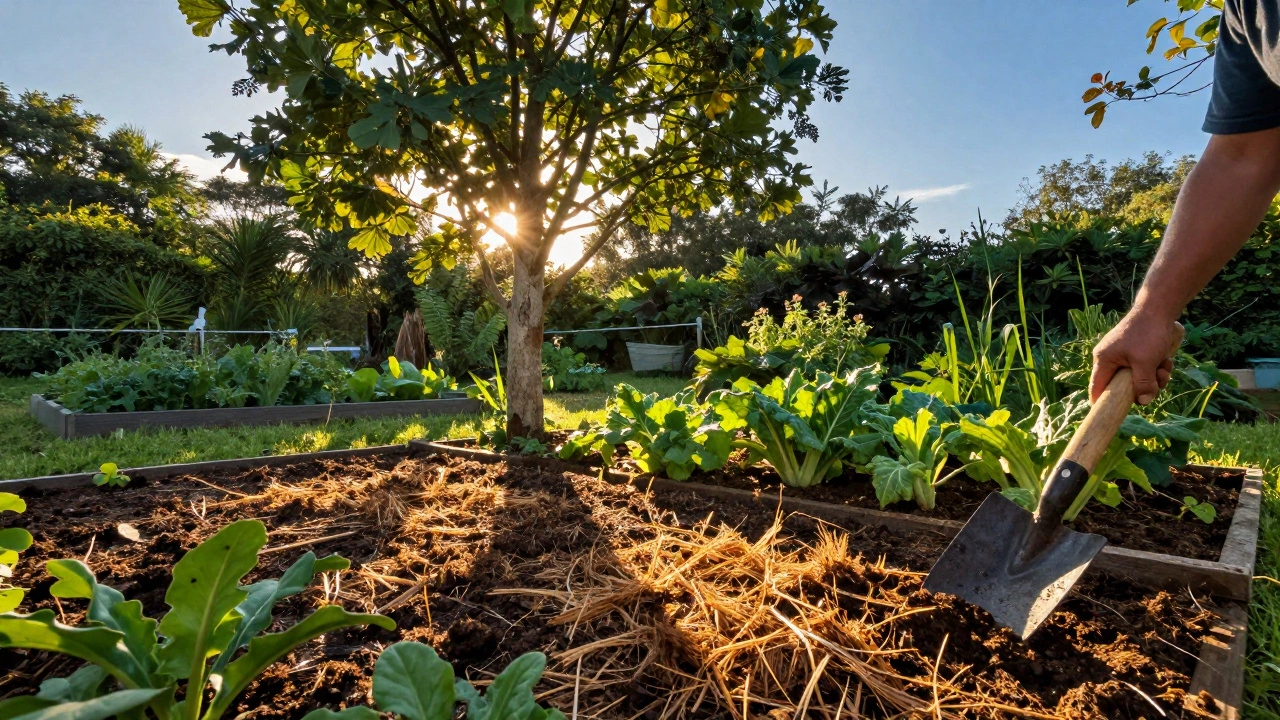
Soil Erosion and Compaction: Heavy rains can wash away topsoil and compact the earth, suffocating roots. Mulching is your best friend here. Apply a thick layer of organic mulch (like coconut coir or wood chips) to protect the soil surface. This keeps roots cool, retains structure, and prevents erosion during downpours.
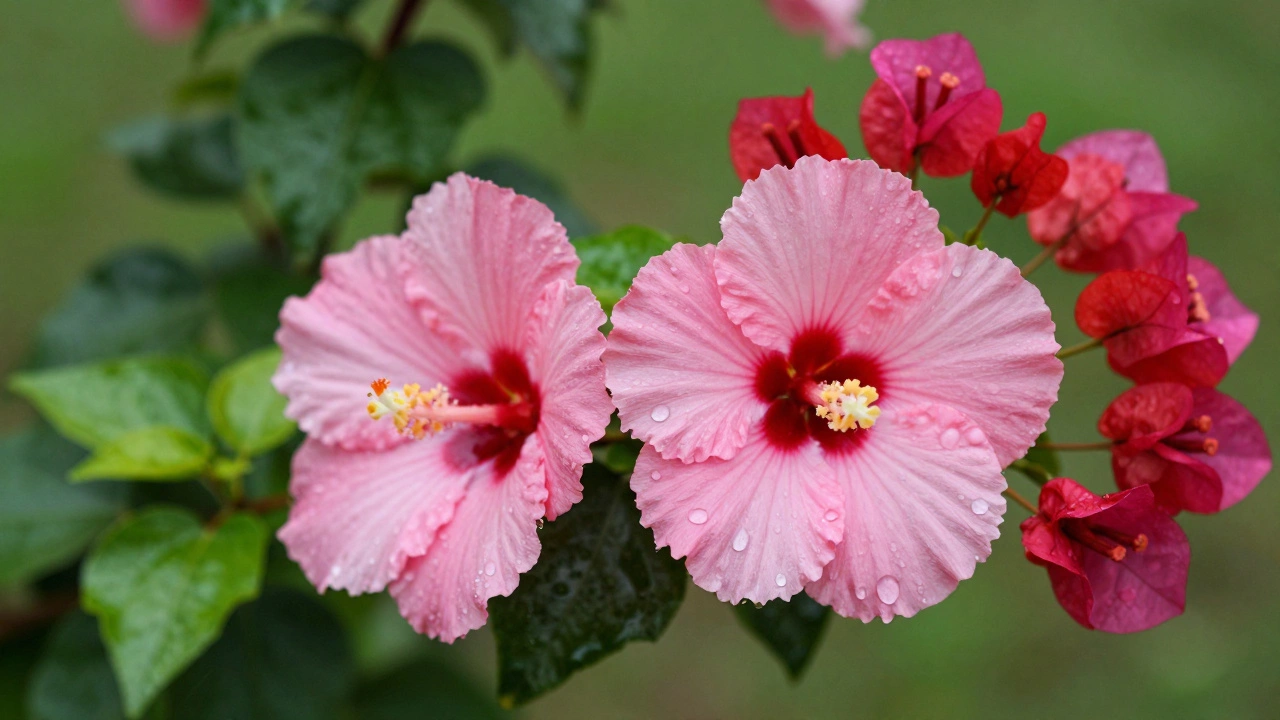
Plant Selection: Some flowers thrive in the monsoon. Consider planting Hibiscus, Bougainvillea, and Marigolds, which love the warmth and moisture. Avoid sensitive varieties like lavender or succulents unless they are in elevated, well-draining pots with gritty soil mixes.
Practical Steps for Monsoon Gardening Success
You don’t need to guess your way through the rainy season. Follow these actionable steps to keep your garden healthy during July and August:
- Check Drainage First: Before the rains start, inspect your garden beds. Water should flow away from plant bases, not pool around them. If you have clay soil, consider adding sand or compost to improve permeability.
- Elevate Sensitive Plants: Use raised beds or large pots for plants that hate wet feet. This gives you control over drainage even if the ground becomes saturated.
- Reduce Nitrogen Fertilizer: Heavy rains leach nutrients from the soil, but applying nitrogen-rich fertilizers during peak rain can cause rapid, weak growth that’s prone to disease. Stick to slow-release organic options or wait until the rains taper off.
- Monitor for Pests Daily: Slugs, snails, and soft-bodied insects emerge in humid conditions. Inspect undersides of leaves regularly. Neem oil sprays can help deter them without harming beneficial insects.
- Harvest Early: If you grow vegetables or cut flowers, harvest as soon as they’re ready. Wet conditions accelerate spoilage and reduce shelf life.
When the Rain Stops: Preparing for the Retreat
By late August, the monsoon begins to weaken. The clouds thin out, temperatures drop slightly, and sunlight returns. This transition period is critical. Many gardeners make the mistake of assuming the rain will continue indefinitely and neglect their plants as the soil dries out rapidly after weeks of saturation.
This is the perfect time to assess damage. Look for broken branches, washed-out soil, or diseased leaves. Trim back any damaged growth to encourage fresh shoots. Replenish depleted soil with compost or well-rotted manure to restore nutrients lost during the heavy rains. This sets the stage for the vibrant autumn flowering season that follows.
Also, remember that the retreating monsoon brings a change in wind direction. In northern India, this means cleaner air and clearer skies, which boosts photosynthesis. In the south, it signals the approach of cyclonic activity, so secure loose structures and prune weak branches to withstand strong winds.
Common Mistakes to Avoid
Even experienced gardeners trip up during the monsoon. Here are three pitfalls to watch out for:
- Overwatering Indoors: Just because it’s raining outside doesn’t mean your indoor plants need more water. In fact, high humidity slows evaporation, so you may need to water less frequently. Check soil moisture before adding more water.
- Ignoring Container Drainage: Pots sitting on patios often block drainage holes with debris. Clear them out regularly to prevent standing water, which kills roots quickly.
- Planting Too Deeply: New transplants planted too deep struggle in wet soil. Ensure the crown of the plant remains above ground level to prevent stem rot.
Understanding the rhythm of the monsoon transforms it from a nuisance into a powerful ally. With careful planning, your garden can flourish despite-or even because of-the heavy rains.
Are July and August the rainiest months everywhere in India?
No. While July and August are the wettest for most of the country, Tamil Nadu and parts of Southeast India receive their peak rainfall during October and November due to the Northeast Monsoon. The Northeast region also experiences extended rainy seasons from May to September.
What flowers bloom best during the Indian monsoon?
Hibiscus, Bougainvillea, Marigolds, Zinnias, and Sunflowers thrive in monsoon conditions. They tolerate high humidity and benefit from ample water. Avoid drought-tolerant plants like Lavender or Succulents unless grown in controlled environments.
How do I prevent root rot during heavy rains?
Improve drainage by mixing sand or perlite into soil, use raised beds, and ensure pots have clear drainage holes. Mulch heavily to protect soil structure, and avoid planting in low-lying areas where water collects.
Should I stop fertilizing my plants during monsoon?
It’s best to pause heavy nitrogen fertilization during peak rains (July-August) as it promotes weak, susceptible growth. Switch to slow-release organic compost or wait until the rains subside in September to replenish nutrients effectively.
Why does my garden smell bad after rain?
A foul odor often indicates anaerobic conditions caused by waterlogged soil. Poor drainage traps water, killing beneficial microbes and promoting decay. Aerate the soil gently once dry, add compost to boost microbial life, and improve drainage paths.