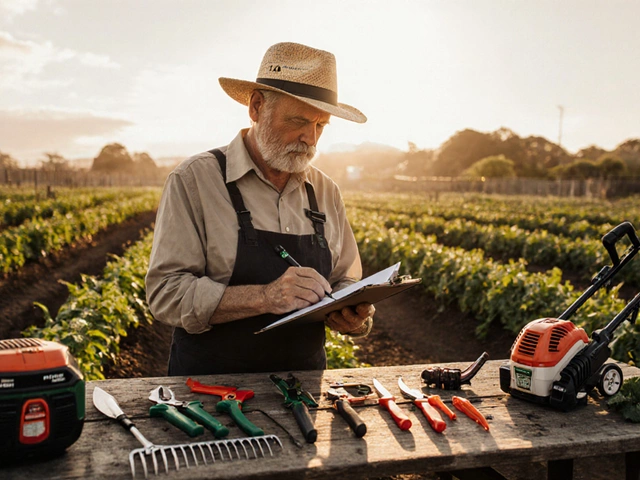
Essential Garden Tool Checklist & Quiz
Test your knowledge on the five essential tools for successful vegetable gardening. Select an option below to begin.
Step 1: Identify Your Essentials
Hand Trowel
Precision digging & planting
Bypass Pruners
Clean cuts for living stems
Hori-Hori Knife
Versatile slicing & digging
Watering System
Targeted root zone hydration
Nitrile Gloves
Protection with dexterity
Soil Test Kit
Measure pH & nutrients
You don't need a shed full of shiny gadgets to grow tomatoes that actually taste like something. In fact, most beginner gardeners in Auckland spend hundreds on kits they never use again. The truth is simpler: you need five solid tools and the knowledge to keep them sharp. That's it.
Think about your last failed harvest. Was it really because you lacked a fancy aerator? Probably not. It was likely poor soil contact or inconsistent watering. This guide cuts through the marketing noise. We're looking at what actually moves dirt, cuts stems, and saves your back. Whether you are working a small balcony box or a full backyard plot, these are the non-negotiables for vegetable gardening.
The Hand Trowel: Your Primary Interface with Soil
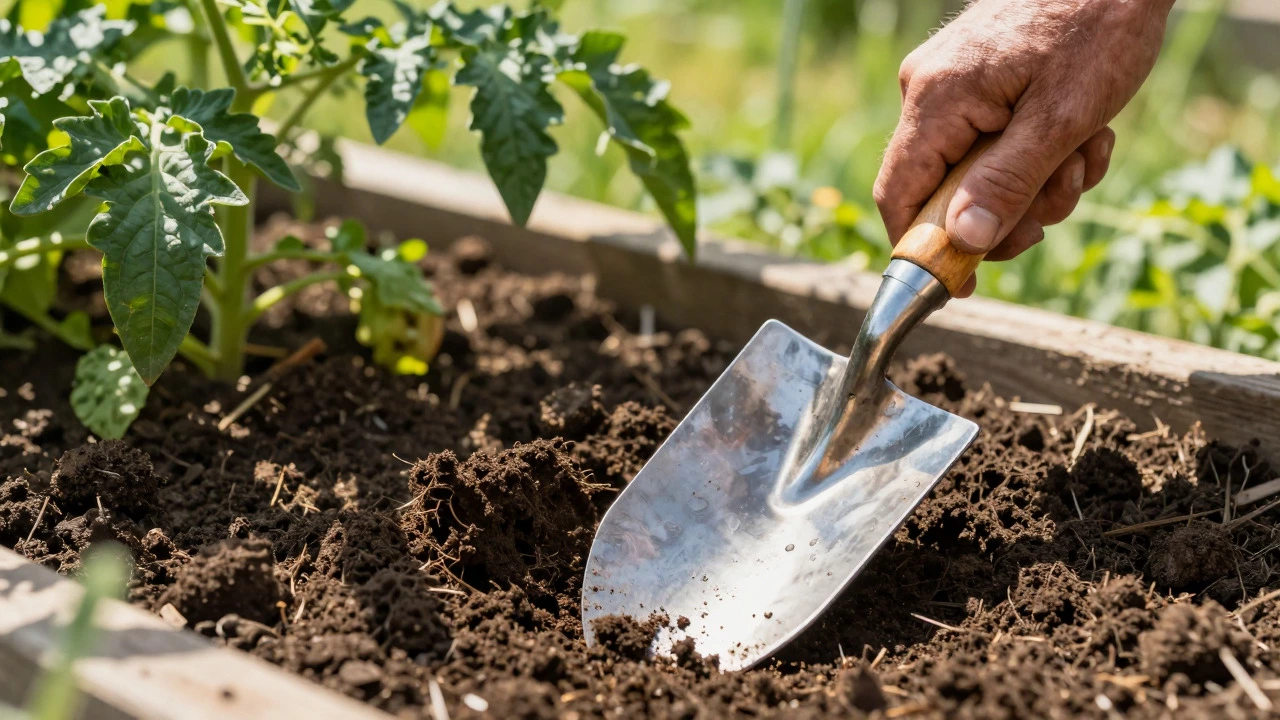
If you buy only one tool, make it this one. A hand trowel is a small handheld digging tool used for planting, transplanting, and weeding. Unlike shovels, which move bulk earth, the trowel gives you precision. You need to feel the resistance of the soil to know if it's too compacted or just right.
Look for forged steel heads. Stamped metal bends when you hit a root or a rock. Forged steel holds its edge and shape. The handle matters too. Wood absorbs shock better than plastic, but high-quality rubber grips offer better control in wet conditions. Here in New Zealand, where rain is frequent, a rust-resistant coating on the head is worth the extra ten dollars.
- Blade Width: Aim for 4-5 inches. Wider blades lift more soil but require more wrist strength.
- Measurement Markings: Many trowels have inch/cm marks on the blade. This helps ensure you plant seeds at the correct depth without guessing.
- Hole Puncher: Some trowels have a hole in the tip. Use this to drain water from the blade after washing, preventing rust spots.
Bypass Pruners: Precision Cutting for Plant Health
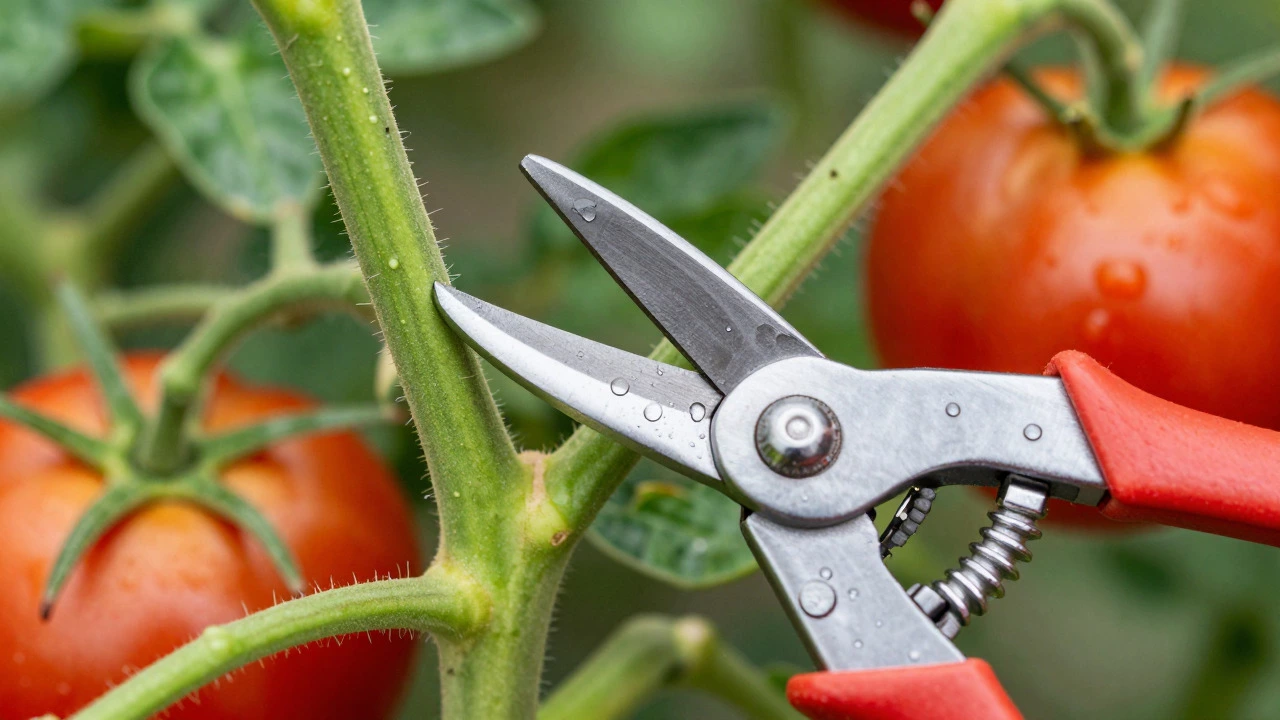
Forget anvil pruners for vegetables. Anvil pruners crush stems, leaving ragged wounds that invite disease. Bypass pruners work like scissors, with two curved blades passing each other for a clean cut. This clean cut heals faster, which is critical for tomato vines, bean poles, and berry canes.
You will use these daily. Snipping dead leaves improves airflow, reducing fungal issues like powdery mildew. Trimming suckers directs energy into fruit production. If your pruners aren't cutting cleanly, they are damaging your plants. Keep them sharp. A quick swipe with a diamond file before each season makes a massive difference.
| Feature | Bypass Pruners | Anvil Pruners |
|---|---|---|
| Cut Type | Clean slice | Crushing pressure |
| Best For | Living green stems, fruits | Dry wood, dead branches |
| Plant Health Impact | Low stress, fast healing | High stress, slow healing |
| Recommendation | Essential for veggies | Skip for now |
The Hori-Hori Knife: The Swiss Army Knife of Gardening
Japanese gardeners swear by the Hori-Hori knife, a double-edged serrated digging knife used for slicing roots, dividing perennials, and measuring soil depth. Once you try it, going back to a standard trowel feels clumsy.
Why is it superior? The serrated edge cuts through thick roots and weeds without pulling. The pointed tip digs narrow holes for transplants. The flat side scoops soil. You can even use it to open bags of compost or cut twine. It’s versatile enough to replace three separate tools. Look for stainless steel with a wooden or ergonomic grip. Keep it sharp; a dull knife slips and causes injuries.
Watering Can vs. Hose Wand: Delivering Water Efficiently
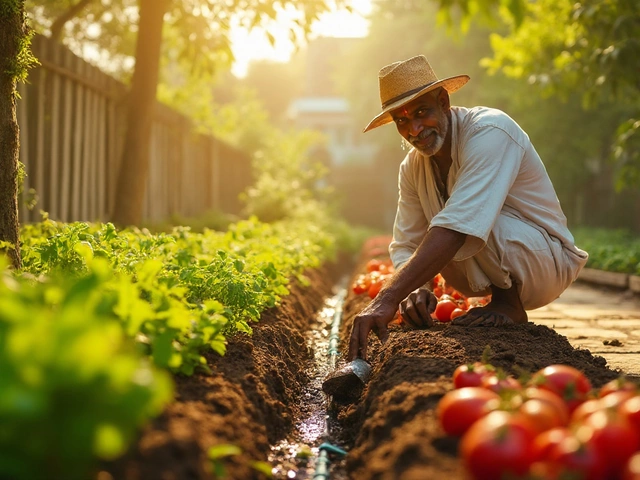
Overhead sprinklers waste water and wet foliage, encouraging blight. Vegetables prefer deep, targeted watering. You need a way to deliver water directly to the root zone. Two options dominate here.
A watering can is a portable container with a spout for manual irrigation. It’s perfect for seedlings and containers. The rose attachment breaks the water flow into a gentle shower, protecting delicate sprouts. However, carrying heavy cans gets old fast.
For larger beds, a hose wand with an adjustable nozzle is better. Set it to "shower" or "mist," not "jet." A jet erodes soil and exposes roots. Position the wand close to the base of the plant. This method saves time and ensures consistent moisture levels, which is key for uniform crop growth.
Gloves: Protection Without Losing Dexterity
You cannot do fine work with bulky gloves. You need to feel the texture of the soil to assess moisture content. Choose thin nitrile-coated gloves. They protect against thorns, splinters, and soil-borne bacteria while maintaining tactile sensitivity. Avoid cotton gloves; they soak up water and take forever to dry, leading to cold hands and potential fungal infections.
In Auckland’s humid climate, breathability matters. Look for gloves with mesh backs. Change them if they get torn. A small tear lets soil and pathogens touch your skin. Wash them regularly with mild soap. Dirty gloves spread diseases between plants.
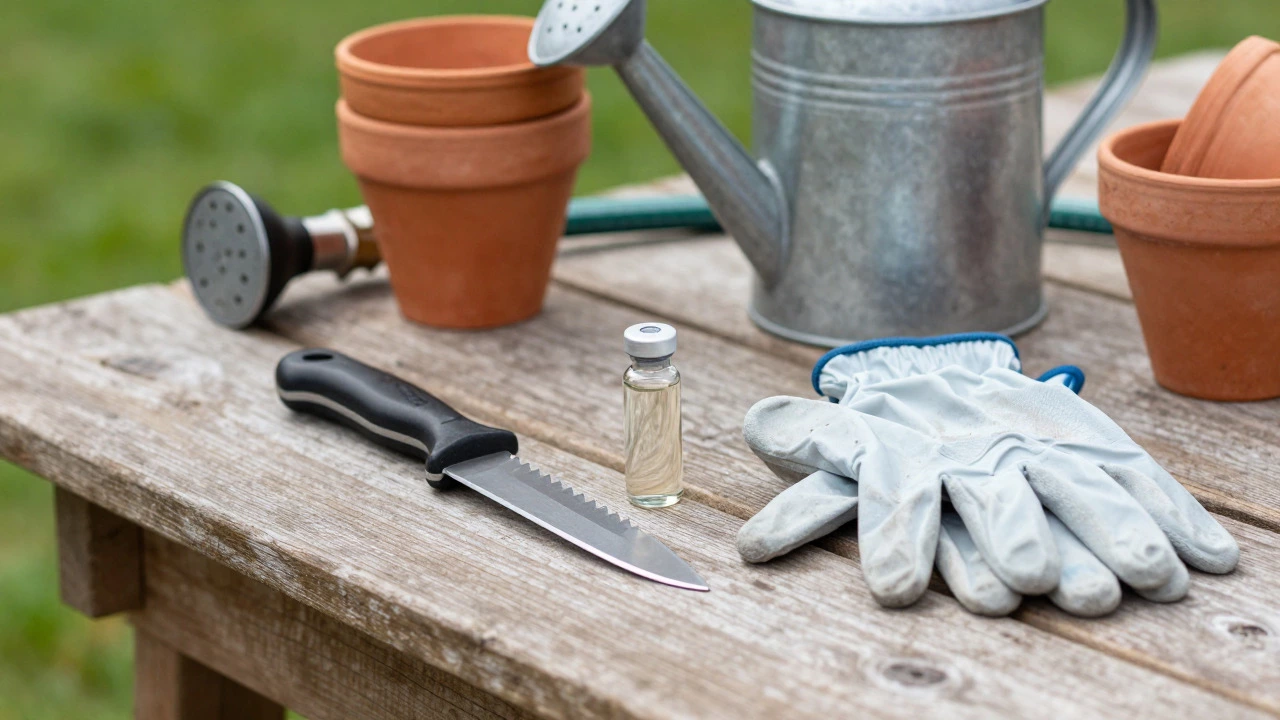
Soil Testing Kit: Stop Guessing, Start Measuring
Tools are useless if your soil is wrong. You might be adding nitrogen when you actually need phosphorus. Or your pH might be too acidic for brassicas. A basic soil test kit measures nutrient levels (N-P-K) and pH balance.
Do this annually. Collect samples from different parts of your garden. Mix them in a bucket. Test the mixture. If the pH is below 6.0, add lime. If above 7.5, add sulfur. Correcting pH unlocks nutrients already present in the soil. It’s cheaper than buying new fertilizer. Digital meters exist, but chemical reagent kits are often more accurate for home use.
Maintenance: Keeping Your Tools Alive
Buying good tools is half the battle. Maintaining them is the other half. Rust kills cheap tools quickly. After every session, wipe down metal parts with an oily rag. Store them indoors, not in a damp shed. Sharpen blades twice a year. Tighten loose screws on handles immediately.
Disinfect pruners between plants using rubbing alcohol. This prevents spreading viruses like Tobacco Mosaic Virus from infected plants to healthy ones. It takes ten seconds and saves your entire tomato crop.
Do I need power tools for vegetable gardening?
Generally, no. Power tillers can damage shallow vegetable roots and compact subsoil. Manual digging preserves soil structure and allows you to spot pests early. Only consider a power tiller if you are converting a large lawn area initially.
How often should I sharpen my garden tools?
Sharpen pruners whenever they start crushing stems rather than cutting them. For trowels and knives, a light honing once or twice a season is sufficient. Always remove rust before sharpening.
Are expensive tools worth the investment?
Yes, for core tools like trowels and pruners. Cheap tools bend, break, and cause fatigue. High-quality tools last decades and make gardening enjoyable rather than painful. Buy once, cry once.
What is the best material for garden tool handles?
Ash or hickory wood offers the best shock absorption. Fiberglass is durable but can splinter. Plastic is lightweight but slippery when wet. Choose based on your comfort and local weather conditions.
Can I use kitchen scissors for harvesting herbs?
You can, but dedicated bypass pruners are better. Kitchen scissors may not stay sharp enough for thicker herb stems and can introduce food residues into the garden. Keep garden tools separate from kitchen tools for hygiene.