Vinegar Pesticide Safety & Dilution Calculator
Determine if vinegar is safe for your specific plant type and calculate the correct dilution ratio to minimize phytotoxicity (plant burn).
There is a persistent myth in the gardening world that white vinegar is a universal cure-all. You have likely seen social media posts claiming that spraying vinegar on aphids or weeds will instantly solve your garden problems without harming the environment. It sounds too good to be true, doesn't it? Well, it mostly is. While vinegar is an excellent household cleaner, its reputation as a safe, effective natural pesticide is largely overstated. In fact, using it incorrectly can do more harm to your prized plants than the pests themselves.
The reality is that vinegar acts primarily as a desiccant and a contact herbicide, not a systemic insecticide. This means it kills what it touches by stripping away the protective waxy layer of leaves, causing them to dry out and die. It does not ingest into the plant system to kill bugs from the inside out, nor does it leave a residual barrier that repels future invaders. Understanding this distinction is crucial before you grab that spray bottle from the pantry.
How Vinegar Actually Works on Pests
To understand why vinegar is often ineffective against insects, we need to look at its chemical properties. Household white vinegar typically contains about 5% acetic acid. When sprayed directly onto soft-bodied insects like aphids, spider mites, or thrips, the acid breaks down their exoskeletons. This causes rapid dehydration, leading to death within minutes if the coverage is complete.
However, "complete coverage" is the catch. Insects are small, mobile, and often hide underneath leaves or deep within flower buds. A light mist of vinegar might irritate them, causing them to move, but it rarely kills them unless they are drenched. Unlike synthetic pesticides or even some organic options like neem oil, which coat the insect and block breathing pores, vinegar requires direct, heavy saturation. If you miss one aphid, it survives, reproduces, and your problem returns within days.
Furthermore, vinegar has no residual effect. Rain or morning dew washes it away immediately. This means you would need to reapply it every single day to maintain any level of control, which quickly becomes impractical for most gardeners.
The Hidden Danger: Plant Phytotoxicity
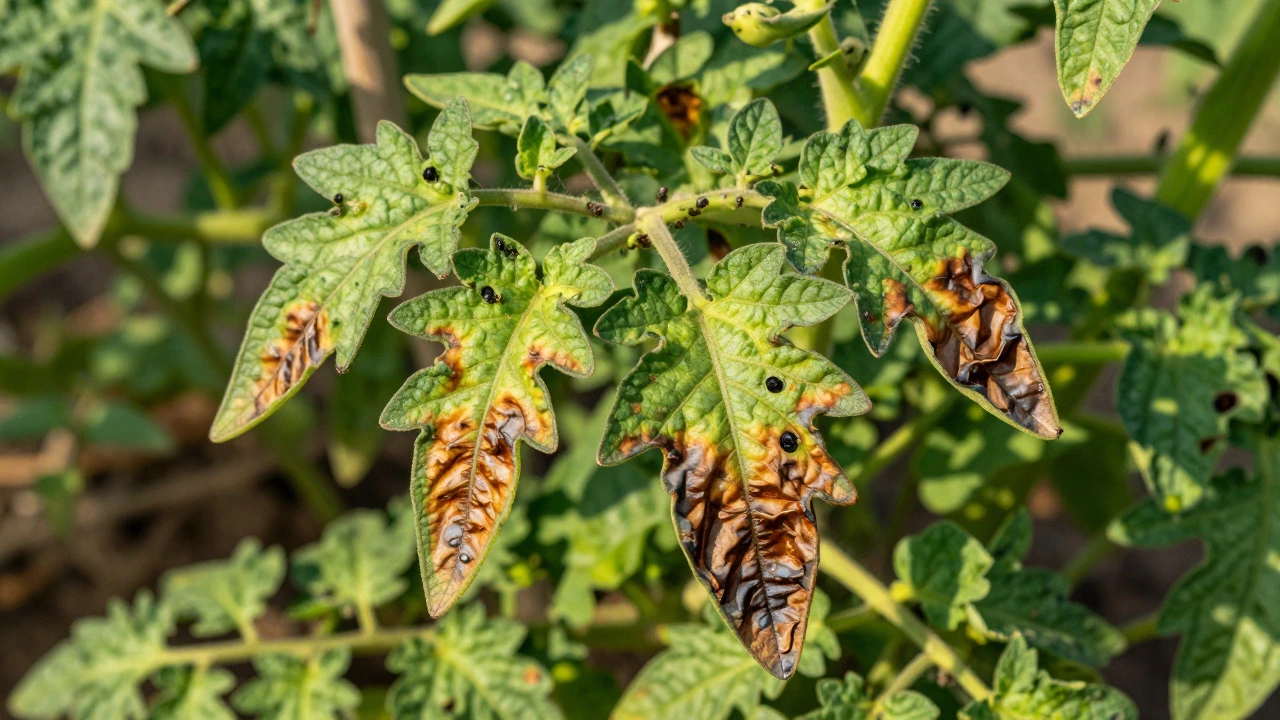
The biggest risk of using vinegar as a pesticide is not that it fails to kill the bug; it is that it kills your plant instead. This phenomenon is known as phytotoxicity. Because acetic acid strips the cuticle (the waxy skin) of plant leaves, it causes cellular damage. On sensitive plants like ferns, hostas, or young seedlings, even a diluted vinegar spray can cause brown, crispy patches that never recover.
In Auckland’s humid subtropical climate, where many lush foliage plants thrive, this risk is amplified. High humidity can sometimes exacerbate the stress caused by chemical burns, leading to secondary fungal infections on damaged leaf tissue. I have seen countless gardeners accidentally defoliate their entire tomato crop because they tried to blast aphids with undiluted white vinegar. The result was a bare stem with no leaves left to photosynthesize, effectively killing the plant regardless of whether the aphids were gone.
If you must use vinegar, the general rule of thumb is to test it on a single leaf first. Wait 48 hours. If the leaf shows signs of burning or discoloration, stop immediately. Do not assume that because it worked on a tough weed, it will work on your delicate rose bush.
Vinegar vs. Weeds: Where It Actually Shines
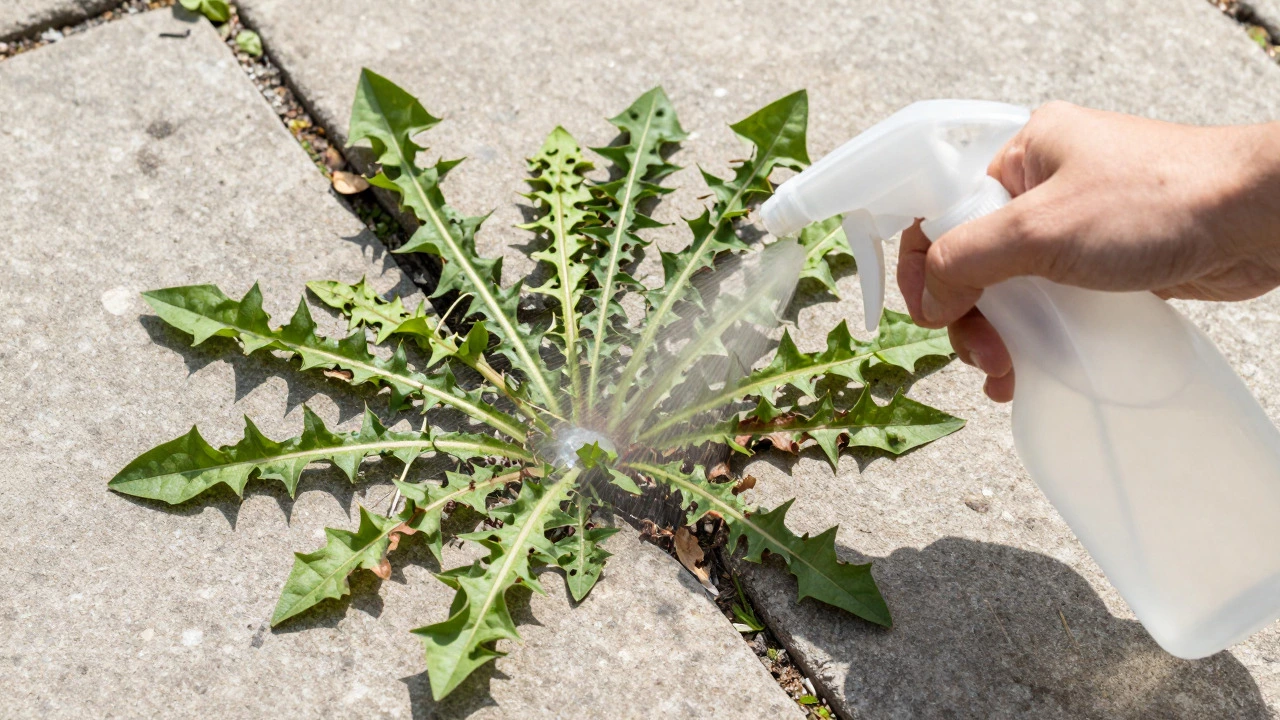
While vinegar is a poor choice for insect pests, it is a formidable weapon against certain types of weeds. This is where the confusion often stems from. For broadleaf weeds like dandelions, clover, or chickweed growing in cracks between paving stones or in gravel paths, vinegar is highly effective. The high acidity destroys the leaf structure, and since these weeds are non-woody and shallow-rooted, they often die back completely.
However, there are significant limitations here too. Vinegar only kills the top growth. It rarely penetrates deep enough to kill the root system of perennial weeds. This means that while the leaves may turn brown and shrivel within hours, new green shoots will likely emerge from the same spot within two weeks. For annual weeds in flower beds, vinegar can work, but it is non-selective. It will kill grass, flowers, and vegetables just as easily as it kills weeds. There is no "safe zone" when spraying vinegar in a mixed garden bed.
For larger, woody weeds like bindweed or blackberry brambles, vinegar is virtually useless. These plants have thick, protective bark and deep taproots that acetic acid cannot penetrate. You would need horticultural vinegar, which contains 20-30% acetic acid, to make a dent. But beware: horticultural vinegar is caustic. It can burn human skin and eyes on contact and requires serious safety gear, including gloves and goggles. It is not something you want to keep in your kitchen cupboard.
Better Alternatives for Natural Pest Control
If you are looking for truly effective organic solutions that won’t destroy your plants, consider these alternatives that address the root cause of infestations:
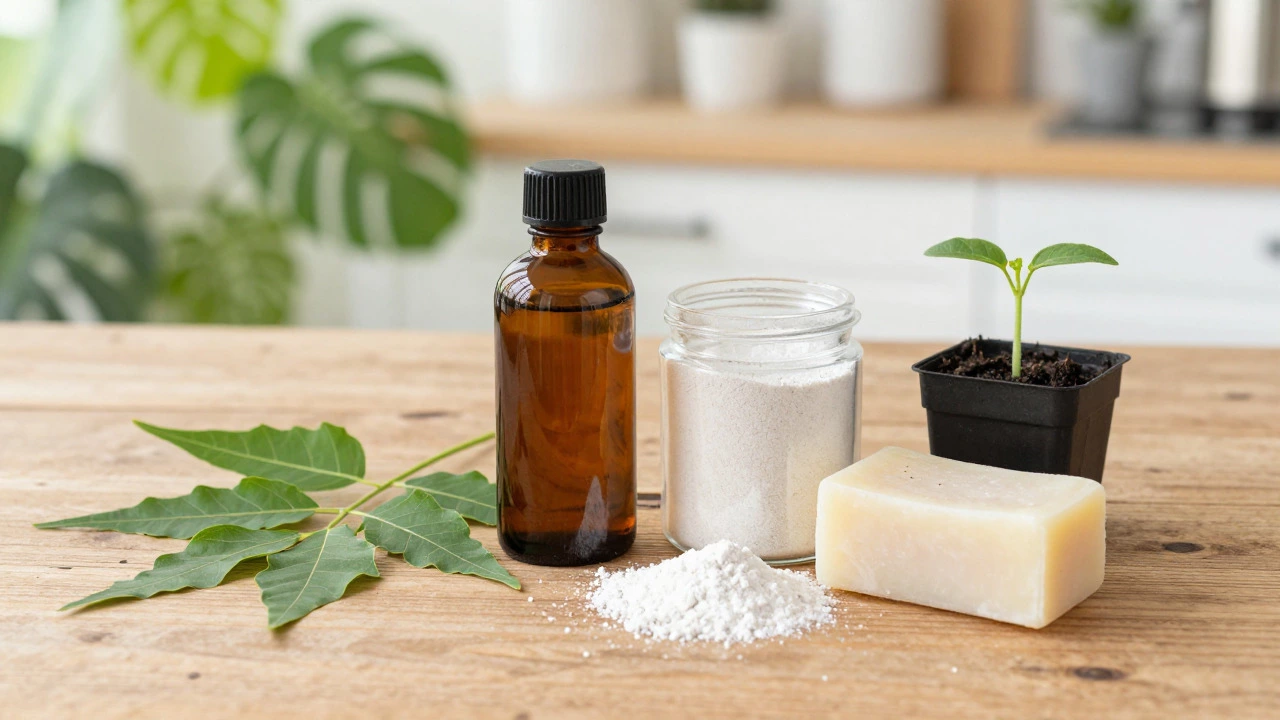
- Neem Oil is a cold-pressed oil derived from the seeds of the neem tree, widely used in organic agriculture. Unlike vinegar, neem oil disrupts the hormonal systems of insects, preventing them from feeding and reproducing. It also has fungicidal properties, helping to prevent powdery mildew. It is safer for plants because it coats rather than burns, though it should still be applied in the evening to avoid leaf scorch in hot sun.
- Insecticidal Soap is a solution made from potassium salts of fatty acids that dissolves the outer shell of soft-bodied insects. It is highly effective against aphids, whiteflies, and mealybugs. Because it works on contact, thorough coverage is key, but it is much gentler on plant tissues than acetic acid. Look for products labeled specifically for gardens, as dish soap can contain degreasers that harm plants.
- Diatomaceous Earth is a fine powder made from fossilized aquatic algae, composed of silica. When insects crawl over it, the sharp microscopic edges cut their exoskeletons, causing dehydration. It is excellent for crawling pests like slugs, snails, and ants. However, it loses effectiveness when wet, so it needs to be reapplied after rain or watering.
- Beneficial Insects are predatory species introduced to gardens to consume pest populations naturally. Ladybugs eat aphids, lacewings devour mites, and parasitic wasps target caterpillars. This is the most sustainable long-term strategy. By planting diverse flowers like yarrow, dill, and fennel, you attract these predators naturally, creating a balanced ecosystem where pests rarely reach damaging levels.
When Might Vinegar Be Useful?
There are very specific scenarios where vinegar makes sense in the garden. First, as a pre-emergent weed killer in non-planted areas. Spraying a mixture of water, vinegar, and a little salt on concrete pathways can help suppress weed germination. Second, as a cleaning agent for garden tools. A dip in vinegar helps sanitize shears and pruners between plants, preventing the spread of bacterial and viral diseases. This is perhaps its most valuable role in the garden: hygiene rather than warfare.
Additionally, some gardeners use a weak vinegar solution (1 part vinegar to 10 parts water) as a foliar feed for acid-loving plants like blueberries or azaleas. While scientific evidence on this is mixed, many growers report improved color and vigor. Just ensure the pH is monitored, as too much acid can lock out essential nutrients like calcium and magnesium.
| Treatment | Primary Target | Effectiveness | Risk to Plants | Residual Action |
|---|---|---|---|---|
| White Vinegar (5%) | Weeds, Soft-bodied insects | Low for insects, Medium for weeds | High (Phytotoxic) | None |
| Neem Oil | Aphids, Mites, Fungi | High | Low (if diluted correctly) | 7-14 days |
| Insecticidal Soap | Aphids, Whiteflies | High (on contact) | Very Low | None |
| Diatomaceous Earth | Slugs, Ants, Beetles | Medium | None | Until wet |
Safety Precautions If You Choose to Use Vinegar
If you decide to experiment with vinegar despite the risks, follow these guidelines to minimize damage:
- Dilute Properly: Never use straight vinegar on plants. Start with a ratio of 1 part vinegar to 10 parts water. Even this dilution can be harsh on sensitive foliage.
- Test First: Spray a single leaf or branch and wait 48 hours. Check for browning, wilting, or yellowing. If any damage occurs, discard the solution.
- Apply in the Evening: Sunlight intensifies the burning effect of acetic acid. Applying in the late afternoon or early evening gives the plant time to recover overnight.
- Protect Yourself: Wear gloves and eye protection. While 5% vinegar is mild, splashes in the eyes are painful, and prolonged skin exposure can cause irritation.
- Avoid Soil Contact: Try to spray only the leaves. Excessive vinegar in the soil can lower the pH drastically, affecting nutrient availability for all plants in the area.
Remember, the goal of organic gardening is balance, not eradication. A few aphids are normal and actually serve as food for beneficial predators. Over-treating with harsh substances like vinegar can disrupt this natural cycle, making your garden more vulnerable to future outbreaks.
Does vinegar kill aphids effectively?
Vinegar can kill aphids on contact by dissolving their exoskeletons, but it is not highly effective. It requires thorough saturation of every insect, which is difficult to achieve. Furthermore, it poses a high risk of burning the plant leaves. Neem oil or insecticidal soap are far safer and more reliable options for aphid control.
Will vinegar kill my garden plants?
Yes, vinegar can easily kill garden plants. Acetic acid strips the protective waxy layer off leaves, causing them to dry out and die (phytotoxicity). Sensitive plants like ferns, hostas, and young seedlings are particularly vulnerable. Always test on a single leaf first and wait 48 hours before treating the whole plant.
Is vinegar better than commercial herbicides?
For small, non-woody weeds in paved areas, vinegar is a good biodegradable alternative to glyphosate. However, it only kills the top growth and rarely the roots, meaning weeds often return. Commercial herbicides are generally more effective at killing perennial weeds and have longer-lasting results, though they may have broader environmental impacts.
What is the best ratio of vinegar to water for pests?
If you must use vinegar, start with a very weak solution of 1 part white vinegar to 10 parts water. Add a teaspoon of mild liquid soap to help the solution stick to the leaves. Apply only in the evening and monitor the plant closely for signs of burning.
Can I use apple cider vinegar as a pesticide?
Apple cider vinegar has a similar acidity level to white vinegar (around 5%) but contains additional sugars and compounds. These sugars can attract more pests, such as ants and fruit flies, to your plants. White distilled vinegar is preferred for gardening uses because it is clear, odorless once dry, and lacks the sticky residues that attract insects.