Balcony Fruit Suitability Checker
Enter your balcony's environmental conditions below to receive personalized recommendations for fruit plants that will thrive in your specific micro-climate.
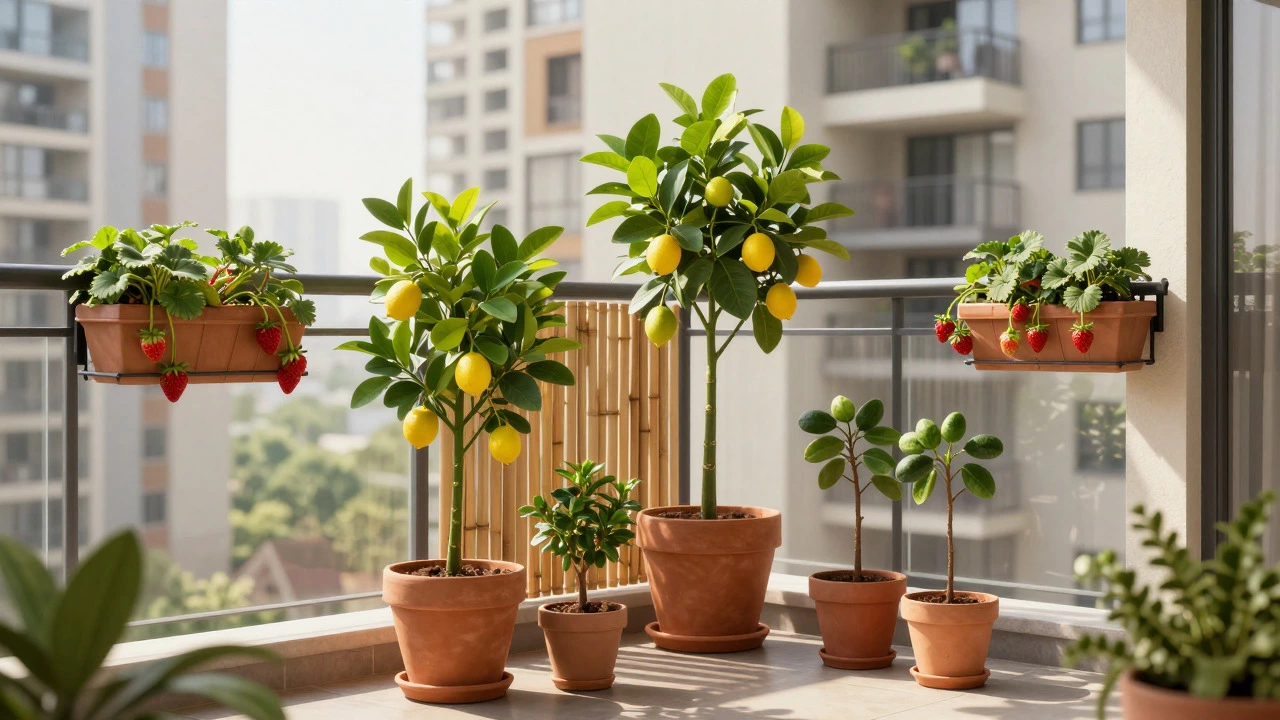
Living in a high-rise apartment or a cozy townhouse doesn't mean you have to give up on the satisfaction of picking your own food. You might be looking at your railing and wondering if there is enough room for anything bigger than a basil plant. The short answer is yes. You can absolutely grow fruit on your balcony, but it requires a shift in mindset from traditional gardening. You are not fighting for square footage; you are managing micro-climates.
I live in Auckland, where our climate is temperate and rainy, which makes balcony gardening tricky due to wind and limited sun hours in winter. However, with the right choices, you can harvest strawberries, figs, and even citrus fruits without needing a backyard. This guide will walk you through how to select the right plants, manage soil and water in containers, and maximize your yield in tight spaces.
The Reality of Balcony Micro-Climates
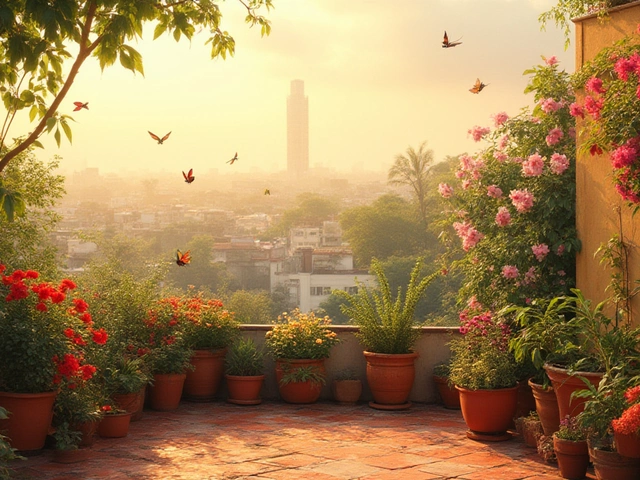
Before you buy a single seed, you need to understand your specific environment. A balcony is not just an outdoor space; it is a unique ecosystem with distinct challenges. Wind speeds are higher here than at ground level, which dries out soil faster and can damage delicate branches. Sun exposure varies wildly depending on whether your balcony faces north, south, east, or west.
If your balcony gets less than four hours of direct sunlight, forget about peaches or apricots. Instead, look toward shade-tolerant berries like gooseberries or currants. If you get six to eight hours of full sun, you have options like dwarf citrus, figs, and strawberries. Wind is another major factor. In coastal cities like Auckland, salt spray and strong gusts can strip leaves from young plants. Using windbreaks made from bamboo screens or dense shrubs can protect your fruit crops.
Choosing the Right Fruit Plants for Containers
Not all fruit plants are created equal when it comes to small spaces. You need varieties that are naturally compact or can be kept small through pruning. The key is to look for "dwarf" or "patio" labeled plants. These are bred specifically for container growth and do not require massive root systems to produce fruit.
- Dwarf Citrus: Varieties like Meyer Lemon or Calamondin Orange thrive in pots. They stay under 1.5 meters tall and provide both fruit and fragrant flowers.
- Figs: Fig trees are incredibly adaptable. A single potted fig can produce dozens of fruits. Look for varieties like 'Brown Turkey' or 'Chicago Hardy' which handle container life well.
- Strawberries: Hanging baskets or vertical towers allow you to grow dozens of strawberry plants in a footprint of less than one square meter.
- Dwarf Apple Trees: Grafted onto dwarfing rootstocks (like M9), apple trees can remain small enough for a large pot while still producing a decent harvest.
- Grapes: While vines seem large, they can be trained vertically against a railing or trellis. Just ensure the structure is sturdy enough to hold the weight of the fruit.
Avoid standard-sized trees. Even if you prune them heavily, their root systems will eventually outgrow your container, leading to stunted growth and poor fruit quality. Stick to plants that are genetically predisposed to staying small.
Selecting Containers and Soil Mix
The container you choose is as important as the plant itself. Plastic pots retain moisture better but can heat up in summer. Terracotta pots breathe well, preventing root rot, but dry out quickly. For fruit trees, you generally want a pot that is at least 40-50 liters in volume. Smaller pots lead to root-bound plants that struggle to support heavy fruit loads.
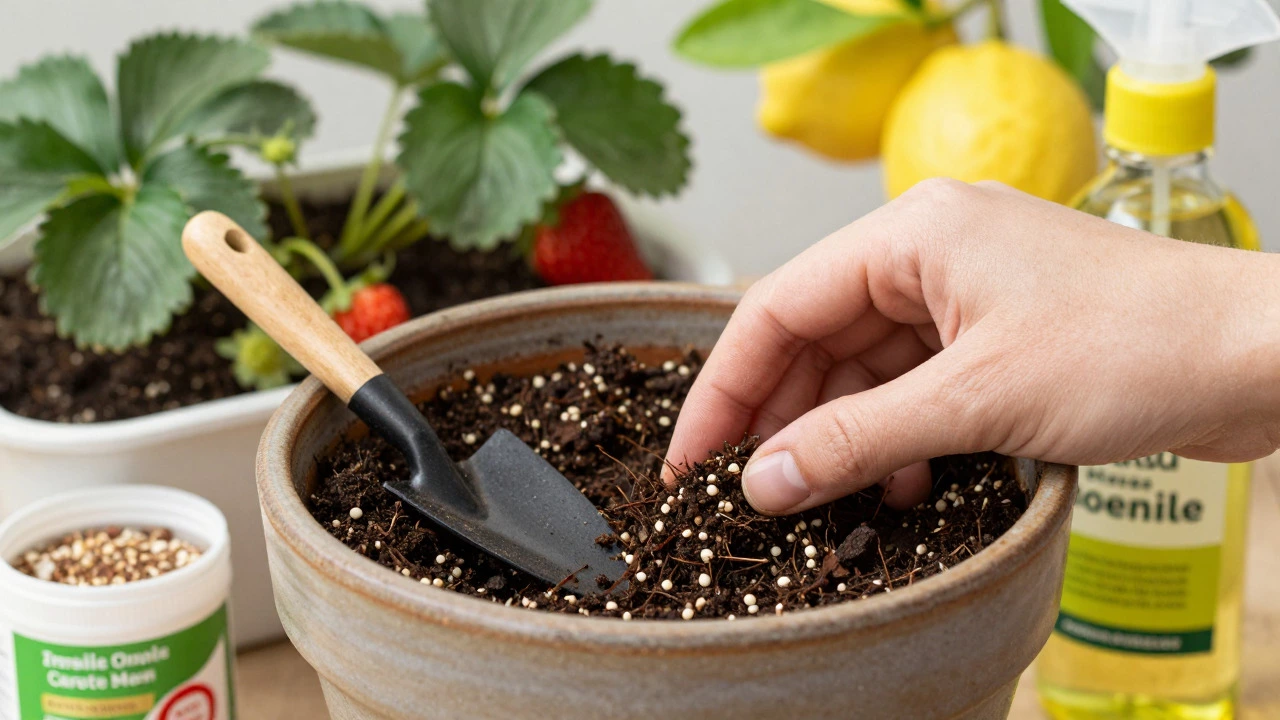
Soil is another critical component. Do not use garden soil from your yard. It compacts too much in containers and lacks drainage. Instead, use a high-quality potting mix designed for containers. Add perlite or coarse sand to improve drainage, especially for citrus and figs which hate sitting in wet soil. Organic matter like compost helps retain nutrients, which leach out quickly in pots during rain.
| Fruit Type | Minimum Pot Volume | Material Recommendation |
|---|---|---|
| Dwarf Citrus | 30-40 Liters | Terracotta or Glazed Ceramic |
| Fig Tree | 40-60 Liters | Plastic or Wood (for insulation) |
| Strawberries | 5-10 Liters per plant | Hanging Baskets or Vertical Towers |
| Dwarf Apple | 50+ Liters | Heavy-duty Plastic or Fiberstone |
| Gooseberries/Currants | 20-30 Liters | Any breathable material |
Watering and Feeding Strategies
Container gardening demands more attention to watering than ground planting. Rain often misses pots entirely, especially if they are tucked behind railings. You must check soil moisture regularly by sticking your finger into the top inch of soil. If it feels dry, water deeply until it runs out of the drainage holes.
In hot weather, this might mean daily watering. Mulching the surface of the soil with bark chips or straw helps retain moisture and keeps roots cool. Feeding is equally important because nutrients wash away with every watering session. Use a balanced slow-release fertilizer in spring, followed by liquid feeds every two weeks during the growing season. For fruiting plants, switch to a high-potassium fertilizer once flowers appear to boost fruit development.
Pollination Challenges in Small Spaces
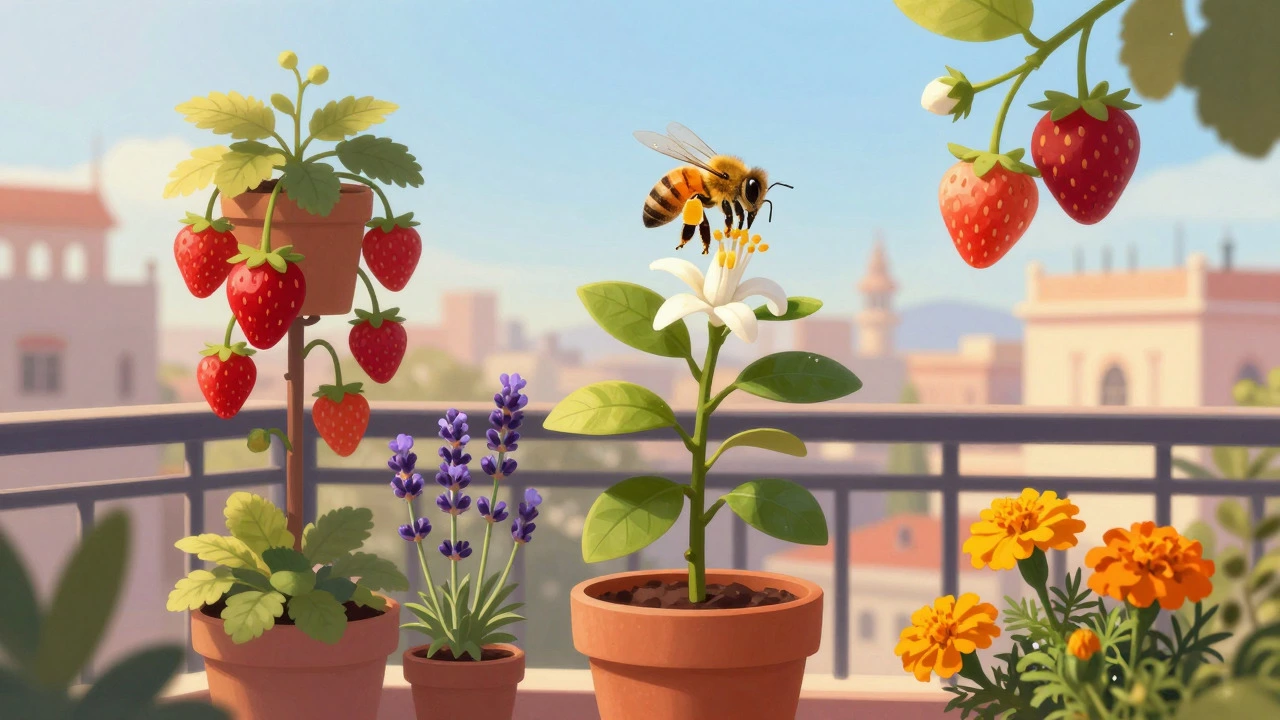
One common misconception is that indoor or balcony plants don't need pollination. Many fruit plants are self-fertile, meaning they can set fruit without a partner plant. Strawberries, figs, and most dwarf citrus varieties fall into this category. However, apples and pears usually require cross-pollination. If you only have one apple tree, you may get very little fruit unless you hand-pollinate using a small brush.
To attract natural pollinators to your balcony, plant companion flowers like marigolds, lavender, or borage alongside your fruit plants. These blooms draw bees and butterflies, increasing your chances of a good harvest. Avoid using chemical pesticides, which kill beneficial insects. Instead, use organic methods like neem oil or insecticidal soap for pest control.
Pruning and Training for Maximum Yield
Pruning is essential for maintaining shape and encouraging fruit production. For dwarf trees, remove any branches that grow inward or cross each other. This improves air circulation and allows sunlight to reach all parts of the plant. For vining fruits like grapes, train the main stem along a wire or trellis and pinch off side shoots to focus energy on fruit-bearing canes.
Regular pruning also prevents your plants from becoming top-heavy and tipping over in windy conditions. Keep an eye on new growth and trim back aggressively if needed. Remember, a smaller, well-managed plant produces sweeter, larger fruit than an overgrown, stressed one.
What is the easiest fruit to grow on a balcony?
Strawberries are widely considered the easiest fruit to grow on a balcony. They require minimal space, thrive in hanging baskets or small pots, and produce fruit quickly after planting. They are also forgiving of minor mistakes in watering and feeding.
Can I grow lemon trees in pots?
Yes, dwarf lemon varieties like Meyer Lemon are perfect for pots. They stay compact, tolerate container life well, and produce fragrant flowers and juicy fruit. Ensure they receive at least 6-8 hours of direct sunlight daily.
How often should I water balcony fruit plants?
Watering frequency depends on weather, pot size, and plant type. Generally, check soil moisture daily. Water when the top inch of soil feels dry. In hot, windy conditions, this may mean watering every day. In cooler, shaded spots, every 2-3 days may suffice.
Do I need multiple fruit trees for pollination?
It depends on the variety. Self-fertile plants like strawberries, figs, and many citrus types do not need partners. Apples and pears usually require cross-pollination, so you may need two different varieties or to hand-pollinate with a brush.
What soil mix is best for container fruit trees?
Use a high-quality potting mix amended with perlite for drainage and compost for nutrients. Avoid heavy garden soil. A mix of 60% potting soil, 20% compost, and 20% perlite works well for most fruit trees.