Garden Tool Matchmaker
Answer three quick questions to find the best garden tool brand for your specific needs.
You’re standing in the aisle of a big-box store, holding two pairs of pruning shears. One costs $15 and feels like plastic wrapped in metal. The other costs $85 and feels like an extension of your hand. Which one do you actually need? And does it really matter if you buy Fiskars or Felco? The answer depends entirely on what you’re growing, how often you’re out there, and whether you plan to use these tools until they break-or just until next spring.
There is no single "best" brand that wins across every category. A shovel that’s perfect for clay soil might be terrible for sandy loam. A pruner great for thin twigs will jam instantly on thick branches. This guide cuts through the marketing noise to help you match specific brands to specific jobs, ensuring you don’t waste money on over-engineered gear or cheap junk that rusts before the season ends.
Understanding What Makes a Garden Tool Brand "Good"
Before we name names, let’s talk about what you’re actually paying for. When you look at a high-end tool, you aren’t just buying steel; you’re buying metallurgy, ergonomics, and serviceability. Cheap tools use soft carbon steel that dulls quickly and bends under pressure. High-end brands use hardened stainless steel or high-carbon steel with specific heat treatments that hold an edge longer.
Ergonomics is the second invisible factor. If a handle gives you blisters after ten minutes, it’s a bad tool regardless of how sharp the blade is. Look for grips that fit your hand size and weight distribution that reduces wrist strain. Finally, consider repairability. Can you replace the spring on your pruners? Can you re-sharpen the blade without ruining the temper? Brands like Bahco and Spear & Jackson have survived decades because they sell replacement parts. Cheap brands are disposable.
The Heavy Hitters: Premium European Brands
If you want tools that last a lifetime and you’re willing to pay upfront, look to Europe. These brands have been refining their designs since the industrial revolution.
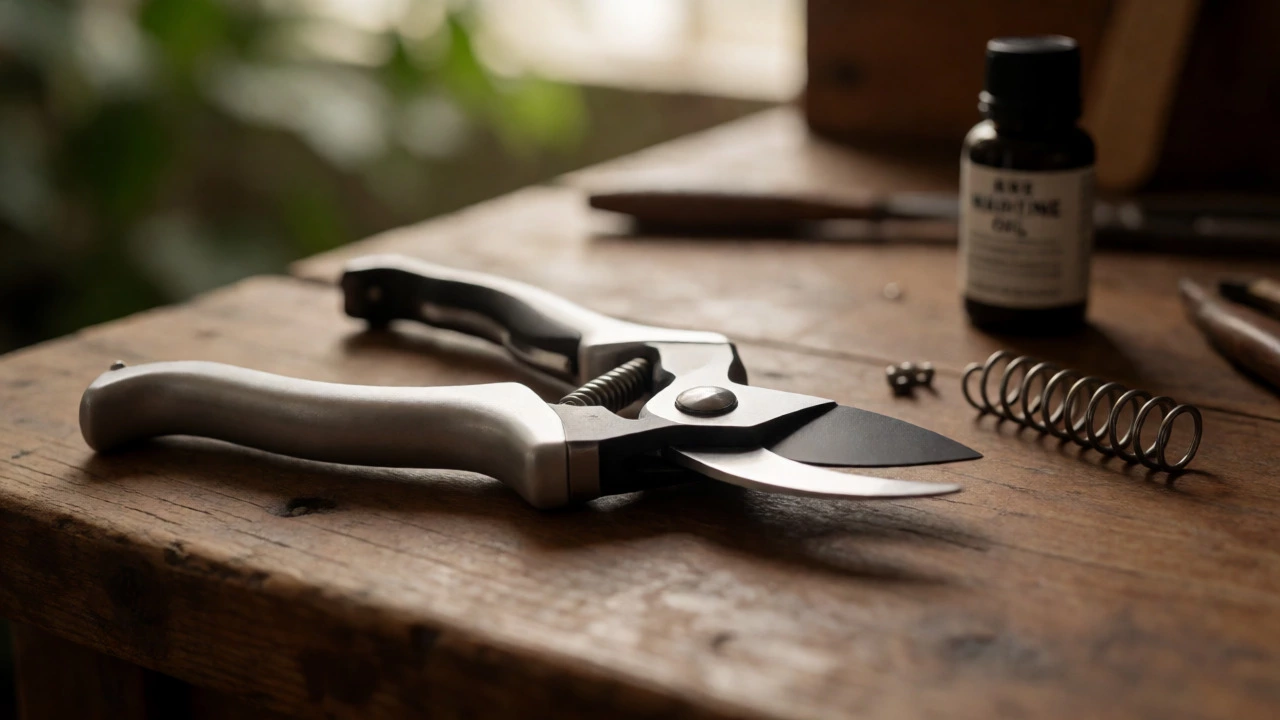
Felco, based in Switzerland, is arguably the gold standard for pruning shears. Their Swiss-made models, like the F-2, are legendary among professional arborists. They feature forged aluminum handles that are light yet incredibly strong, and blades made from special hardened steel. The key advantage here is modularity. Every part-spring, nut, bolt, blade-is replaceable. You can keep the same pair of shears for twenty years by swapping out worn components. However, they are expensive (often $70-$90) and not ideal for cutting very thick branches due to their bypass mechanism design.
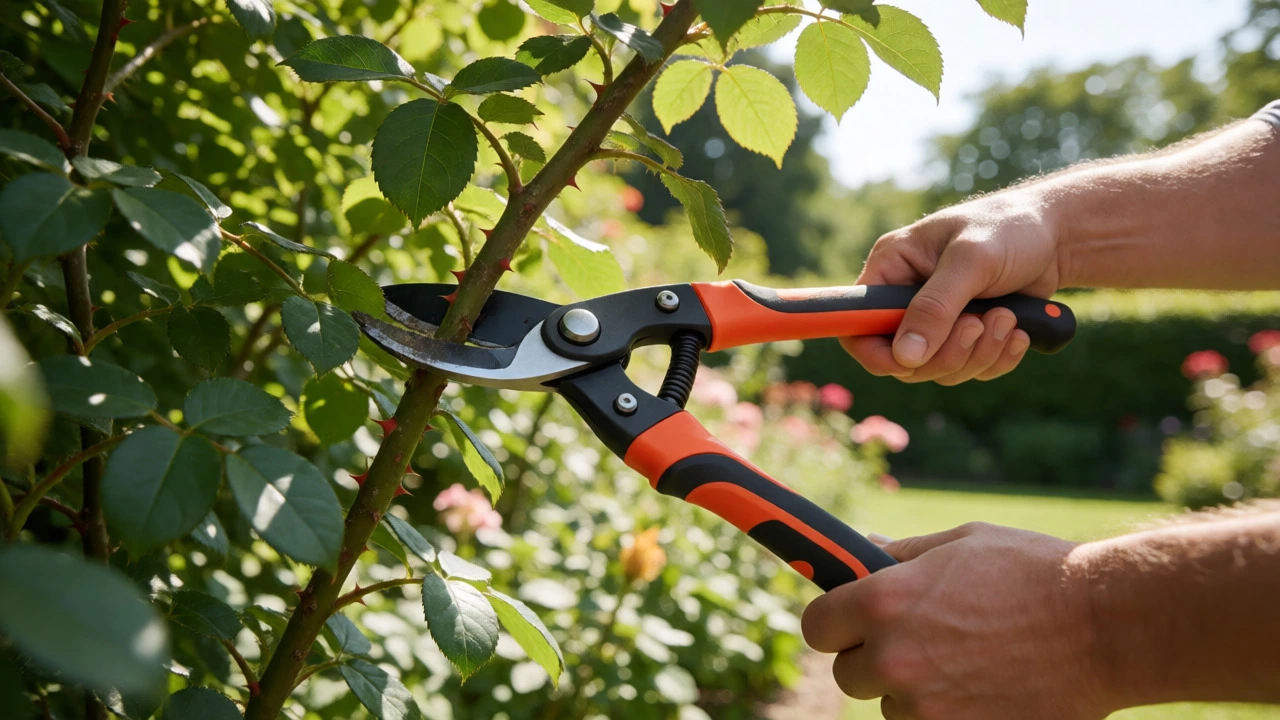
Fiskars, originally Finnish but now global, offers a different value proposition. They revolutionized the market with their orange-handled scissors and extended into garden tools using lightweight composite materials and sharp, coated blades. Their PowerGear Loppers use a pulley system that multiplies your force, making them excellent for people with less upper body strength. While they don’t offer the same level of modular repairability as Felco, their build quality is significantly higher than generic store brands, and they are widely available at reasonable prices ($30-$60).
| Brand | Origin | Best For | Price Range | Repairability |
|---|---|---|---|---|
| Felco | Switzerland | Precision pruning, roses, vines | $70 - $90 | Excellent (All parts replaceable) |
| Fiskars | Finland/Global | Loppers, general cutting, ergonomic needs | $20 - $60 | Moderate (Some parts, mostly whole unit) |
| Bahco | Sweden | Heavy-duty saws, axes, hedges | $40 - $100 | High (Professional grade) |
| Spear & Jackson | UK | Shovels, spades, digging tools | $30 - $80 | High (Traditional forging) |
American Classics: Durability and Simplicity
Not everyone wants delicate Swiss engineering. Sometimes you need a tool that can take a beating. American brands often focus on rugged simplicity and heavy-duty performance.
Ames True Temper is the go-to for long-handled tools like shovels and rakes. Their fiberglass handles are virtually unbreakable compared to wood, which splinters and rots. While their stamped steel heads aren’t forged like traditional English spades, they are consistent, balanced, and affordable. If you’re moving mulch, turning compost, or breaking new ground, Ames is hard to beat for the price point ($15-$30). It’s not a heirloom piece, but it won’t fail you mid-task.
Corona sits comfortably between premium and budget. They make excellent loppers and pruners that rival Fiskars in ergonomics but often come with better warranty support in North America. Their ComfortGel grip technology is genuinely effective at reducing vibration, which matters if you’re deadheading hundreds of flowers in a day. Corona also makes reliable grass shears and edgers that stay sharp longer than gas station alternatives.
Budget-Friendly That Won’t Disappoint
Do you need to spend $80 on shears if you only prune once a year? Probably not. But you also shouldn’t buy the $8 pack of rusty-looking shears from the discount bin. There is a sweet spot where price meets durability.
Gardena, owned by Husqvarna Group, offers solid mid-range tools. Their telescoping poles and watering accessories are particularly well-designed. While their cutting tools aren’t quite at the Felco level, they are far superior to generic hardware store brands. Gardena’s modular system allows you to attach different heads to a single pole, saving storage space and cost if you need multiple reach tools.
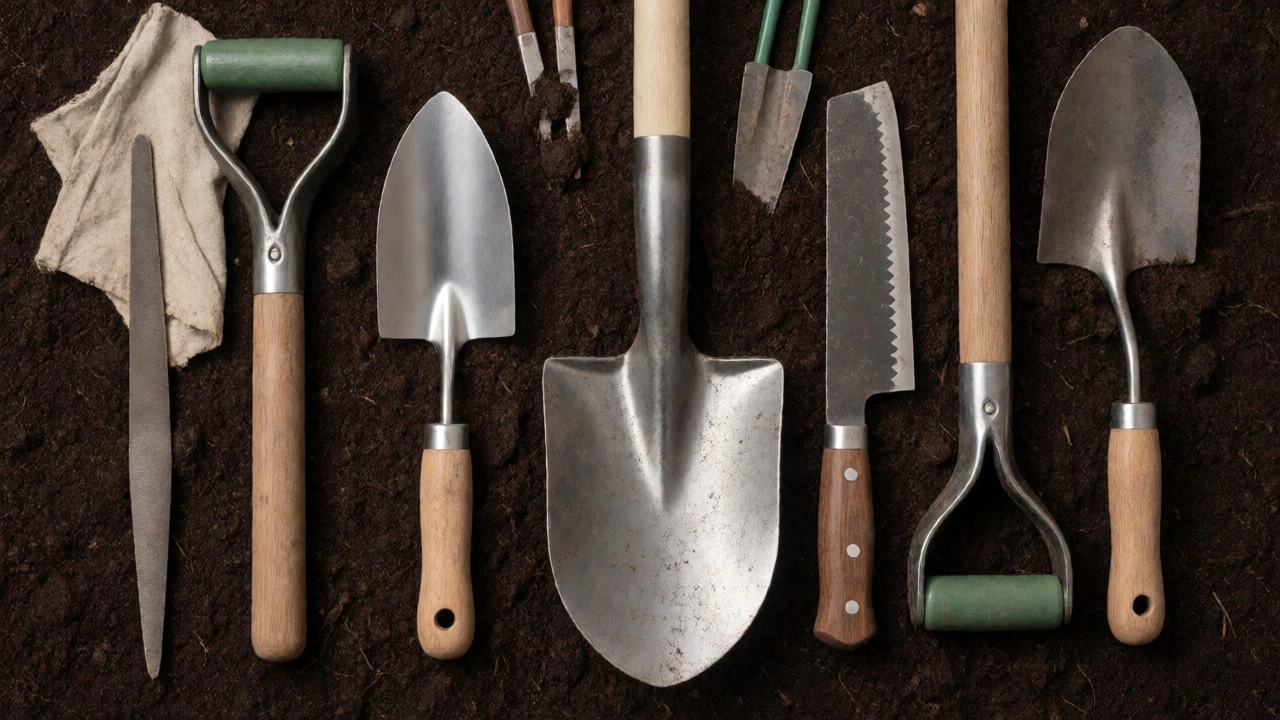
For small hand tools like trowels and cultivators, look for brands that use stainless steel rather than painted carbon steel. Paint chips off, leading to rust. Stainless steel resists corrosion even if left out in the rain occasionally. Brands like DeWit specialize in weed pullers and hand tools made from thick, powder-coated steel. They are simple, robust, and designed for specific tasks like removing dandelions without bending down repeatedly.
How to Choose Based on Your Gardening Style
Your choice of brand should mirror your actual usage patterns. Here is a quick decision framework:
- The Casual Weekend Gardener: You garden 2-3 hours a week. You don’t want to think about maintenance. Go with Fiskars or Corona. They are ready to use out of the box, require minimal sharpening, and won’t break the bank. Focus on ergonomic handles to prevent fatigue.
- The Serious Hobbyist: You spend 5+ hours a week outdoors. You care about clean cuts to prevent disease. Invest in Felco pruners and Spear & Jackson spades. Learn to oil and sharpen them. These tools become extensions of your hands.
- The Landscape Worker: You are on your feet all day. Durability is paramount. Choose Ames True Temper for bulk work and Bahco for precision cutting. You need tools that survive being thrown in a truck bed daily.
- The Small Space Balcony Grower: Storage is limited. Look at Gardena’s compact systems or Leatherman-style multi-tools adapted for gardening. Avoid bulky long-handled tools unless necessary.
Care Tips to Make Any Brand Last Longer
Even the best brand fails if neglected. Here are three non-negotiable habits:
- Clean after every use. Sap is acidic and sticky. Wipe blades with a rag soaked in rubbing alcohol or soapy water. This prevents rust and stops the spread of plant diseases.
- Oil the metal. Once a month, wipe blades with a light machine oil (like 3-in-1 oil). This creates a barrier against moisture.
- Sharpen regularly. Don’t wait until the tool is useless. Use a diamond file or whetstone to touch up edges every few weeks. A sharp tool requires less force, which means less strain on your body and cleaner cuts for plants.
Remember, the "best" brand is the one you’ll actually maintain. A cheap tool that stays sharp is better than an expensive one that gets locked away because it’s too hard to clean.
Is Fiskars better than Felco?
They serve different purposes. Felco is better for precision pruning of woody stems and roses due to its superior blade geometry and replaceable parts. Fiskars is better for general cutting, loppers, and users who prefer lighter weight and lower maintenance. If you prune heavily, Felco is worth the investment. For casual use, Fiskars offers better value.
Why are garden tools so expensive?
High-quality tools use specialized steels (like SK5 or high-carbon stainless) that hold an edge longer and resist bending. They also feature ergonomic designs tested for human biomechanics and often include replaceable parts, extending the product's life by decades. You are paying for longevity and reduced physical effort.
What is the most versatile garden tool?
The hori-hori knife (soil knife) is widely considered the most versatile hand tool. Made by brands like Niwaki or Bahco, it can dig, cut roots, divide perennials, measure planting depth, and scoop soil. Its serrated edge cuts through tough roots while the flat side scoops dirt.
Do I need to sharpen my tools?
Yes. Dull tools crush plant cells instead of slicing them, which invites disease and pests. Sharpening takes five minutes with a diamond stone and keeps your tools safe to use. Even "self-sharpening" designs eventually lose their edge.
Which brand is best for clay soil?
For heavy clay soil, look for forged steel spades with pointed tips rather than rounded ones. Spear & Jackson and Burgon & Ball make excellent forged spades that penetrate dense earth without bending. Avoid thin stamped steel, which flexes too much in clay.