Rice Farming Feasibility Calculator
Overall Difficulty
Water Required
Land Needed
Potential Challenges:
Configure your farm parameters above to see how demanding it will be to grow rice successfully.
We often think of rice as the simplest food on the plate, but it is one of the most demanding crops to produce. It feeds half the global population, yet the journey from seed to grain is fraught with complexity. You might wonder why we struggle to grow it locally when supermarkets are full. The answer lies in the specific biological needs of the plant itself. Unlike wheat or corn, Rice is a semi-aquatic grass that requires very particular environmental conditions to thrive properly. If you try to treat it like a normal garden vegetable, it will almost certainly fail. Here is exactly why this staple grain is so hard to master.
The Massive Demand for Water
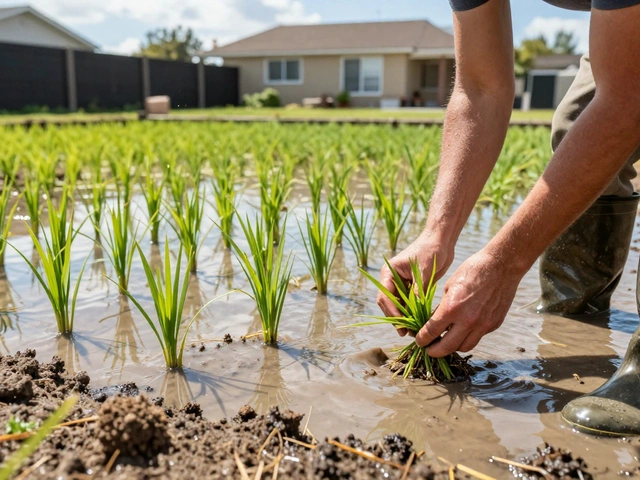
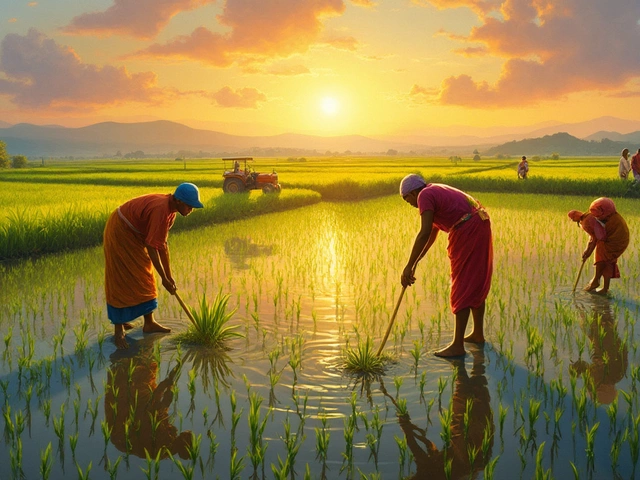
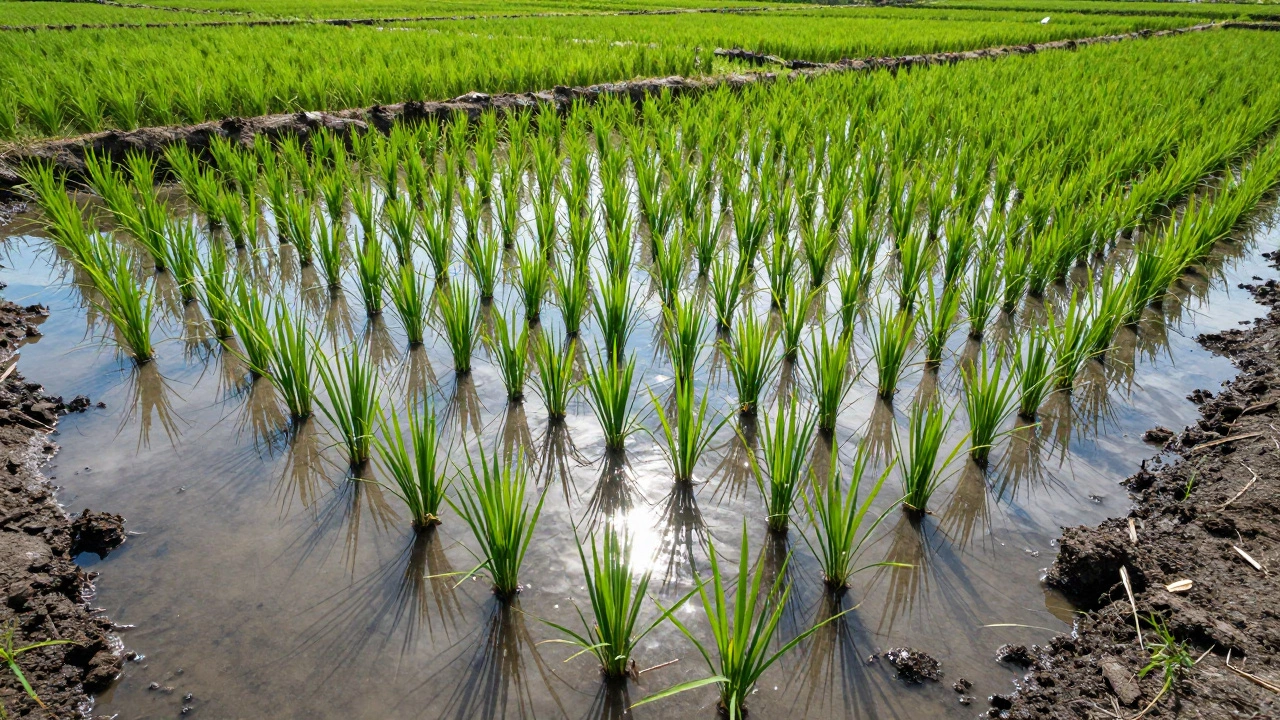
When you hear about rice farming, you immediately picture flooded fields. This isn't just a stylistic choice; it is a biological necessity for traditional varieties. Most cultivated rice needs to be submerged during critical parts of its growth cycle. This creates a unique set of logistical problems. First, you need a constant supply of clean water. Many regions simply do not have enough rainfall or surface water reserves to sustain this level of irrigation year-round.
Managing that water is just as tricky as finding it. Farmers use Flood Irrigation systems where they control the depth of water precisely. Too much water can drown the roots by cutting off oxygen too completely, leading to rot. Too little water, and weeds take over instantly, stealing nutrients from your rice stalks. The soil becomes saturated, turning into mud that equipment cannot navigate easily. Heavy machinery gets stuck, making fertilization and spraying nearly impossible without specialized tractors designed for soft terrain.
Beyond the mechanics, there is the issue of soil chemistry. When soil stays underwater, it changes chemically. Anaerobic bacteria start working in the mud. These microbes consume nutrients that plants need and release compounds that can be toxic to roots. While this environment suppresses some weeds, it also encourages diseases that thrive in wet, stagnant conditions. Balancing the oxygen levels for healthy root respiration while keeping the field flooded is a delicate act that requires constant monitoring.
Soil Conditions and Preparation
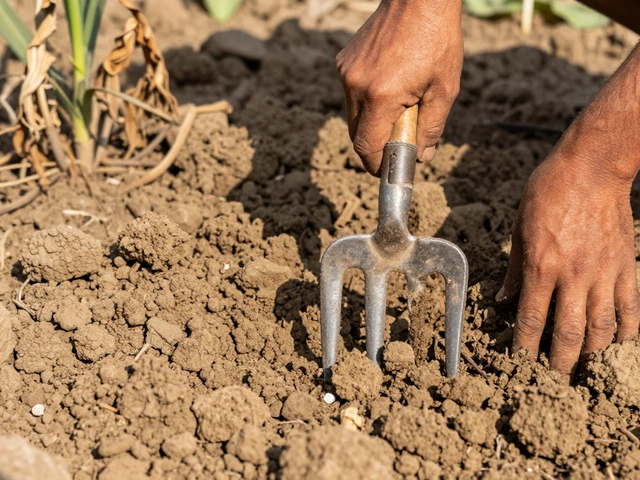
You cannot just throw seeds in dirt and expect a harvest. Rice requires a very specific type of soil texture. Ideally, it grows best in heavy clay loam. This type of soil holds water well and prevents excessive seepage. However, many areas have sandy or silty soil that drains too fast. In those cases, the farmer has to add massive amounts of organic matter or liners to hold water, significantly increasing the setup cost before planting even begins.
| Soil Attribute | General Vegetables | Rice Cultivation Needs |
|---|---|---|
| Texture | Sandy Loam | Heavy Clay |
| Drainage | High (Well-drained) | Low (Waterlogging) |
| pH Level | 6.0 - 7.0 | 5.5 - 7.0 (Acid Tolerant) |
| Aeration | Critical | Limited (Anaerobic) |
Preparing this land involves plowing multiple times until it turns into a fine slurry. This process, known as puddling, breaks down soil clods and reduces percolation. It sounds simple, but doing this across hectares of land requires significant fuel and labor. If the puddling isn't done right, the field will leak water, wasting resources and potentially damaging the standing crop downstream. Furthermore, after several seasons of flood farming, soil structure degrades. Silt builds up, and the physical structure of the earth collapses, making future harvests harder to manage.
Intense Labor Requirements
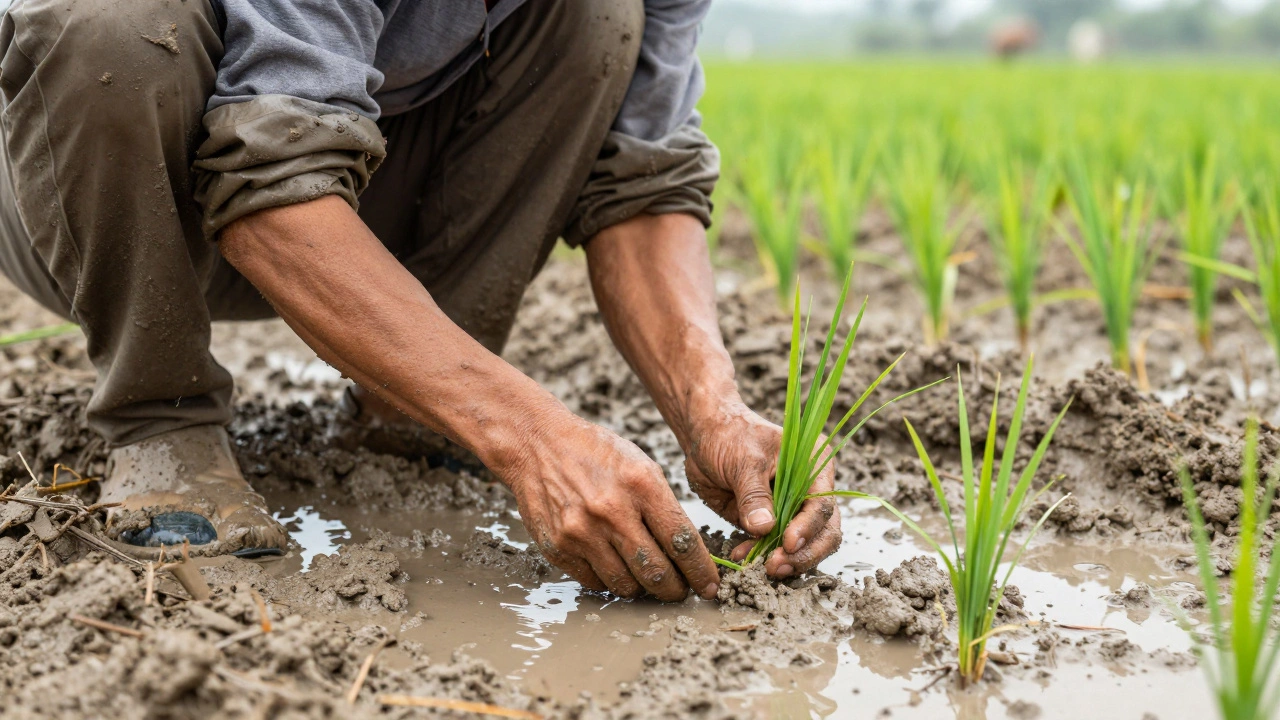
In developed nations, mechanization has solved many farming problems, but rice remains stubbornly manual in many parts of the world. Why? Because the machinery often fails in wet environments. Traditional methods involve planting individual seedlings by hand. Workers squat in the mud all day, spacing every stalk perfectly to maximize growth. Even with modern machines, transplanting can be risky. Seeds planted directly into the water are vulnerable to birds, fish, and pests. They often require multiple replanting sessions because germination rates drop in unstable temperatures.
Weed management adds another layer of work. Weeds love flooded fields just as much as rice does. Without chemical herbicides, you have to pull them out manually. Chemical use is restricted in many regions due to runoff concerns, forcing farmers back to the labor-intensive methods. During peak seasons, finding enough workers to transplant and harvest within the narrow window of time is a major bottleneck. A delay of just two weeks can mean missing the optimal weather window, reducing yield significantly.
Temperature Sensitivity
While rice is tropical, it is not indestructible. It has specific thermal windows where it is extremely sensitive. During the flowering stage, high heat stress can sterilize pollen. If the temperature hits a certain threshold during that short period, the grains won't form. You might get tall stalks with empty husks, resulting in zero harvest. Conversely, unexpected cold snaps or floods can kill the seedlings before they establish strong roots.
This makes timing everything perfectly crucial. Planting too early exposes crops to late frost risks. Planting too late means the crop faces dry season heat at the wrong time. As the climate becomes more unpredictable due to shifts in weather patterns, predicting the ideal sowing date gets increasingly difficult. Farmers who used to rely on historical averages now face higher uncertainty. The margin for error is razor-thin.
Pest and Disease Pressure
Warm, wet environments are essentially breeding grounds for trouble. Insects and fungi multiply rapidly in humid conditions. The brown planthopper is a notorious enemy; these tiny bugs suck sap from the rice plant and can spread lethal viruses. Infestations can wipe out entire fields overnight. Another common issue is bacterial leaf blight. It starts as small yellow spots on leaves but spreads to rot the whole plant. Controlling these requires strict hygiene and often, chemical intervention.
Crop Pests don't just attack the crop; they damage the ecosystem. Predatory insects often die off along with their prey, requiring natural predators to be reintroduced. Birds also pose a risk. Ducks and wild geese flock to flooded paddies to feed on seeds and insects, eating the young rice shoots as quickly as they appear. Fencing them out adds to the infrastructure costs. The battle against these biological threats never truly ends during the growing season.
Harvesting Challenges
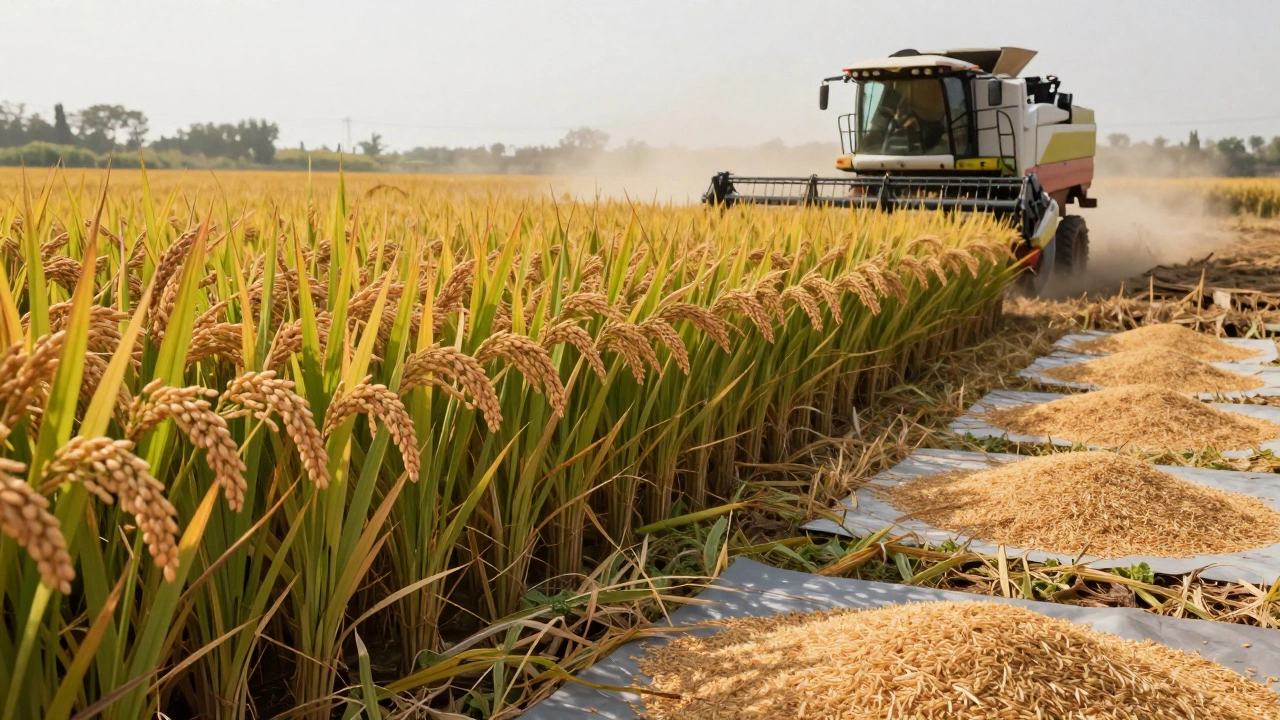
Getting the crop off the field is arguably the hardest part. Rice needs to reach a specific moisture content before drying and storing. If harvested too wet, the grain spoils in storage due to mold growth. Too dry, and the grain shatters under mechanical threshing. Mechanized harvesters in rice paddies are heavy and complex. They risk getting bogged down in the soft soil unless the fields are drained perfectly days before harvest.
Drying the grain is equally challenging. Sun-drying is the cheapest method but depends entirely on clear skies. Rain during the post-harvest period can ruin the quality of the stored grain. Mechanical dryers cost money and consume energy. Small-scale farmers often lack access to these technologies, leading to significant post-harvest losses. Even in industrial settings, managing the moisture gradient through thick piles of grain requires expertise to prevent 'hot spots' that encourage fungal infection.
Economic Viability
All these technical hurdles pile up to make rice expensive to grow. Water pumps, fertilizer, pesticides, and fuel for tractors represent a huge upfront investment before the first coin is earned. Market prices for rice fluctuate wildly based on global supply chains. If a neighbor buys cheaper imports, your local crop might not cover the cost of production. Smallholder farmers often operate on razor-thin margins. One bad season caused by heavy rain or pests can bankrupt a farm.
This economic fragility discourages many from trying to grow it. Unlike tomatoes or carrots, which can be sold fresh locally for quick cash flow, rice is often a long-term investment. You put in months of work and capital, wait for harvest, then process and sell. The cash flow gap is wide. Governments often subsidize rice, which distorts the market. If you stop relying on subsidies, the true difficulty of producing it financially becomes obvious.
Can I grow rice in a normal garden bed?
Generally, no. Rice needs continuous submersion in water for much of its growth cycle. A normal garden bed drains too quickly. You would need to build a lined pond or container that holds water constantly, effectively creating a mini paddy field.
How much water does one kilogram of rice need?
Producing one kilogram of milled rice typically consumes between 2,500 to 3,000 liters of water. This massive requirement is why rice farming places such a heavy burden on local water resources.
What is the biggest threat to a rice crop?
Water stress is usually the primary cause of failure. Whether it is too much water causing drowning or too little water causing stunting, precise irrigation management is critical. However, pest outbreaks like the brown planthopper can also devastate yields quickly.
Is dryland rice cultivation easier than wet rice?
It varies. Dryland rice saves water resources but competes aggressively with weeds since you cannot flood the field to smother them. It requires excellent soil preparation and frequent rainfall or irrigation during dry spells.
Why do rice fields smell bad?
Flooded fields become anaerobic, meaning they lack oxygen. Bacteria break down organic matter in this environment and release gases like hydrogen sulfide and methane, which produce that distinct rotten egg smell common near paddies.