Indoor Plant Misting Checker
Select a plant from the list below to see if it prefers high humidity (misting) or dry leaves.
Succulents & Cacti
Echeveria, Jade, AloeFoliage Plants
Pothos, ZZ, PhilodendronOrchids
Phalaenopsis, Moth OrchidFerns & Calatheas
Boston Fern, Prayer PlantAir Plants
TillandsiaThin-Leaved Tropicals
Staghorn Fern, BromeliadsYou’ve probably heard the advice a thousand times: "Mist your houseplants!" It’s supposed to mimic their tropical rainforest homes, boost humidity, and make them happy. But if you’re standing there with a spray bottle, wondering why your Succulents are getting brown spots or your Snake Plant is looking sad despite the daily spritz, you’re not alone. Here’s the hard truth: for many popular indoor plants, misting isn’t just unnecessary-it’s actively harmful.
The problem stems from a misunderstanding of where these plants come from. While some thrive in high moisture, others evolved in arid deserts or on rocky cliffs where water touches their leaves only during rare storms, and then evaporates instantly. If you keep those leaves wet for hours, you invite fungal infections, rot, and pest infestations. So, before you reach for that mister, let’s figure out which plants actually want to stay dry.
Why Misting Can Be Bad for Some Plants
To understand why misting hurts certain species, you have to look at how they handle water. Most tropical plants absorb moisture through their roots, not their leaves. When you mist a plant that doesn’t need it, you create a microclimate of stagnant dampness on the leaf surface. This is a playground for fungi like Botrytis (gray mold) and bacteria that cause soft rot.
Think about it this way: if you wore a wet shirt all day, every day, your skin would get irritated and prone to infection. Plants feel the same way. In a typical home environment, especially one with low air circulation, water droplets sit on leaves for hours. For plants adapted to dry conditions, this prolonged exposure disrupts their natural defense mechanisms. Their stomata (tiny pores on leaves) can become clogged or damaged, hindering gas exchange. Instead of helping, you’re stressing the plant.
The Big No-Mist List: Succulents and Cacti
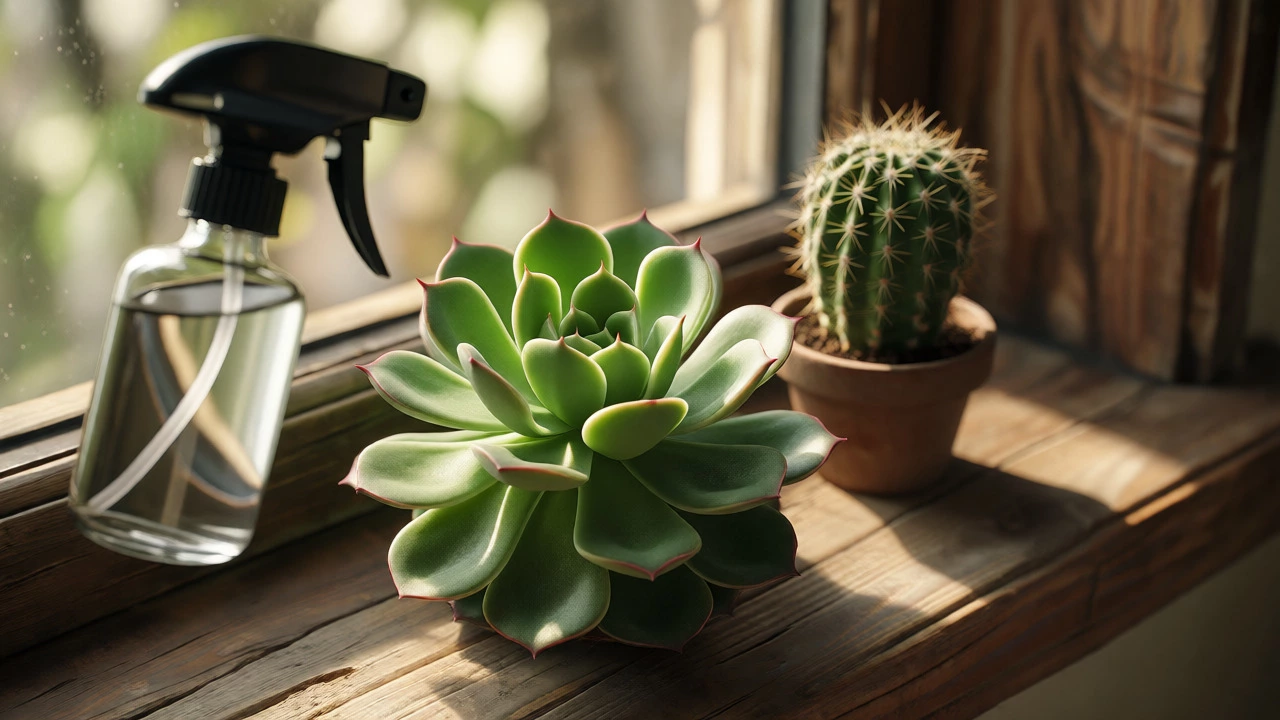
If you own any member of the Cactaceae family, put down the spray bottle immediately. These plants are champions of water conservation. They store water in their thick, fleshy tissues specifically because they live in environments where rain is scarce. Adding external moisture to their already hydrated bodies is redundant and dangerous.
This group includes:
- Succulents: Echeveria, Jade Plants, Sedum, and Aloe Vera.
- Cacti: All varieties, from small Ball Cacti to large Saguaro relatives.
- Haworthias: The zebra plant and other striped varieties.
When you mist these, water gets trapped in the rosettes or between spines. Because they don’t transpire quickly, that water sits there, encouraging root rot from the top down. You might see black mushy patches appearing on the base of the leaves. That’s not thirst; that’s drowning.
Aroids and Other Foliage Plants That Prefer Dry Leaves
Many people assume all green, leafy houseplants love humidity. Not true. Several popular foliage plants have waxy or leathery leaves designed to shed water, not absorb it. Misting them is mostly aesthetic-it makes them look shiny for an hour-but offers little physiological benefit and risks spotting.
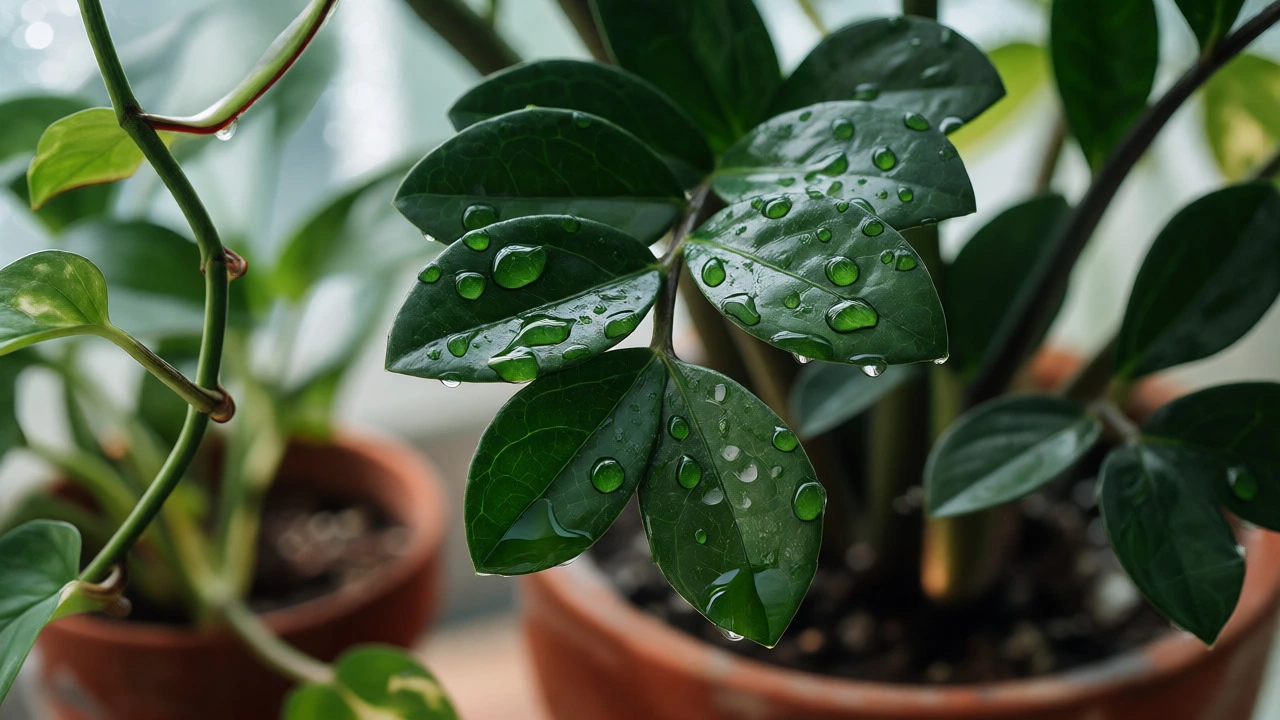
Consider the ZZ Plant (Zamioculcas zamiifolia). Native to Eastern Africa, it grows in drought-prone areas. Its rhizomes store water, allowing it to survive long dry spells. Misting its glossy leaves does nothing for its hydration levels but can leave unsightly mineral deposits if you use tap water.
Similarly, the Pothos and Philodendron generally prefer consistent soil moisture over humid air. While they tolerate misting better than succulents, they don’t require it. In fact, if you live in a cooler climate like Auckland in winter, misting these plants can lower their temperature too much, slowing growth and inviting cold-induced stress.
Orchids: The Exception That Proves the Rule
Orchids are tricky. Many hobbyists mistake their epiphytic nature (growing on trees) for a need for constant leaf wetness. However, most common house orchids, like Phalaenopsis (Moth Orchids), hate having water sit in their crown-the center point where new leaves emerge. If water accumulates there, it causes crown rot, which is often fatal.
While Phalaenopsis enjoy higher ambient humidity (50-70%), they get this from their potting medium evaporation and surrounding air, not from direct spraying. If you must mist an orchid, do it early in the morning so the leaves dry completely before nightfall. Never mist while the sun hits the leaves directly, as the magnifying effect of water droplets can burn the tissue.
Who Actually Likes Misting?
So, who benefits from your spray bottle? Generally, plants with thin, delicate leaves that lose water rapidly through transpiration. These are usually understory plants from dense jungles where the air is thick with moisture.
Top candidates include:
- Ferns: Boston Ferns, Maidenhair Ferns, and Staghorn Ferns. Their fronds dry out quickly in indoor air.
- Calatheas: Known as "prayer plants," they curl their leaves when the air is too dry. Misting helps, but a pebble tray is often more effective.
- Rebutia and other small Epiphytes: Some smaller bromeliads enjoy occasional misting to simulate rain.
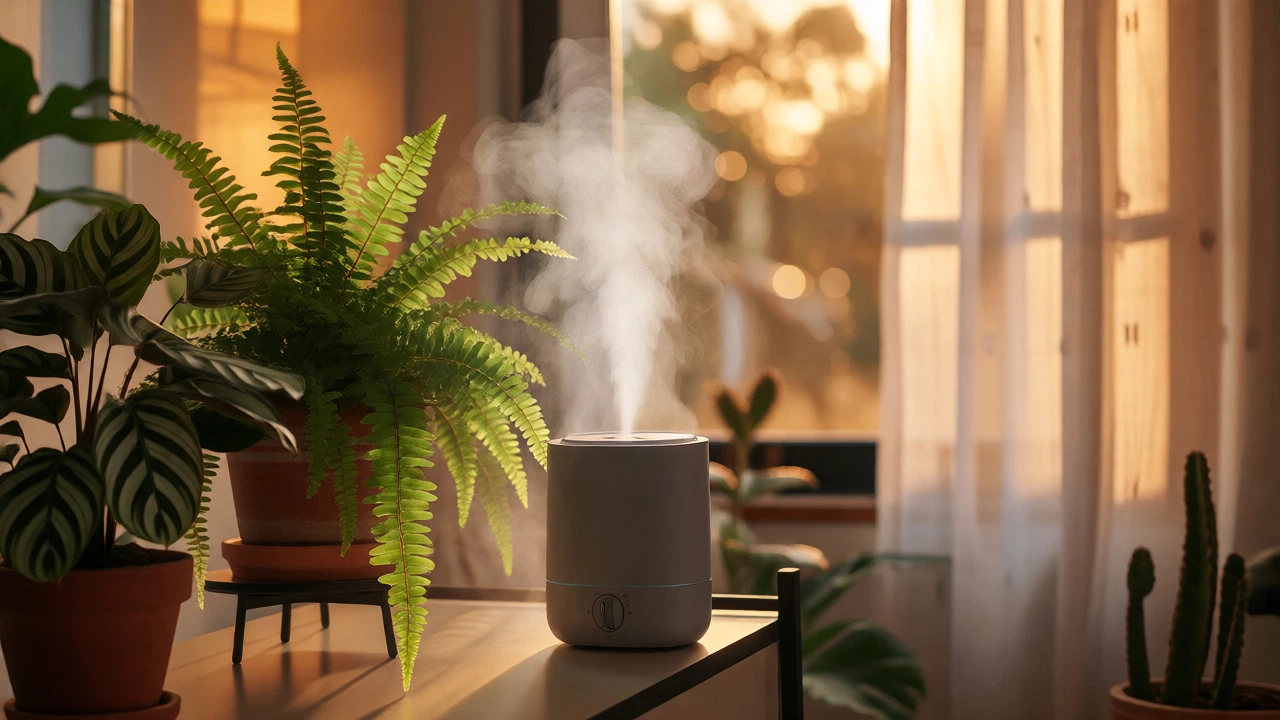
Even for these plants, misting is a temporary fix. The gold standard for increasing humidity is grouping plants together or using a humidifier. Mist raises humidity for maybe 15 minutes before dissipating. A humidifier keeps it stable all day.
Better Alternatives to Misting
If you’re worried about humidity, stop relying on the spray bottle. It’s inefficient and messy. Here are three methods that actually work, ranked by effectiveness:
- Grouping Plants: Plants release moisture through transpiration. Clustering them creates a shared microclimate. Three ferns together will maintain higher local humidity than one fern alone.
- Pebble Trays: Fill a saucer with pebbles and add water until it’s just below the stone level. Place your pot on top. As the water evaporates, it rises around the plant without wetting the roots. This works great for Calatheas and Peace Lilies.
- Humidifiers: An ultrasonic humidifier running near your plant shelf provides consistent, measurable humidity. This is the best option for sensitive tropicals in dry climates or heated homes.
How to Tell If Your Plant Is Over-Misted
Plants communicate their distress clearly if you know what to look for. If you’ve been misting regularly, check for these signs:
| Symptom | Likely Cause | Action |
|---|---|---|
| Brown, crispy leaf tips | Low humidity OR underwatering | Check soil moisture first. If dry, water deeply. If moist, increase ambient humidity via grouping. |
| Yellowing leaves with soft texture | Overwatering or Rot | Stop misting immediately. Let soil dry out. Check for root rot. |
| White or gray fuzzy spots | Fungal Infection (Botrytis) | Remove affected leaves. Improve air circulation. Stop misting. |
| Black spots on leaves | Bacterial Leaf Spot or Sunburn | Ensure leaves dry before sunlight hits them. Reduce frequency. |
Remember, yellowing leaves are rarely a sign that the air is too dry. In 90% of cases, yellow leaves mean you’re watering the soil too much. Misting exacerbates this by making the soil surface look moist when it isn’t, leading to further overwatering.
Regional Considerations: Living in Auckland
Here in Auckland, we have a temperate maritime climate. Our winters are mild but damp, and summers are warm. During our wetter months, indoor humidity often stays naturally above 60%. Misting is almost never needed from May to September. In fact, during these months, poor ventilation combined with misting is a recipe for mold.
In summer, when heaters are off and windows might be open, the air can dry out slightly, but rarely enough to stress most houseplants. Save your misting energy for the few tropical specimens you might have, and rely on grouping for the rest. If you move to a drier region or run heating constantly in winter, reassess your strategy. Always observe your specific plants rather than following generic rules.
Final Thoughts: Less Is More
Gardening indoors is about mimicking natural cycles, not creating artificial ones. Most houseplants are resilient survivors. They don’t need constant pampering. By avoiding misting on plants that hate it-succulents, cacti, ZZ plants, and Pothos-you reduce maintenance time and prevent disease.
Next time you pick up that spray bottle, pause. Ask yourself: Does this plant have fuzzy hairs? Thick, waxy leaves? Or does it come from a desert? If yes, skip the mist. Water the soil thoroughly instead, and let the air do its job. Your plants will thank you with healthier roots and cleaner leaves.
Can I use tap water for misting?
It depends on your local water hardness. Tap water often contains minerals like calcium and magnesium. When you mist, these minerals remain on the leaves after the water evaporates, leaving white crusty residues. This looks bad and can block light absorption. If you must mist, use distilled, rain, or filtered water to prevent buildup.
Do succulents need any humidity at all?
Succulents prefer low humidity (30-40%). High humidity combined with cool temperatures is their biggest enemy, leading to fungal issues. They thrive in dry air. If your home is very humid, ensure good airflow around your succulents to help moisture evaporate from the soil surface quickly.
Is wiping leaves better than misting?
Yes, for most plants. Wiping leaves with a damp cloth removes dust, which blocks photosynthesis, without leaving excess water behind. This improves light absorption and gas exchange. It’s safer than misting because you control exactly how much water touches the plant, preventing water from pooling in leaf axils.
What happens if I accidentally mist a cactus?
Don’t panic. One mist won’t kill it. Just ensure it gets plenty of light and airflow so the water evaporates quickly. Avoid misting again until the next scheduled watering. If you notice soft spots developing, remove the affected area and let the plant dry out completely.
Do air plants (Tillandsia) need misting?
Air plants are unique. They absorb water primarily through their leaves. Misting is acceptable, but soaking them in water for 20-30 minutes once a week is often more effective. After misting or soaking, shake off excess water and ensure they dry within 4 hours to prevent rot. Unlike potted plants, they actually rely on leaf moisture.