Rice Sustainability Impact Calculator
Production Parameters
Environmental Footprint Analysis
Equivalent to 0 standard bathtubs.
CO₂ Equivalent: 0 kg (20-year timeframe).
Impact Breakdown per kg
This helps preserve aquifers and reduces short-term global warming potential.
You might think of rice as just another grain on your plate, but behind that simple bowl lies one of the most resource-intensive agricultural systems on Earth. Rice feeds half the world’s population, yet the way we grow it today is hitting a wall. The core problem with rice farming isn't just about yield; it's about sustainability. We are facing a perfect storm of climate change, water depletion, and soil degradation that threatens the very foundation of this global staple.
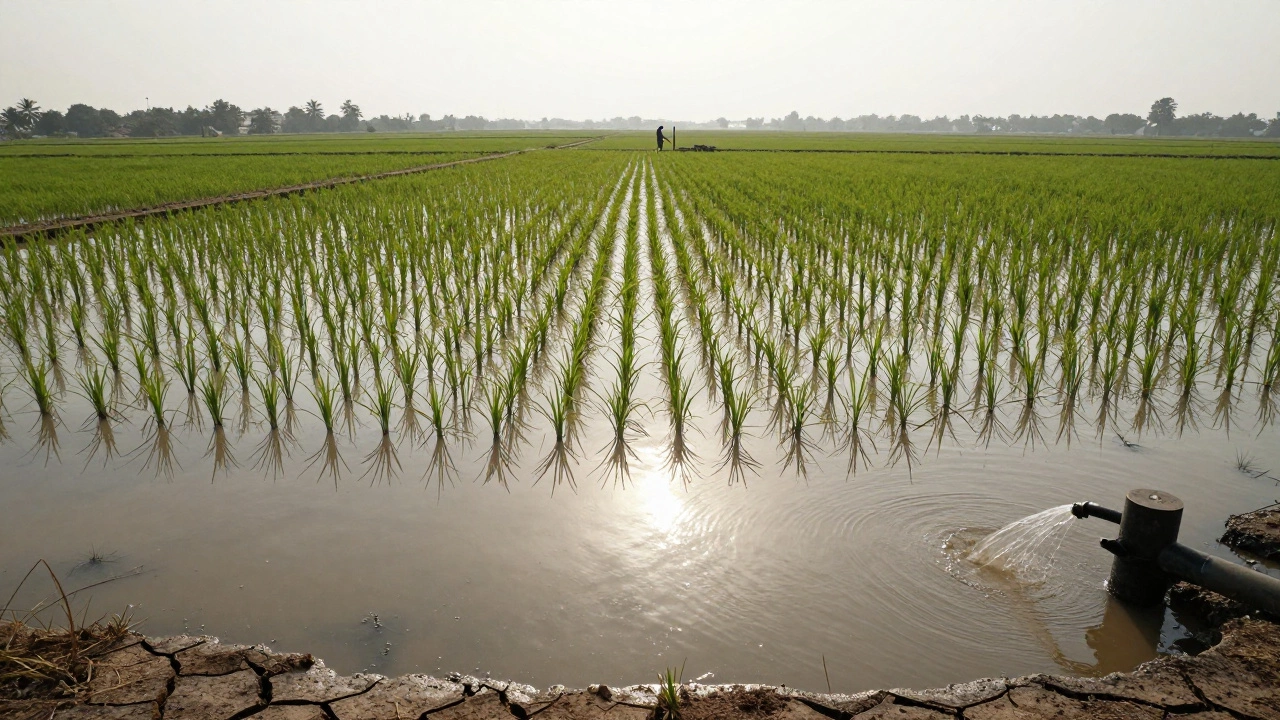
If you look at the numbers, the picture gets clearer. Rice accounts for roughly 30% of global freshwater withdrawals for irrigation. In many parts of Asia, where most rice is grown, aquifers are dropping by meters every year. This isn't a distant future scenario; it's happening now. Farmers are pumping deeper, spending more energy, and getting diminishing returns. When you add in the fact that flooded rice paddies are a major source of greenhouse gases, specifically methane, the traditional methods of growing rice are becoming economically and environmentally unviable.
The Water Crisis: Thirsty Fields in a Drying World
Water is the lifeblood of rice cultivation, but it is also its biggest liability. Traditional rice farming relies on continuous flooding to keep weeds down and provide the anaerobic conditions rice roots need. This method requires massive amounts of water-up to 5,000 liters to produce just one kilogram of milled rice in some inefficient systems. As climate patterns shift, rainfall becomes less predictable. Droughts hit harder, and floods come faster, disrupting planting schedules and destroying crops before they can mature.
In regions like Northern India and China, groundwater levels have plummeted because farmers rely on tube wells to maintain these flooded fields. The energy cost to pump this water is skyrocketing, squeezing profit margins for smallholder farmers who already operate on thin lines. You see, when water becomes scarce, it doesn't just mean lower yields; it means conflict. Communities fight over access to rivers and shared aquifers, turning a food security issue into a social stability crisis.
| Crop | Avg. Water Needed (Liters/kg) | Irrigation Method |
|---|---|---|
| Rice (Traditional Flooded) | 3,500 - 5,000 | Flood Irrigation |
| Rice (Alternate Wetting & Drying) | 1,500 - 2,500 | Controlled Flooding |
| Wheat | 1,000 - 1,600 | Drip/Flood |
| Corn | 1,200 - 1,500 | Drip/Sprinkler |
Methane Emissions: The Silent Climate Killer
Here is a fact that often surprises people: eating rice has a carbon footprint comparable to eating beef, not because of livestock, but because of microbes. When rice fields are continuously flooded, oxygen is cut off from the soil. This creates an anaerobic environment where methanogenic bacteria thrive. These bacteria break down organic matter and release methane, a greenhouse gas that is nearly 80 times more potent than carbon dioxide over a 20-year period.
Rice cultivation contributes approximately 10% of global anthropogenic methane emissions. That’s significant. It’s not just CO2 we’re worried about anymore; it’s the short-term warming effect of methane. For farmers, this translates into regulatory pressure. Governments in Europe and North America are beginning to scrutinize supply chains for their climate impact. If you are importing rice, you might soon face tariffs or restrictions based on its carbon intensity. This makes the environmental cost of rice farming a direct economic threat to exporters in Southeast Asia and beyond.
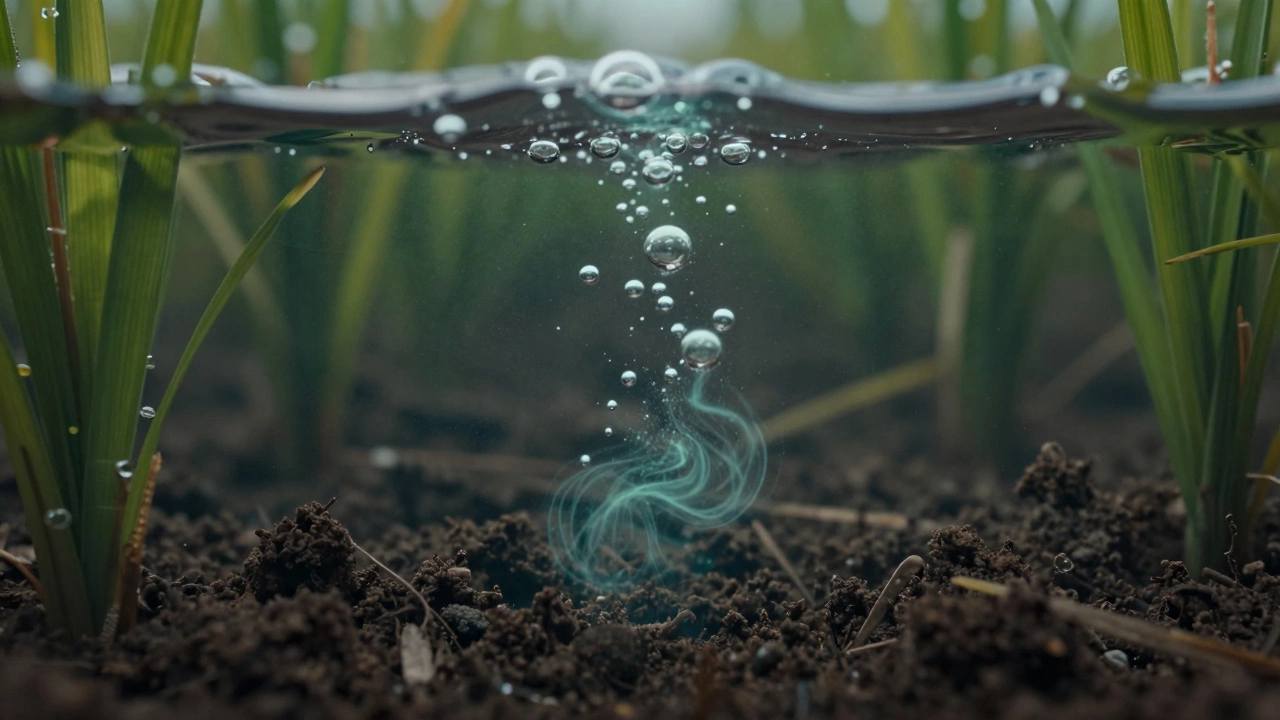
Soil Degradation and Chemical Dependency
To keep yields high despite poor soil health and pest pressures, modern rice farming leans heavily on synthetic fertilizers and pesticides. Over decades, this has led to severe soil acidification and salinization, especially in coastal areas where seawater intrusion is rising due to sea-level rise. The soil loses its structure, becoming compacted and unable to hold nutrients effectively. This creates a vicious cycle: the soil gets worse, so farmers apply more chemicals, which further degrades the ecosystem.
Nitrogen runoff from these fertilizers flows into nearby water bodies, causing eutrophication. You’ve likely heard of dead zones in oceans where algae blooms suck up all the oxygen, killing fish and marine life. Rice paddies are a major contributor to this nutrient pollution. The loss of biodiversity in and around these fields means fewer natural predators for pests, forcing farmers to use even more pesticides. It’s a system that works against nature rather than with it, leading to higher costs and lower long-term resilience.
Economic Pressures on Smallholder Farmers
While the environmental issues are critical, the human element cannot be ignored. Approximately 90% of the world’s rice is produced by small-scale farmers with less than two hectares of land. These farmers face volatile market prices. Global commodity markets fluctuate based on weather events in other countries, trade policies, and geopolitical tensions. A drought in Thailand can spike prices globally, hurting consumers, but a surplus can crash prices, leaving Thai farmers with no income.
Input costs are rising too. Fertilizer prices spiked dramatically in recent years due to supply chain disruptions and energy costs. For a farmer operating on a tight margin, a 20% increase in fertilizer cost can wipe out their profit for the season. Many are trapped in debt cycles, borrowing money to buy seeds and chemicals, hoping for a good harvest that never comes. This economic fragility leads to rural migration, as younger generations leave farming for cities, leaving an aging workforce to manage increasingly difficult agricultural landscapes.
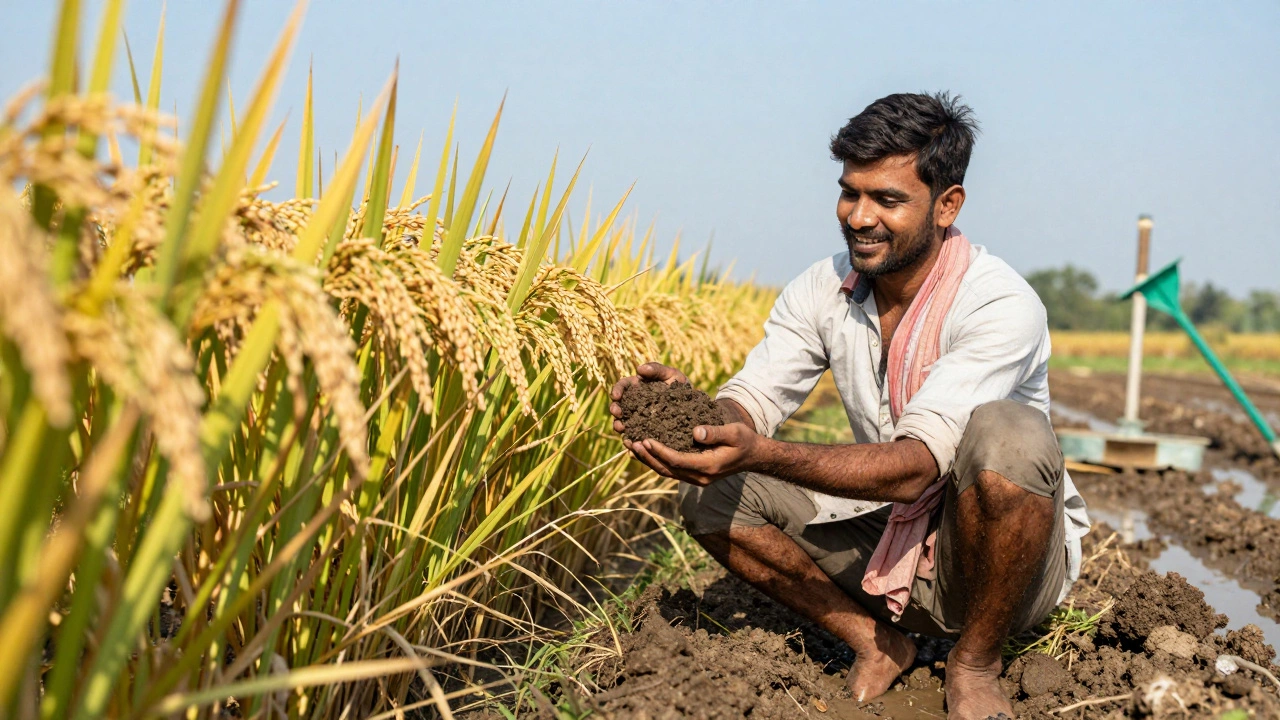
Pest and Disease Vulnerability
Monoculture-the practice of growing the same crop in the same place year after year-is a hallmark of industrial rice farming. While efficient for machinery, it is disastrous for plant health. Pests and diseases adapt quickly. The brown planthopper, for instance, has developed resistance to many common insecticides. Blight fungi spread rapidly through dense, uniform stands of rice plants. When a new strain of disease emerges, it can wipe out entire regions’ harvests in weeks.
Lack of genetic diversity makes this worse. Most commercial rice varieties are closely related, meaning they share similar weaknesses. If a pathogen targets one variety, it likely targets them all. This vulnerability forces farmers to spray more frequently, increasing chemical exposure risks for themselves and local communities. Integrated Pest Management (IPM) offers a solution by using biological controls and resistant varieties, but adoption is slow due to lack of knowledge and immediate financial incentives.
Solutions Emerging: Sustainable Rice Cultivation
Despite these grim realities, there is hope. Innovations in agronomy are changing how we approach rice production. One promising technique is Alternate Wetting and Drying (AWD). Instead of keeping fields constantly flooded, farmers allow the soil to dry out periodically before re-flooding. This simple change reduces water use by 15-30% and cuts methane emissions by up to 50%, without significantly affecting yield. Organizations like the International Rice Research Institute (IRRI) are promoting AWD across Asia with great success.
Breeding programs are also developing new rice varieties that are drought-tolerant, salt-resistant, and require fewer inputs. Submergence-tolerant rice, known as Scuba Rice, can survive being underwater for two weeks, protecting against flash floods. Biofortified rice varieties, enriched with zinc and iron, address hidden hunger while providing nutritional benefits. These technological advances, combined with better policy support for smallholders, can reshape the industry.
Consumer awareness is playing a role too. Certifications like Sustainable Rice Platform (SRP) standards help buyers identify rice grown with reduced environmental impact. By choosing certified products, consumers drive demand for sustainable practices, encouraging farmers to adopt greener methods. It’s a market-based solution that aligns economic incentives with ecological goals.
Why is rice farming bad for the environment?
Rice farming is primarily criticized for its high water consumption and significant methane emissions. Continuous flooding of fields creates anaerobic conditions that promote methane-producing bacteria. Additionally, heavy use of fertilizers leads to nutrient runoff, causing water pollution and dead zones in aquatic ecosystems.
How much water does it take to grow rice?
It takes approximately 3,500 to 5,000 liters of water to produce one kilogram of milled rice using traditional flooded methods. However, newer techniques like Alternate Wetting and Drying (AWD) can reduce this requirement by up to 30%.
Does rice contribute to climate change?
Yes, rice cultivation is responsible for about 10% of global human-caused methane emissions. Methane is a potent greenhouse gas that traps heat in the atmosphere much more effectively than carbon dioxide in the short term.
What are the economic challenges for rice farmers?
Smallholder rice farmers face volatile market prices, rising costs for inputs like fertilizer and fuel, and debt cycles. Climate-related crop failures exacerbate these financial pressures, making it difficult for many to sustain their livelihoods.
Is there a sustainable way to grow rice?
Yes, practices such as Alternate Wetting and Drying (AWD), integrated pest management, and the use of drought-tolerant rice varieties can significantly reduce the environmental impact of rice farming while maintaining yields.