Container Vegetable Selector & Planner
Select a vegetable below to see detailed growing instructions, timing, and care tips tailored for container gardening.
Radishes
Very Easy25-30 days to harvest
Lettuce
Easy30-45 days to harvest
Spinach
Easy40-50 days to harvest
Bush Beans
Moderate50-60 days to harvest
Dwarf Tomatoes
Moderate70-80 days to harvest
Herbs
Bonus PickContinuous harvest
Growing Guide
Care Tips
Common Mistakes to Avoid
Click on any vegetable above to get started with your container garden plan!
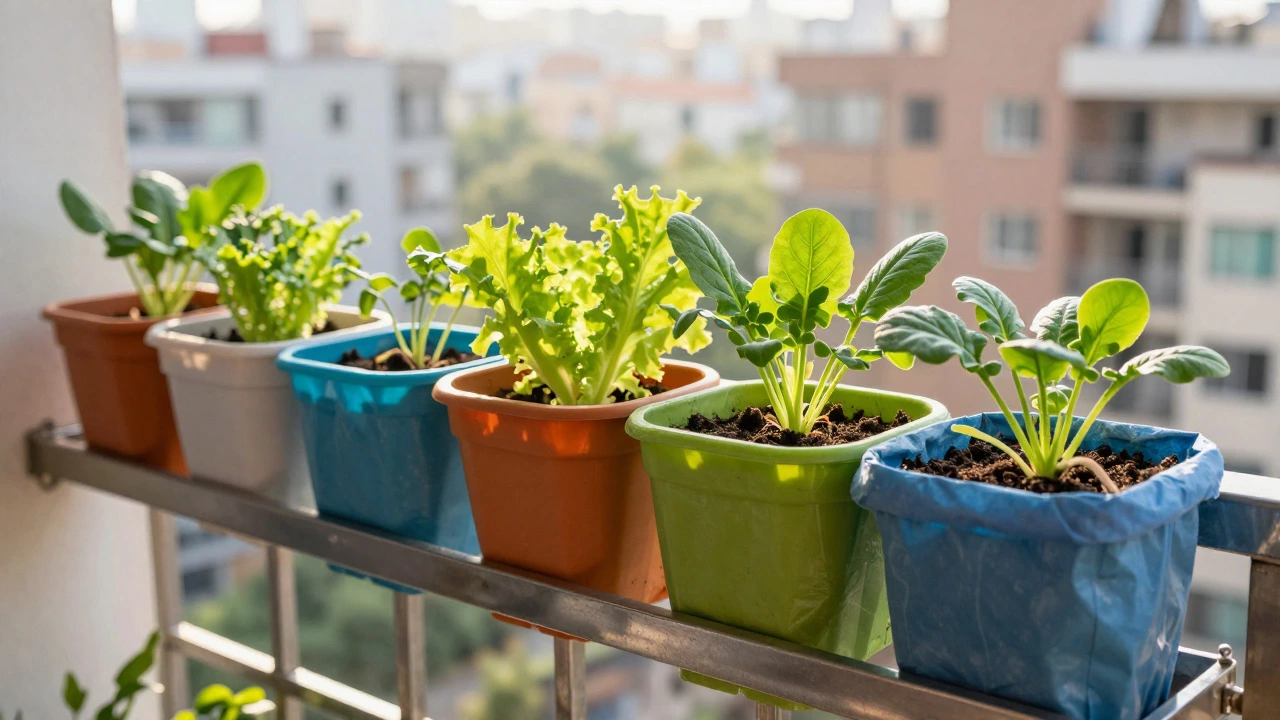
Imagine standing on your apartment balcony, looking at a row of empty plastic pots. You want fresh food, but you don't have acres of land. You just have a railing and some sunlight. The question isn't whether you can garden; it's what will actually survive without turning into a brown, crispy mess by August.
If you are asking what is the easiest vegetable to grow in a container, the answer usually boils down to speed and low maintenance. You don't need a green thumb to succeed here. You need crops that forgive minor mistakes, like forgetting to water once or picking them a day too late. For most beginners, leafy greens and root vegetables are the golden ticket. They grow fast, they don't need huge spaces, and they reward you with harvests in weeks, not months.
The Undisputed Champion: Radishes
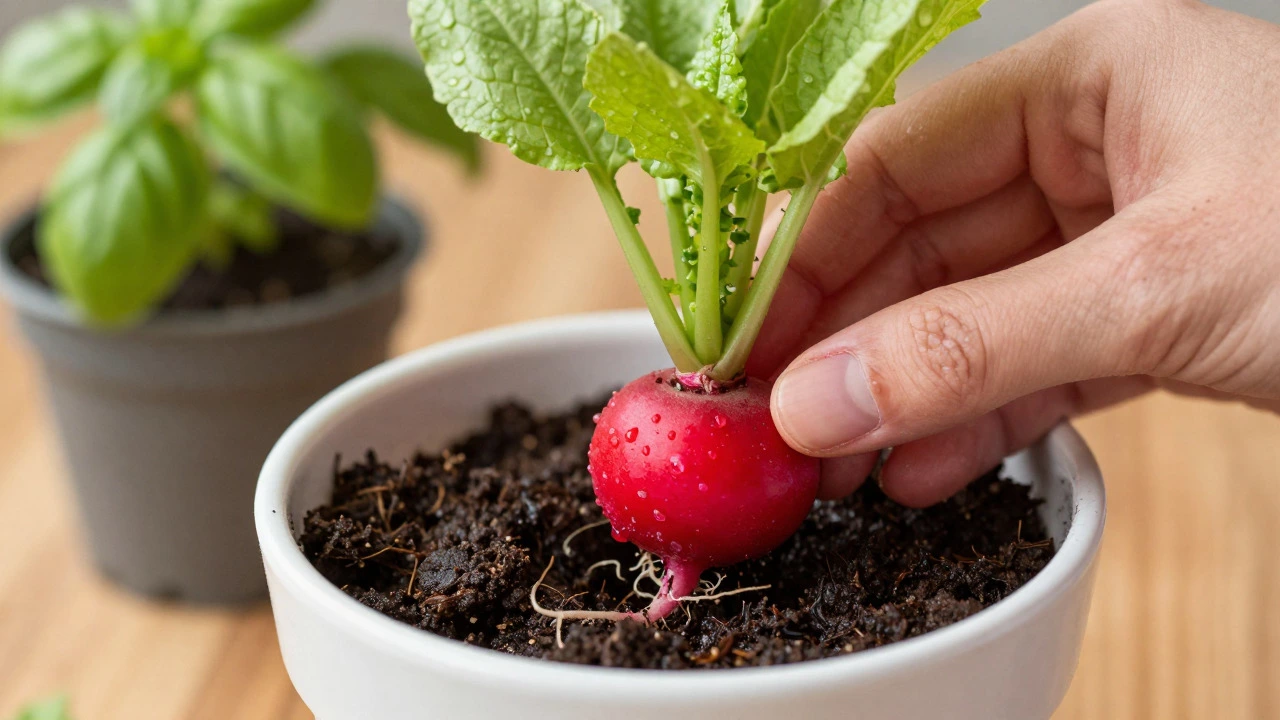
Let’s be honest: nothing builds confidence faster than pulling a crisp, red radish out of the dirt three weeks after planting seeds. Radishes are the ultimate starter crop. They are small, they grow incredibly fast, and they don’t care if your soil isn't perfect. If you pick them too early, they’re tiny but edible. If you wait too long, they get spicy and woody, but you still have something to eat. That margin for error is exactly why they sit at the top of the list.
To grow them, you need a container that is at least 6 inches deep. A standard window box or a large pot works perfectly. Scatter the seeds on top of moist potting mix, cover them lightly with soil-about half an inch-and keep them damp. Don't overthink it. In about four weeks, you can pull up a snack. Varieties like 'Cherry Belle' or 'French Breakfast' are reliable performers in almost any climate during the spring and fall.
Leafy Greens: Lettuce and Spinach
After radishes, leafy greens are your best friends. Lettuce is a cool-season crop that thrives in shallow containers and allows for continuous harvesting. Unlike tomatoes or peppers, which need heat and time to fruit, lettuce grows leaves from day one. You can start snipping outer leaves when the plant is just a few inches tall. This "cut-and-come-again" method means one plant can feed you salads all summer long.
Spinach behaves similarly but prefers cooler weather. It bolts (goes to seed) quickly in high heat, so it’s ideal for spring or late autumn container gardening. Both crops love partial shade. If your balcony gets blasted by afternoon sun, these greens will actually do better there than a tomato plant would. Use a wide, shallow container-depth doesn't matter much because their roots are fibrous and stay near the surface.
Herbs: The Low-Effort Bonus
While technically not vegetables, herbs often fit the bill for "easiest to grow." Basil, mint, and chives are nearly indestructible in pots. Mint is so aggressive that you should always plant it alone in its own pot, or it will choke out everything else. Basil loves warmth and sun, making it a great companion for tomatoes if you decide to level up later. Chives come back year after year if you leave them in the ground through winter in colder zones, or you can bring the pot inside.
These plants solve two problems: they provide flavor for your meals, and they act as practice runs for understanding watering needs. If you can keep a basil plant alive, you’re ready for anything.
Choosing the Right Container
The type of pot matters more than people think. You might be tempted to use old buckets or decorative ceramic pots found around the house. Before you fill them with soil, check for drainage holes. Waterlogging is the number one killer of container plants. If a pot has no holes, drill some or line the bottom with gravel and check moisture levels daily.
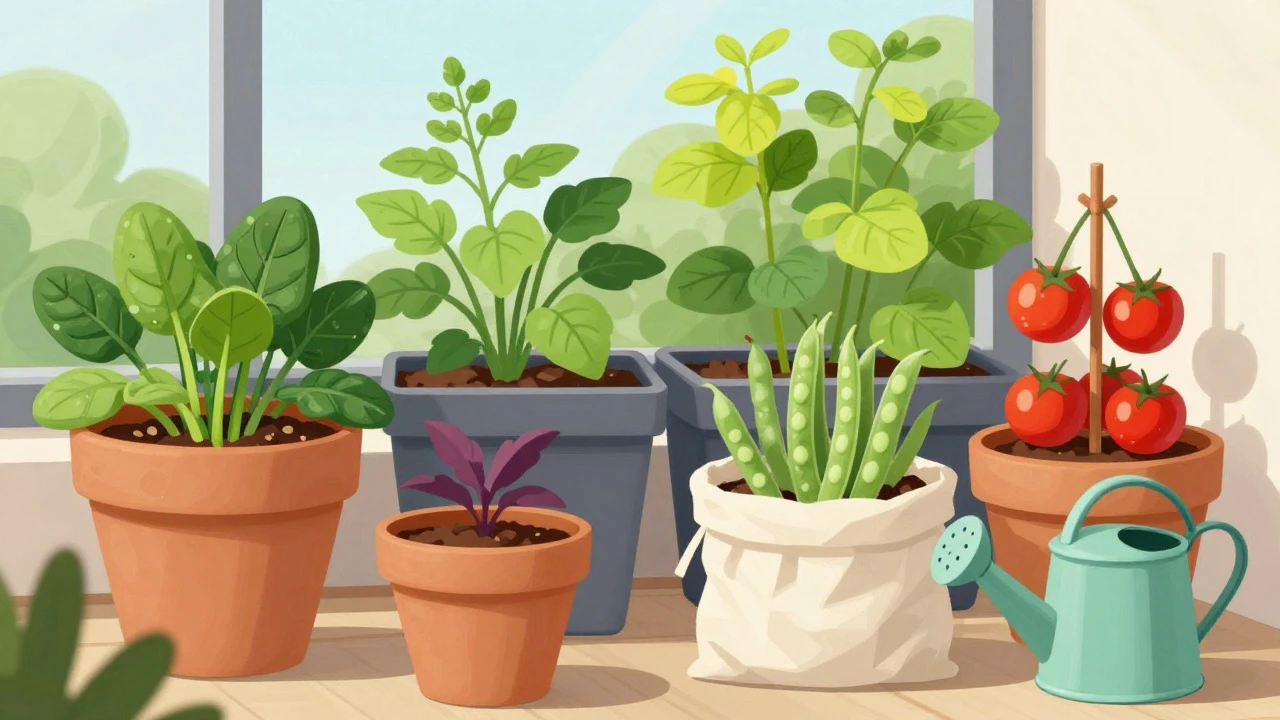
- Plastic pots: Lightweight and retain moisture well. Great for balconies where weight is a concern.
- Terra cotta: Breathable and heavy, which prevents tipping in wind. However, they dry out faster, meaning you’ll water more often.
- Fabric grow bags: Excellent for air-pruning roots, preventing them from circling and choking the plant. They dry out quickly but rarely cause root rot.
For leafy greens and radishes, a depth of 6 to 8 inches is sufficient. If you plan to try bush beans or dwarf tomatoes later, aim for at least 12 inches deep.
Soil and Feeding Basics
Don't dig up dirt from your yard or park. Garden soil compacts in pots, suffocating roots. Instead, buy a bag of high-quality potting mix. Look for terms like "peat-free" or "coconut coir" based, which hold moisture well without becoming concrete-like when dry. Add a slow-release organic fertilizer at planting time. Most premium potting mixes already include this, so check the label first.
Container plants live in a confined space. Once the initial nutrients run out, the plants starve. For leafy greens, a liquid seaweed or fish emulsion spray every two weeks keeps them growing vigorously. Avoid heavy nitrogen feeds for root vegetables like radishes, or you’ll end up with giant leaves and tiny roots.
Watering Wisdom
This is where most beginners fail. Containers dry out faster than garden beds. In summer heat, a small pot might need water twice a day. The finger test is your best tool: stick your finger an inch into the soil. If it feels dry, water it. If it’s damp, wait. Overwatering leads to yellowing leaves and root rot, while underwatering causes wilting and bitter flavors in greens.
Morning is the best time to water. It gives the plant hydration before the sun heats up, reducing evaporation loss. Water at the base of the plant, not on the leaves, to prevent fungal diseases like powdery mildew.
Comparison of Easy Container Vegetables
| Vegetable | Time to Harvest | Container Depth | Sunlight Needs | Difficulty Level |
|---|---|---|---|---|
| Radishes | 25-30 days | 6 inches | Full sun to partial shade | Very Easy |
| Lettuce | 30-45 days | 6-8 inches | Partial shade preferred | Easy |
| Spinach | 40-50 days | 6-8 inches | Partial shade | Easy |
| Bush Beans | 50-60 days | 12 inches | Full sun | Moderate |
| Dwarf Tomatoes | 70-80 days | 12-18 inches | Full sun (6+ hours) | Moderate |
Common Mistakes to Avoid
Overcrowding is a silent killer. Seed packets say "thin to 2 inches apart," and they mean it. If you leave every seedling, they compete for light and nutrients, resulting in spindly, weak plants. Be ruthless with thinning. Pull out the extras and eat them as microgreens-it’s not waste, it’s a bonus snack.
Another mistake is ignoring pests. Even on a balcony, aphids and spider mites show up. Check under leaves regularly. A strong jet of water from your hose can knock off aphids. For tougher infestations, neem oil is an effective organic solution. Prevention is easier than cure, so keep your plants healthy and hydrated to boost their natural defenses.
Next Steps for Your Balcony Garden
Start small. Pick one crop, like radishes or lettuce, and master it. Once you see the cycle of planting, watering, and harvesting, you’ll gain the confidence to try bush beans or even cherry tomatoes. Remember, gardening is iterative. Every failed plant teaches you something about your specific microclimate-the amount of wind on your balcony, the direction of the sun, and how fast your pots dry out.
Keep a simple journal. Note when you planted, when you harvested, and what worked. This data becomes invaluable as you expand your setup. With the right container, good soil, and consistent watering, your balcony can become a productive little farm that saves money and reduces stress.
Can I grow tomatoes in a small container?
Yes, but you must choose dwarf or patio varieties like 'Tiny Tim' or 'Patio Princess'. Standard tomatoes need large pots (at least 5 gallons) and full sun. Dwarf varieties thrive in 1-gallon pots and produce smaller but abundant fruits, making them suitable for limited balcony spaces.
How often should I water container vegetables?
There is no fixed schedule. Check soil moisture daily by sticking your finger an inch deep. Water when the top inch feels dry. In hot summer weather, this may mean watering once or twice a day. In cooler months, once a week might suffice. Always ensure excess water drains out freely.
What is the best soil for container gardening?
Use a high-quality potting mix, not garden soil. Potting mixes are lightweight, sterile, and designed to drain well while retaining moisture. Look for mixes containing peat moss, coconut coir, or vermiculite. Adding perlite improves drainage further. Avoid heavy clay soils which compact and suffocate roots.
Do I need fertilizer for container vegetables?
Yes. Containers have limited soil volume, so nutrients deplete quickly. Use a balanced, slow-release organic fertilizer at planting time. Supplement with liquid fertilizer every 2-4 weeks during the growing season. Leafy greens benefit from higher nitrogen, while fruiting plants need more phosphorus and potassium.
Can I grow vegetables in partial shade?
Absolutely. Leafy greens like lettuce, spinach, arugula, and kale thrive in partial shade (4-6 hours of indirect light). Root vegetables like radishes and carrots also do well. Fruiting plants like tomatoes and peppers require full sun (6-8 hours direct light) to produce well.
Why are my container plants dying?
The most common causes are overwatering (leading to root rot) or poor drainage. Ensure your pots have holes. Another cause is nutrient deficiency; replenish fertilizer regularly. Pests like aphids can also weaken plants quickly. Inspect leaves regularly and address issues early with water sprays or organic treatments.