Indian Flower of Love Selector
Not sure which bloom sends the right message? Select your scenario below to find the culturally appropriate flower.
Ask anyone in Delhi or Mumbai what the flower of love is in India, and you might get three different answers depending on who you ask. Is it the red rose? The sacred lotus? Or perhaps the fragrant jasmine? The truth is, India doesn't have a single, government-mandated "flower of love." Instead, it has a rich tapestry of floral symbolism where different blooms represent different facets of affection, devotion, and romance.
If you're looking to give flowers to an Indian partner, understand wedding traditions, or just appreciate the botanical culture here, you need to know which flower says what. A red rose means passion, sure. But a white lily at a funeral? That’s awkward. And offering a marigold to a lover might send mixed signals unless you know the regional context. Let’s break down exactly which flowers carry the weight of romantic intent in the subcontinent.
The Red Rose: The Modern Standard for Romance
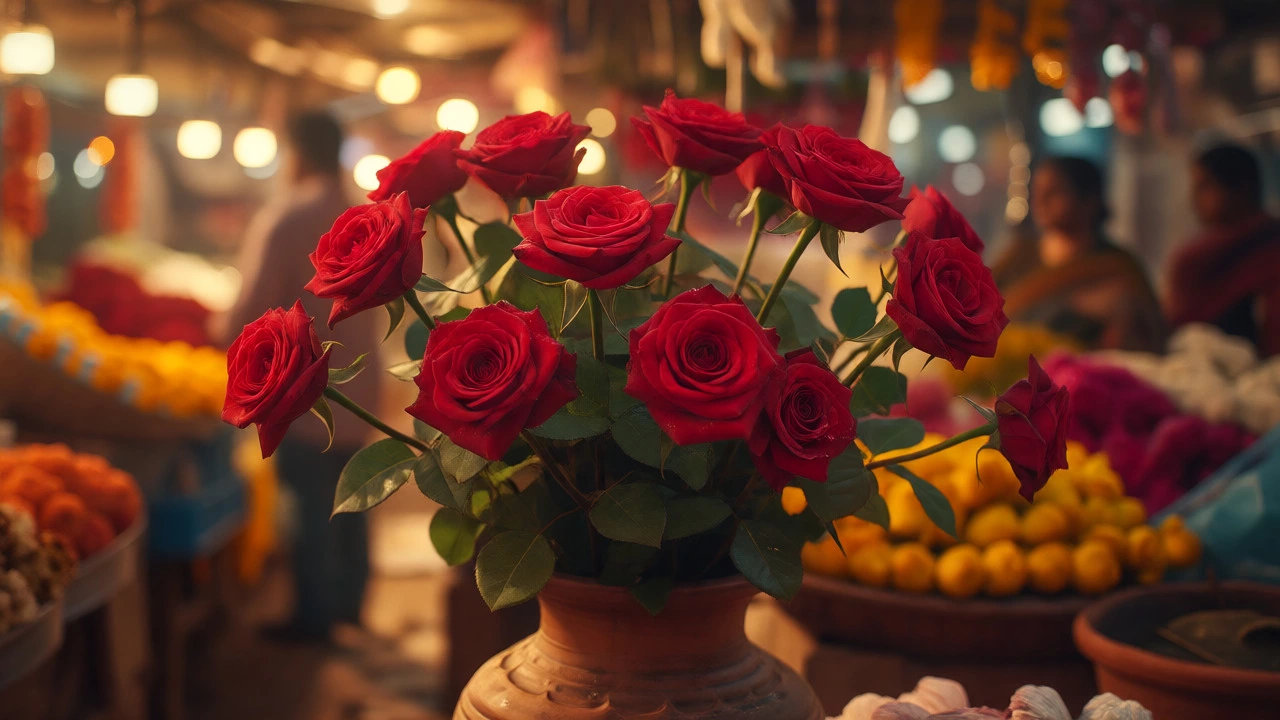
While not native to the entire Indian subcontinent, the Rose (Rosa species) has become the undisputed champion of modern romantic expression in urban India. Walk into any florist in Bangalore or Kolkata on Valentine’s Day, and 90% of the inventory will be roses. This shift happened gradually through globalization and cinema influence, but it stuck because it works.
In contemporary Indian dating culture, especially among millennials and Gen Z, giving a dozen red roses is the safe, universally understood gesture. It mirrors Western norms but has been fully adopted. However, there’s a nuance. In traditional households, a red rose might still be seen as too "Western" or flashy compared to more culturally rooted options. If you’re courting someone from a conservative family background, consider pairing the roses with a note explaining your sentiment, or opt for a mixed bouquet that includes local favorites.
Roses come in various colors, each carrying distinct meanings in India:
- Red: Passionate love, desire, and deep affection.
- Pink: Grace, gratitude, and admiration. Great for early stages of dating.
- White: Purity and innocence, often used in weddings but rarely for passionate romance.
- Yellow: Friendship and joy. Be careful-some older generations associate yellow with infidelity or jealousy, though this view is fading.
Jasmine: The Fragrance of Intimacy and Devotion
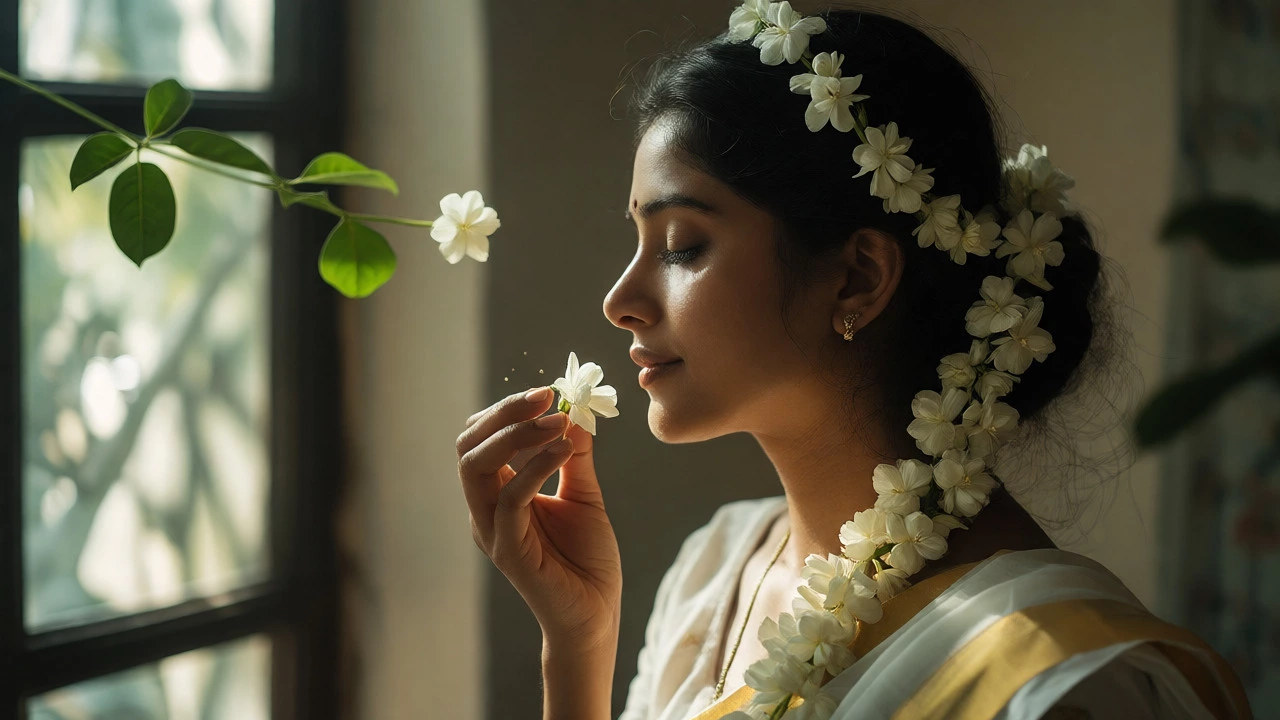
If roses are the visual symbol of love, Jasmine (Jasminum sambac, locally known as Mogra or Chameli) is its olfactory soul. In India, jasmine isn’t just a flower; it’s an atmosphere. You’ll find women wearing strings of fresh jasmine in their hair across South and West India, particularly in Tamil Nadu, Karnataka, and Maharashtra.
Why is jasmine linked to love? Because it’s intimate. It’s close to the head, near the senses. Historically, jasmine garlands were exchanged between lovers in poetry and folk songs. The scent is believed to calm the mind and enhance emotional connection. In many traditional arranged marriages, the bride wears jasmine not just for beauty, but to signify her readiness for domestic harmony and spiritual purity within the union.
For gardeners, growing Jasminum sambac is rewarding. It thrives in warm climates (zones 9-11), loves full sun, and needs well-draining soil. If you want to impress an Indian partner with something personal, gifting a potted jasmine plant they can grow themselves shows effort beyond buying cut flowers. Plus, the fragrance fills the room, creating a sensory memory tied to you.
The Lotus: Spiritual Love and Eternal Bond
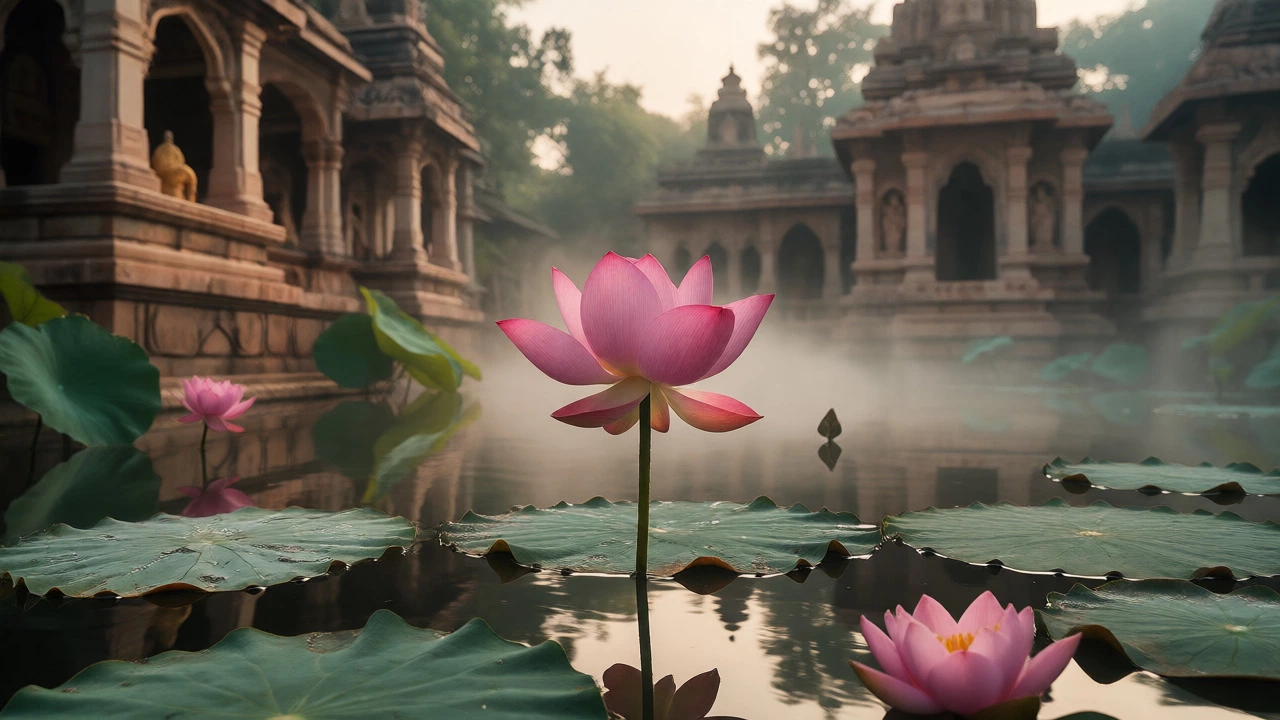
You cannot talk about Indian flowers without mentioning the Lotus (Nelumbo nucifera). As the national flower of India, the lotus holds a position of supreme reverence. While it’s primarily associated with spirituality, purity, and enlightenment rather than earthly romance, it plays a crucial role in marital symbolism.
In Hindu mythology, the goddess Lakshmi sits on a lotus, representing prosperity and fortune. When couples exchange garlands during weddings, lotus motifs are common in jewelry and decor. Giving a lotus to a loved one signifies a wish for a pure, enduring, and spiritually connected relationship. It’s less about fiery passion and more about a bond that rises above the mud-resilient and beautiful.
However, don’t confuse the lotus with the water lily. They look similar but differ botanically. True lotuses have leaves that stand above the water surface, while water lilies float. For gardening enthusiasts, growing lotuses requires a large container or pond, plenty of sunlight, and heavy loam soil. It’s a commitment, but watching them bloom is a meditative experience.
| Flower | Primary Meaning | Cultural Context | Best Occasion |
|---|---|---|---|
| Red Rose | Passion, Desire | Modern, Urban, Globalized | Valentine's Day, Anniversaries |
| Jasmine (Mogra) | Intimacy, Sensuality, Purity | Traditional, Regional (South/West) | Daily Wear, Weddings, Personal Gifts |
| Lotus | Spiritual Union, Purity | Religious, Ceremonial | Weddings, Spiritual Milestones |
| Marigold (Genda) | Affection, Celebration | Festive, Pan-Indian | Festivals, Decorative Bouquets |
Marigolds and Hibiscus: Festive Affection
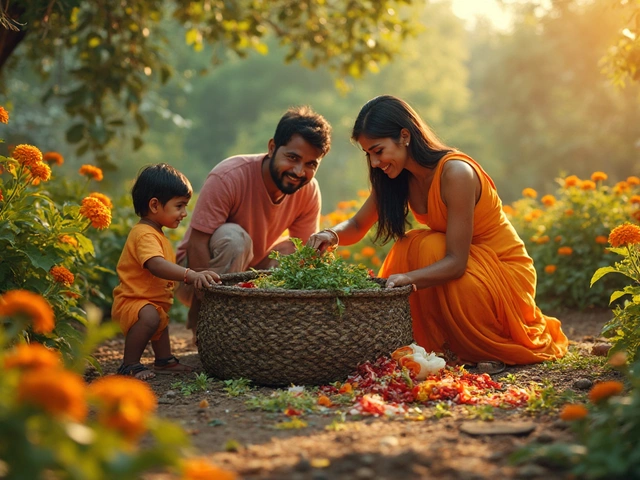
Don’t overlook the Marigold (Tagetes erecta, locally known as Genda). Often dismissed by Westerners as merely decorative, marigolds are deeply embedded in Indian celebrations. Their bright orange and yellow hues symbolize warmth, energy, and positive vibes. While not typically given as a standalone "I love you" gift, a bouquet featuring marigolds alongside roses adds a festive, celebratory tone to the romance.
Similarly, the Hibiscus (Hibiscus rosa-sinensis) is significant in southern India. Women often wear hibiscus flowers behind their ears, a tradition linked to worship and beauty. In some communities, offering hibiscus to deities like Goddess Kali is a form of devotion. In a romantic context, it represents delicate beauty and fleeting moments, making it suitable for lighter, playful gestures rather than grand declarations.
Regional Nuances: What Works Where?
India is vast, and floral preferences vary by region. Here’s a quick guide to avoid faux pas:
- North India (Delhi, Punjab): Roses are king. Marigolds are essential for festivals like Diwali and weddings. Jasmine is popular but less ubiquitous than in the south.
- South India (Tamil Nadu, Kerala): Jasmine (Malli) is non-negotiable. It’s part of daily attire. Hibiscus is also highly regarded. Roses are accepted but may feel impersonal if offered alone.
- West India (Maharashtra, Gujarat): Mixed bouquets are appreciated. Rajnigandha (Tuberose) is extremely popular for its intense fragrance and is often used in bridal hair.
- East India (Bengal, Odisha): Tuberose (Rajnigandha) and Jasmine are favored. The scent profile is preferred over visual impact alone.
Notice a pattern? Scent matters as much as sight. In Indian culture, the aroma of a flower is considered part of its emotional payload. A silent, odorless flower might feel incomplete.
Growing Your Own Symbols of Love
If you’re into gardening, growing these flowers yourself adds a layer of authenticity to your gifts. Here’s how to start:
- Roses: Prune regularly to encourage blooming. Use organic compost to keep pests away. Water at the base to prevent fungal diseases on leaves.
- Jasmine: Plant in pots if you live in cooler climates. Bring indoors during winter. Feed with phosphorus-rich fertilizer to boost flower production.
- Marigolds: Easy to grow from seeds. Pinch off dead heads to prolong flowering season. Perfect for beginners.
- Tuberose: Needs hot summers and dry winters. Store bulbs indoors in frost-prone areas. Plant in sandy, well-drained soil.
Growing these plants connects you to the seasonal rhythms of India. You learn when monsoon rains help jasmine thrive or when winter chill makes roses vibrant. This knowledge lets you time your gifts perfectly.
Beyond the Bloom: The Act of Giving
Ultimately, the "flower of love" in India isn’t just about the species. It’s about the intention. Handing someone a freshly picked jasmine string from your own garden carries more weight than buying imported roses wrapped in plastic. It shows care, patience, and an understanding of local aesthetics.
Consider combining elements. A small bunch of roses tied with a strand of jasmine offers both visual appeal and aromatic intimacy. Or present a potted lotus seedling with a note about nurturing growth together. These hybrid approaches respect tradition while embracing modern romance.
So, next time you wonder what flower to choose, think about the message. Do you want passion? Go red rose. Do you want closeness and comfort? Choose jasmine. Do you want to honor spiritual depth? Pick the lotus. India’s floral language is rich, nuanced, and waiting for you to speak it fluently.
Is the rose really the flower of love in India?
In modern urban contexts, yes. The red rose is widely recognized as a symbol of romantic love due to global cultural influence. However, traditionally, flowers like jasmine and tuberose hold deeper cultural resonance for intimacy and devotion in many regions.
Can I give marigolds to my partner?
Yes, but usually as part of a mixed bouquet or for festive occasions. Marigolds symbolize celebration and warmth. Alone, they might be interpreted as decorative rather than romantic, so pair them with roses or jasmine for clearer intent.
What does the lotus symbolize in relationships?
The lotus symbolizes purity, spiritual connection, and resilience. In relationships, it represents a bond that remains untainted by external challenges. It is more commonly associated with marital vows and spiritual unions than casual dating.
Which flower smells best for a romantic gift?
Jasmine (Mogra) and Tuberose (Rajnigandha) are renowned for their intoxicating fragrances. In Indian culture, scent is a key component of romantic appeal, making these flowers excellent choices for creating an intimate atmosphere.
Are white flowers bad luck for love in India?
Not necessarily. White flowers like jasmine and lilies are often associated with purity and peace. While white chrysanthemums are sometimes linked to mourning, white jasmine is widely worn by brides and loved ones, symbolizing auspiciousness and new beginnings.