Tomato Farming Cost in India: What It Really Takes to Grow Tomatoes
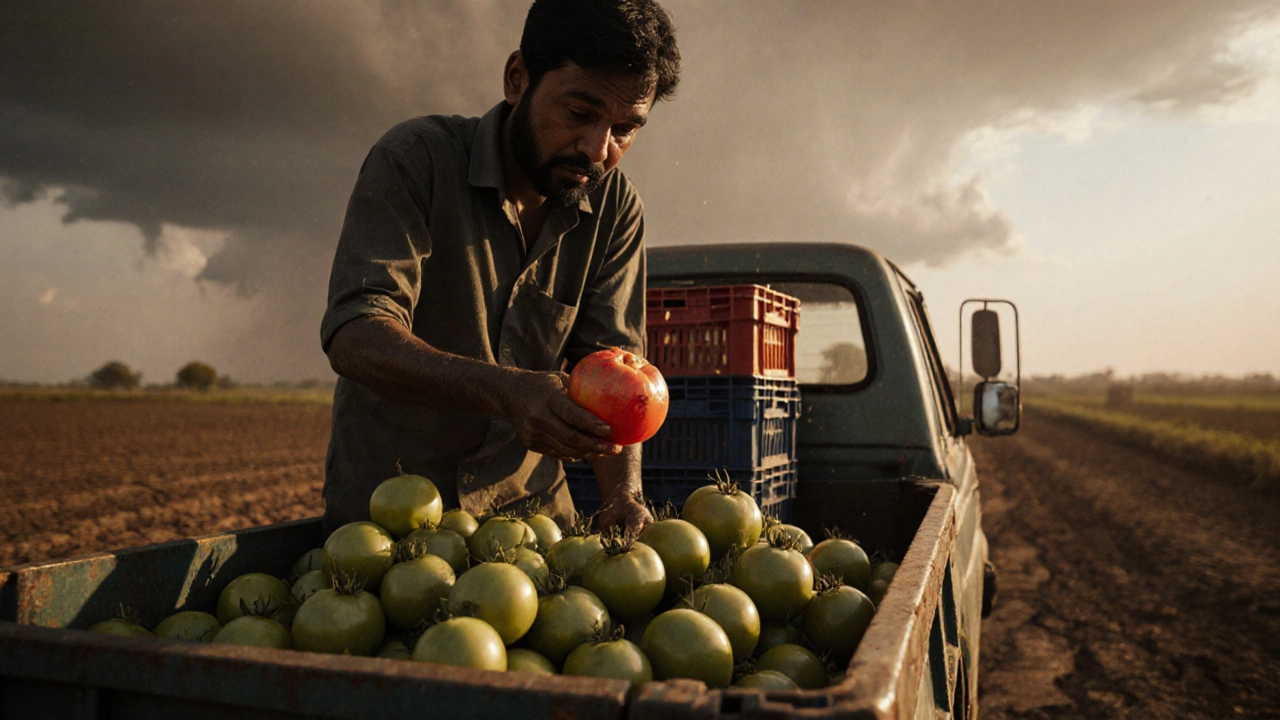
When you think of the tomato, a staple vegetable in every Indian kitchen and one of the most widely grown crops across the country. Also known as Lycopersicon esculentum, it’s not just a kitchen essential—it’s a major cash crop for small and medium farmers. But growing tomatoes isn’t free. The tomato farming cost, the total investment needed to produce tomatoes from seed to sale, including land, inputs, labor, and equipment varies wildly depending on where you are, how big your plot is, and whether you’re farming in a field or a backyard.
Most Indian farmers start with seeds or seedlings, which cost between ₹50 and ₹200 per 1,000 plants. Fertilizers—especially nitrogen, phosphorus, and potassium—add another ₹8,000 to ₹15,000 per acre. Pesticides and disease control, especially for early blight and fruit borers, can eat up ₹3,000 to ₹7,000. Then there’s water. In places like Maharashtra or Andhra Pradesh, where rainfall is unreliable, drip irrigation systems cost ₹20,000 to ₹40,000 upfront but save money over time. Labor is the biggest variable: planting, weeding, pruning, and harvesting take 200–300 person-days per acre. At ₹300–₹500 per day, that’s ₹60,000 to ₹1.5 lakh just for hands-on work.
The good news? A well-managed tomato farm in India can yield 20 to 30 tons per acre. At current market prices of ₹20–₹40 per kg, that’s a gross income of ₹4–₹12 lakh. After cutting costs, many farmers clear ₹2–₹6 lakh profit per acre—sometimes more if they sell directly to markets or processors. But it’s not guaranteed. Weather, pests, and price crashes can wipe out margins fast. That’s why smart growers mix in intercropping, use organic inputs where possible, and time planting to avoid monsoon damage.
What you’ll find in the posts below aren’t just theory. Real stories from Indian gardeners who’ve cracked the code on low-cost tomato growing. You’ll see how balcony growers in Delhi cut costs with recycled pots, how farmers in Tamil Nadu reduced pesticide use with neem-based sprays, and why some make more profit growing tomatoes in polyhouses than in open fields. Whether you’re thinking of starting a small plot or scaling up, these guides give you the numbers, the mistakes, and the fixes that actually work.
Vegetable Gardening
0
Comments
Why Tomato Is Costly in India?
Tomato prices in India spike every year due to monsoon damage, poor cold storage, middlemen control, and rising input costs. Despite being a top producer, India wastes 30% of its tomato crop - and consumers pay the price.
About
Vegetable Gardening
Latest Posts

Vegetable Garden Soil: What to Add for Healthy Growth
By Alden Thorne Jun 3, 2025

Sacred Plant in India: Why Tulsi Rules Flower Gardens
By Alden Thorne Jun 22, 2025
What is a cheap source of nitrogen for compost?
By Alden Thorne Feb 3, 2026