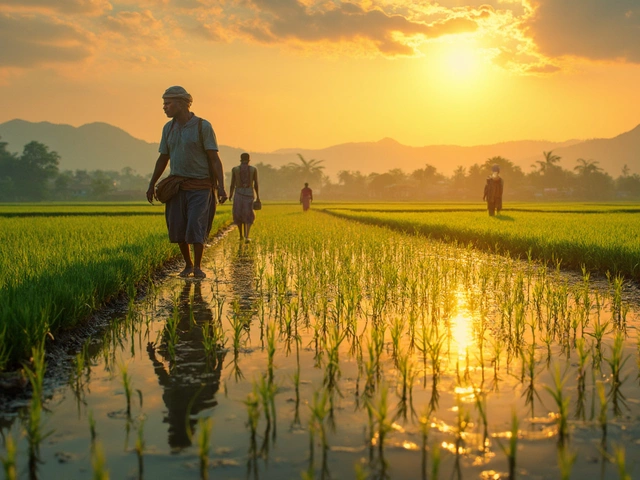
Superfoods in India: What Really Works for Your Garden and Plate
When we talk about superfoods, nutrient-dense foods that offer major health benefits with few calories. Also known as power foods, they’re not magic pills—they’re real plants that thrive in Indian soil and kitchens. In India, the real superfoods aren’t imported acai berries or chia seeds from distant lands. They’re the tomatoes you grow on your balcony, the broccoli that survives the summer heat, and the spinach that comes up after the rains. These aren’t trendy labels—they’re time-tested, affordable, and deeply woven into how Indian families eat and grow food.
What makes something a superfood isn’t just its vitamin content. It’s how well it grows in your climate, how much nutrition it packs per square foot, and whether it can be grown without expensive inputs. Take the tomato, a fruit often mistaken for a vegetable, central to Indian cooking and one of the most widely grown crops in home gardens. It’s packed with lycopene, thrives in most Indian zones, and even when prices spike, you can grow it for pennies. Then there’s broccoli, a cool-season vegetable that’s expensive in markets but surprisingly easy to grow in winter months across India. Most people think it needs perfect conditions—but it just needs good soil, a little shade, and consistent water. Even eggplant, often overlooked, is a superfood in disguise: high in fiber, antioxidants, and grows like a weed in Indian summers.
What’s missing from the superfood hype is the connection between what you eat and what you can grow. The best superfoods for Indians aren’t the ones sold in fancy packaging—they’re the ones you can plant in a pot, harvest in 60 days, and feed your family without debt. This collection of posts dives into exactly that: which plants deliver the most nutrition for the least effort, why some superfoods cost too much in stores (and how to avoid paying it), and how soil, water, and season affect their quality. You’ll find real stories from Indian gardens—not theory, not ads, just what works on balconies, rooftops, and backyard plots.
By the end of this, you won’t just know what superfoods are. You’ll know which ones to plant, when to plant them, and how to make sure your garden gives you more than just greens—it gives you health, savings, and pride.
Vegetable Gardening
0
Comments
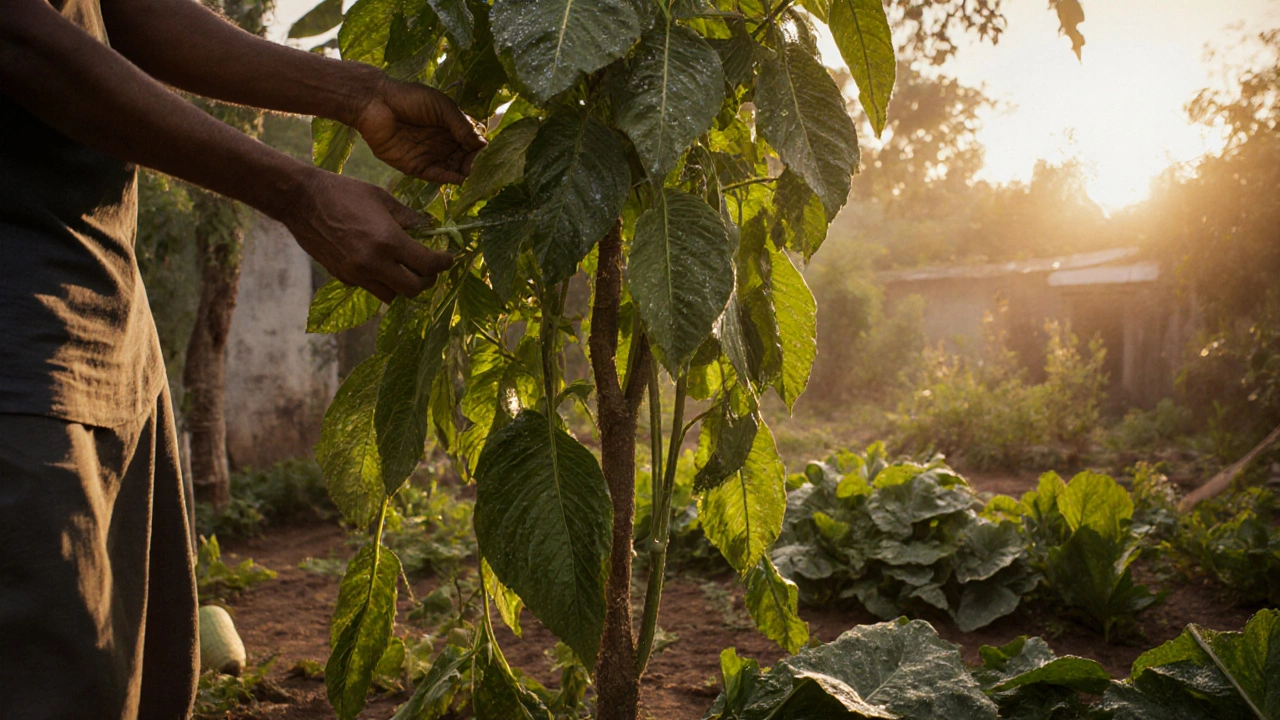
Which Vegetable Is Truly the Healthiest? Science Says It’s Not What You Think
No single vegetable is the healthiest-moringa stands out for its unmatched nutrient density, drought resistance, and suitability for Indian gardens. Learn why it beats kale and spinach in real-world nutrition and how to grow it yourself.
About
Vegetable Gardening
Latest Posts


Best Ground Cover for Hillside Erosion Control
By Alden Thorne Feb 13, 2025
Can You Use Tap Water to Mist Indoor Plants?
By Alden Thorne Nov 21, 2025
Discover India's All-Season Wonder: The Marigold
By Alden Thorne Mar 23, 2025