Rooftop Garden Soil: The Secret to Thriving Urban Gardens
Ever stared at a concrete jungle and thought, "That flat roof could be a garden?" It can, but the magic starts with the right rooftop garden soil. When working with rooftop garden soil, a specially formulated blend that balances weight, drainage, and nutrients for roof‑top planting. Also known as roof garden substrate, it lets you turn idle space into fresh herbs, veggies, or vibrant flowers without overloading the structure.
One of the biggest allies of rooftop garden soil is the concept of green roofs, systems that layer waterproof membranes, insulation, and vegetation on building tops. Green roofs provide the protective barrier that keeps water from seeping into the building while creating a micro‑climate that helps soil stay moist but not soggy. In practice, your soil mix lives on top of that system, so understanding how green roofs work helps you pick a soil that won’t break the seal.
The composition of a good soil mix is the next puzzle piece. Most experts recommend a 50‑30‑20 split: 50% lightweight mineral component (like expanded clay or perlite), 30% organic matter (compost or well‑rotted manure), and 20% slow‑release fertilizer. This trio keeps the mix light enough to meet structural load limits—the maximum weight a roof can safely bear while still delivering nutrients and holding water where plant roots need it.
Speaking of water, proper irrigation is a make‑or‑break factor. Drip irrigation, a low‑flow system that delivers water directly to the root zone works wonders on rooftops because it reduces runoff, conserves water, and prevents the soil from becoming a water‑logged slab. Pairing drip lines with a moisture‑retentive yet well‑draining mix ensures plants get steady moisture without risking leaks.
Nutrient management on a roof differs from ground‑level beds. Since the soil volume is limited, you’ll need to replenish nutrients more often. Adding a thin layer of compost every few months or using a liquid fertilizer through the drip system keeps the feed cycle balanced. Remember, organic matter also improves soil structure, helping prevent the mix from compacting under repeated foot traffic.
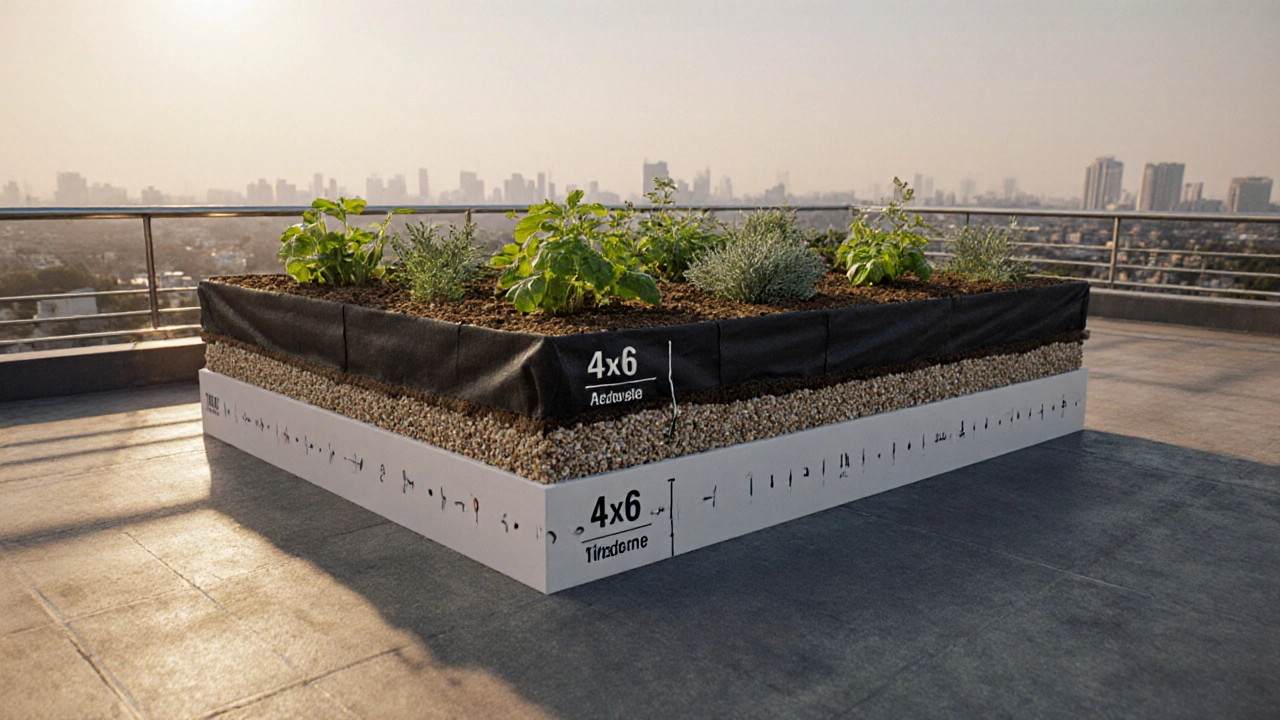
Ready to set up your own rooftop garden soil? Start by laying a high‑quality waterproof membrane and a root‑proof barrier. Next, spread a 2‑4 cm layer of coarse gravel to aid drainage. Then, layer your pre‑mixed soil blend to a depth of 15‑30 cm depending on plant type—shallow for herbs, deeper for shrubs. Install drip tubing before the final soil layer, test water flow, and seal any gaps. Finally, plant, water lightly, and monitor for the first two weeks; this is when most issues surface.
Key Factors to Choose the Right Soil for Your Roof Garden
To sum up, successful rooftop gardening hinges on three things: a light, well‑draining soil mix, a robust waterproof/irrigation system, and respect for the building’s structural limits. The articles below walk you through everything from cost‑effective soil recipes to common pitfalls like over‑watering or using heavy potting mixes. Dive in to find practical tips, step‑by‑step guides, and real‑world examples that will help you turn that flat roof into a green oasis.
Terrace Gardening
0
Comments
Optimal Soil Depth for Rooftop Gardens - How Deep Should It Be?
Learn the right rooftop garden soil depth for herbs, veggies, and fruiting plants, balancing plant health with roof load limits and lightweight media.
About
Terrace Gardening
Latest Posts

How Far Should a Garden Be From Your House? Practical Setback Guidelines
By Alden Thorne Oct 20, 2025

Indian God of Vegetables: Myth, Meaning, and Tips for Better Gardening
By Alden Thorne Apr 26, 2025

Sister Plants: The Science and Benefits of Companion Planting for Gardeners
By Alden Thorne Jul 19, 2025