Onion Facts: Everything You Need to Know
Onions are everywhere – in curries, salads, sauces and even desserts. They’re cheap, versatile and pack a punch of flavor. But beyond taste, onions hide a lot of useful facts that most people miss. Below we break down the health perks, how to grow them in Indian gardens, storage hacks and the most common varieties you’ll see at the market.
Health Benefits and Nutrition
One medium onion gives you about 10% of your daily vitamin C, plus a good dose of B‑vitamins, potassium and fiber. The real star is a compound called quercetin, an antioxidant that helps lower inflammation and may support heart health. Regular onion consumption has been linked to reduced blood pressure and better cholesterol levels – not a miracle cure, but a solid addition to a balanced diet.
If you’re watching blood sugar, onions are friendly too. Their low glycemic index means they won’t cause a spike in glucose, and the sulfur compounds can improve insulin sensitivity. That’s why many Indian home cooks add onions to dal and veg dishes – they boost flavor without adding extra carbs.
For skin and hair, the same sulfur that gives onions their pungent smell also supports collagen production. A simple onion juice rinse can help reduce dandruff and promote brighter skin, though you might want to test it on a small area first.
Growing and Storing Onions
Most Indian gardeners grow onions from sets (small, onion-like bulbs) or from seeds. Sets are easier for beginners because they skip the long seed‑ling stage. Plant them 2–3 cm deep, space them 10 cm apart, and keep the soil loose and well‑drained. Onions love sun, so choose a spot that gets at least 6 hours of direct light daily.
Watering is key – keep the soil consistently moist but avoid waterlogging, which can rot the roots. As the plants grow, you’ll notice a green stalk (the “scape”) emerging. If you plan to harvest the bulbs, let the scapes stay; they feed the bulb. For green onions, cut the scape early and let the plant keep producing.
Harvest time varies by variety. Short‑day onions, popular in northern India, are ready in 90‑120 days. Long‑day types, better for the south, may need 150 days. When the tops start to yellow and fall over, gently pull a bulb to check size. If it feels firm, it’s ready.
After pulling, cure the onions by spreading them in a well‑ventilated, shaded area for 10–14 days. This dries the outer skins and extends shelf life. Once cured, store them in a cool, dry place – a pantry or a mesh bag works fine. Properly cured onions can last 2–3 months.
Here are three common Indian onion varieties you’ll meet at the market:
- Red Onion: Sweet, slightly milder, great for salads and raw dishes.
- Yellow Onion: The workhorse; strong flavor that mellows when cooked.
- White Onion: Crisper and less pungent; often used in South Indian sambar.
Each variety has its own best use, but nutritionally they’re all similar. Pick the one that fits your recipe and you’ll get the same health boost.
Finally, a quick tip for reducing the onion’s bite: soak sliced onions in cold water for 10 minutes, then drain. This softens the sharpness and makes them perfect for fresh salads.
With these onion facts in hand, you can enjoy the taste, health perks and even grow your own supply. Whether you’re a kitchen novice or a seasoned gardener, onions are a simple yet powerful addition to any Indian home.
Vegetable Gardening
0
Comments
Why Do We Cry While Cutting Onions? Exploring the Science and Solutions
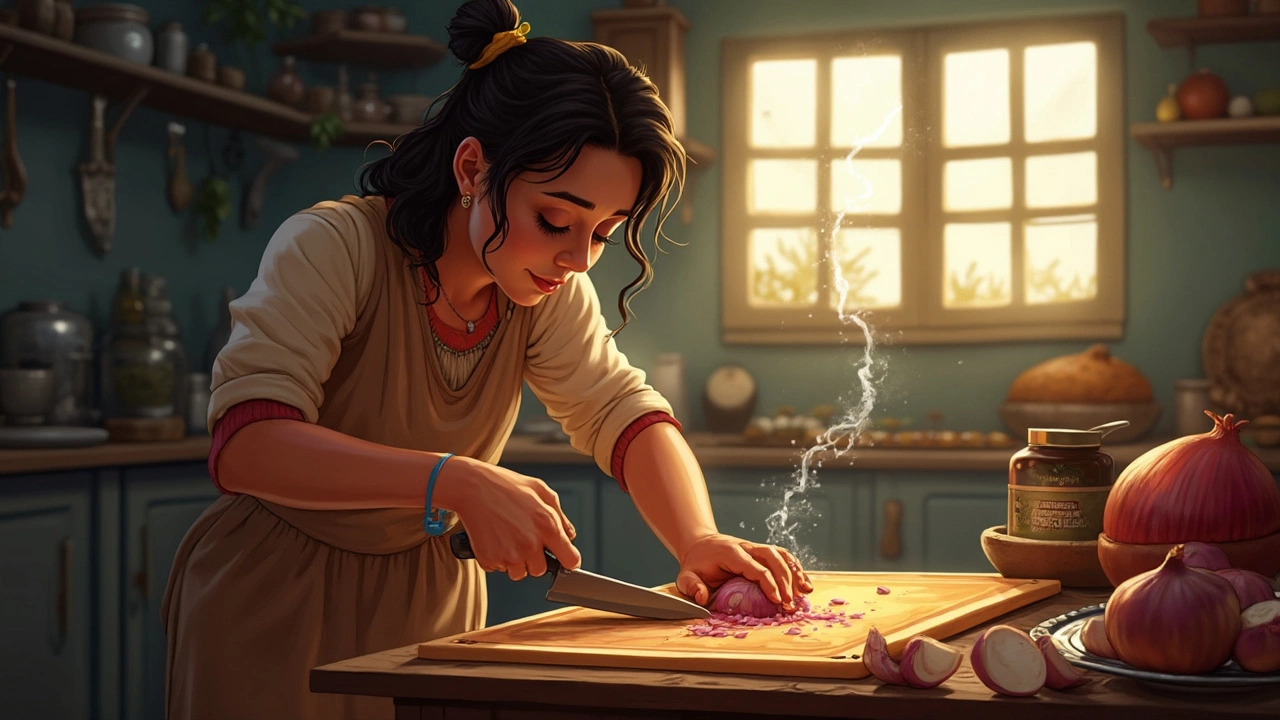
Ever sliced into an onion and found yourself in tears? This article explores the science behind why cutting onions makes us cry. We'll dive into how onions release a chemical that irritates our eyes and share some handy tips on how to reduce tears. You'll also learn interesting facts about growing onions perfectly suited for Indian gardens. Discover effective ways to store onions and make the most of your harvest.
About
Vegetable Gardening
Latest Posts

Why Does My Drip Line Keep Clogging?
By Alden Thorne Apr 12, 2025
How Many Drippers Can I Run on One Line? Drip Irrigation Limits Explained
By Alden Thorne May 29, 2025
India's National Fruit: The Mango Explained
By Alden Thorne May 15, 2025