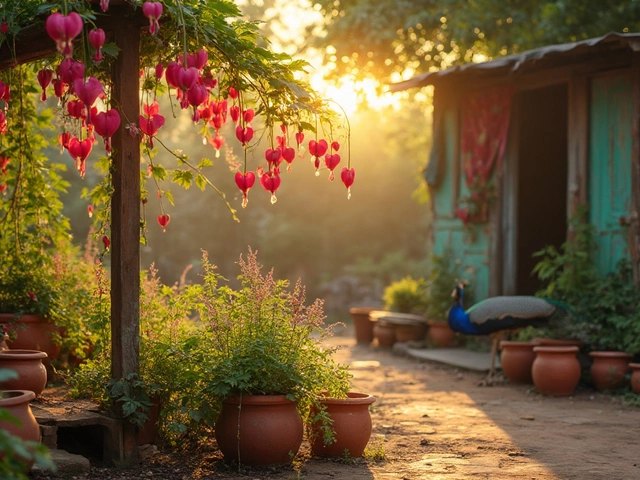
Most Grown Flower in India: Top Blooms, Why They Thrive, and How to Grow Them
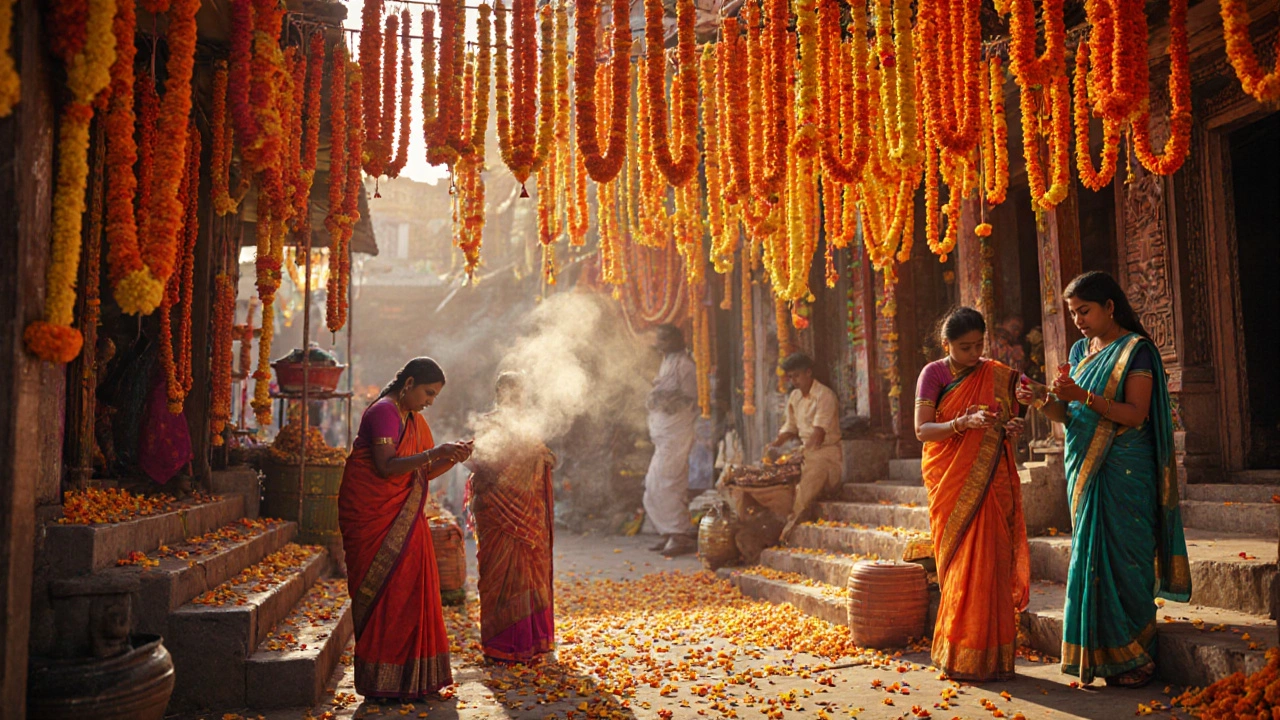
When it comes to the most grown flower in India, a flowering plant widely cultivated across households, temples, and public spaces for its color, scent, and cultural significance. Also known as India’s most common garden bloom, it’s not just a plant—it’s part of daily life, from morning prayers to wedding decorations. The answer isn’t a mystery: marigold leads by a wide margin. You’ll find it in every corner of the country, from rooftop pots in Delhi to temple courtyards in Tamil Nadu. It’s cheap, tough, blooms year-round in most climates, and doesn’t need fancy care. But marigolds aren’t alone. Roses and hibiscus are close behind, each with their own reasons for being everywhere.
Why do these three flowers dominate? It’s not just tradition. Marigolds thrive in heat, need little water, and repel pests naturally—perfect for Indian summers. Roses, especially the local Indian rose varieties, grow well in well-drained soil and get enough sun in most backyards. Hibiscus, often called china rose, a tropical flowering shrub with large, colorful blooms, widely used in religious offerings and home gardens across South India, loves humidity and grows wild in places like Kerala and West Bengal. These aren’t exotic imports—they’re adapted, resilient, and deeply tied to local conditions. You won’t find many people growing orchids or peonies in their balconies because they’re finicky. But marigolds? Even someone who forgets to water for weeks can get them to bloom.
It’s not just about beauty. These flowers are practical. Marigolds are used in natural pesticides. Hibiscus leaves help with hair growth and skin care in rural households. Roses are turned into attar, tea, and even face packs. They’re not just decoration—they’re part of health, culture, and economy. If you’re new to gardening in India, starting with one of these three is the smartest move. You don’t need a big yard. A pot on your balcony, a patch of soil near your gate, or even a window box will do. The real question isn’t whether you can grow them—it’s why you haven’t started yet.
Below, you’ll find real guides from Indian gardeners who’ve figured out how to grow these flowers better—whether they’re dealing with monsoon damage, dry winters, or tiny balconies. No theory. No fluff. Just what works on the ground here.
Flower Gardening
0
Comments
Which Flower Is Most Grown in India? The Top Cultivated Bloom and Why It Dominates
Marigolds are the most grown flower in India, cultivated across millions of acres for religious, cultural, and commercial use. Their resilience, low cost, and deep cultural roots make them unmatched in volume and significance.
About
Flower Gardening
Latest Posts
How to Tell If Your Houseplant Needs Water: Simple Signs & Expert Tips
By Alden Thorne Jul 23, 2025
Why Does My Drip Line Keep Clogging?
By Alden Thorne Apr 12, 2025
Most Profitable Fruit Farming in India: Top Crops and Real Returns
By Alden Thorne Dec 1, 2025