Houseplant Watering: Essential Tips for Thriving Indoor Plants
When working with houseplant watering, the practice of giving the right amount of water to indoor plants to keep them healthy. Also known as indoor plant watering, it balances moisture, prevents root rot, and supports growth. A proper watering schedule, a calendar that matches plant species, season, and pot size helps you avoid both drought stress and over‑watering. Monitoring soil moisture, the water content in the growing medium gives a realistic picture of what the roots actually need, because pot size, drainage, and humidity all affect how quickly water disappears. Using the right watering tools, such as a long‑necked watering can, a drip system, or a self‑watering pot makes it easier to apply water evenly and avoid splash damage to foliage. In short, houseplant watering encompasses scheduling, moisture monitoring, and tool selection, each piece influencing the next.
Why Watering Matters and How to Get It Right
Indoor plants breathe through their roots, so water is as vital as light. When you match the plant water needs, the specific amount of moisture each species prefers to the local climate inside your home, you create a stable environment that boosts growth and reduces pest problems. For example, a peace lily thrives in consistently moist soil, while a succulent prefers the soil to dry out completely between waterings. Understanding those differences means you can set a watering schedule that reflects real needs rather than a one‑size‑fits‑all approach. Many beginners make the mistake of checking the top inch of soil; instead, use a moisture meter or press a finger about two inches deep to get a true reading of soil moisture. This simple habit prevents hidden over‑watering that leads to root rot, a common cause of indoor plant loss.
Choosing the right watering tools also cuts down on guesswork. A narrow‑spouted watering can lets you direct water to the soil without drenching leaves, which is especially useful for plants that dislike wet foliage. Self‑watering pots have a reservoir that releases water slowly, essentially automating the watering schedule and keeping soil moisture within the optimal range. If you prefer a low‑tech solution, a simple pebble tray under the pot can raise humidity while letting excess water drain away. By combining accurate moisture checks, a sensible schedule, and appropriate tools, you create a feedback loop where each element supports the others, leading to healthier, more resilient houseplants. Below you’ll find detailed articles that break down every part of this loop—from selecting the best watering can for your space to building a customized watering calendar for each of your indoor greens.
Indoor Plant Care
0
Comments
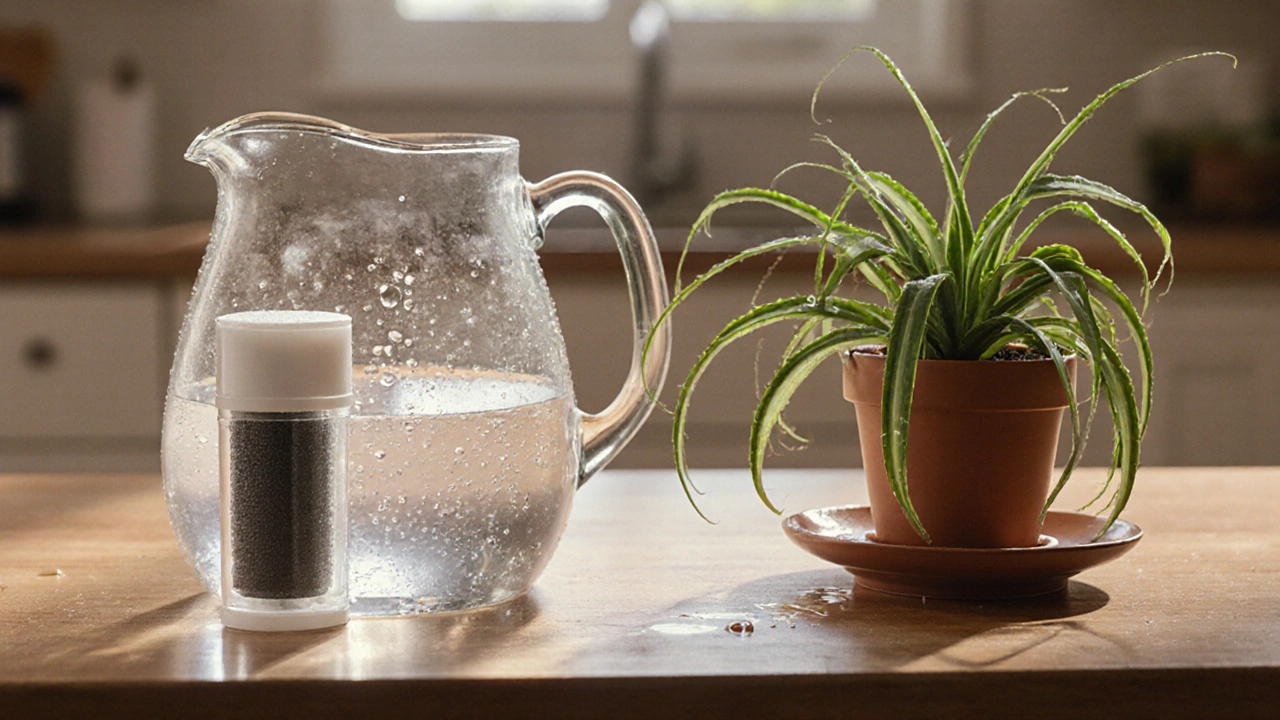
What Is the Best Water for Houseplants? A Practical Guide
Discover the best water for houseplants, compare tap, rain, distilled and RO water, and learn easy tips to keep indoor plants thriving.
About
Indoor Plant Care
Latest Posts

What Not to Grow in a Greenhouse: Avoid These Flower Flops
By Alden Thorne Mar 24, 2025
How Deep to Plant Rice: Best Depths, Mistakes, and Expert Tips
By Alden Thorne Jul 11, 2025
How to Tell If Your Houseplant Needs Water: Simple Signs & Expert Tips
By Alden Thorne Jul 23, 2025