Grow Vegetables on Balcony: A Complete Starter Guide
When you hear grow vegetables on balcony, the idea of turning a tiny outdoor space into a fresh‑produce source. Also known as balcony vegetable gardening, it lets city dwellers enjoy home‑grown food without a yard. The main draw is the ability to control what you eat while keeping the setup low‑cost and low‑maintenance. A sunny balcony, a few trays, and the right plant choices can yield leafy greens, herbs, and even small fruit in months. The biggest challenges are limited space, wind exposure, and weight limits—issues you can solve with smart planning and the right tools.
Key Considerations for Balcony Veg Gardening
One of the first decisions is the growing method. container gardening uses pots, trays, or grow bags to hold soil and plants. It’s perfect for balconies because you can move containers to catch the sun or protect them from wind. Choose lightweight, breathable containers—plastic or fabric pots work well on balconies that can’t support heavy terracotta. Another game‑changer is a vertical garden adds height by stacking planters, trellises, or pocket systems. Vertical setups let you grow more in less floor area, ideal for narrow railings or wall‑mounted racks. Pair vertical planting with climbing beans, peas, or strawberries for a rush of harvest without crowding the deck. Soil mix matters just as much as the container. A light, well‑draining soil mix for balconies combines compost, coco peat, perlite, and a dash of sand prevents waterlogging and keeps the weight manageable. Mix one part compost, one part coco peat, and half that amount of perlite; add a sprinkle of sand if the mix feels too fluffy. This blend holds enough moisture for leafy greens yet dries quickly enough for herbs that dislike soggy roots. Watering should be frequent but shallow; a watering can with a rose head or a simple drip line works wonders. Keep an eye on the weather—rain can over‑saturate containers, so lift trays when heavy showers are forecast. Pests and plant health are next on the list. DIY natural pest control, like garlic spray or neem oil, can keep aphids and whiteflies at bay without harming beneficial insects. Companion planting also boosts yields: place basil next to tomatoes to repel pests, or grow marigolds alongside leafy greens for a natural bug barrier. Sustainable practices such as rainwater harvesting for irrigation and composting kitchen scraps reduce waste and lower your water bill. By combining these tactics—right containers, vertical space, a balanced soil mix, and eco‑friendly pest management—you’ll set up a thriving balcony garden that feeds you and brightens your space. Ready to see the ideas in action? Below you’ll find a curated collection of articles that walk you through each step, from choosing the perfect pots to mastering vertical planting, handling balcony‑specific pests, and scaling up your harvest. Dive in and turn your balcony into a fresh‑produce powerhouse.
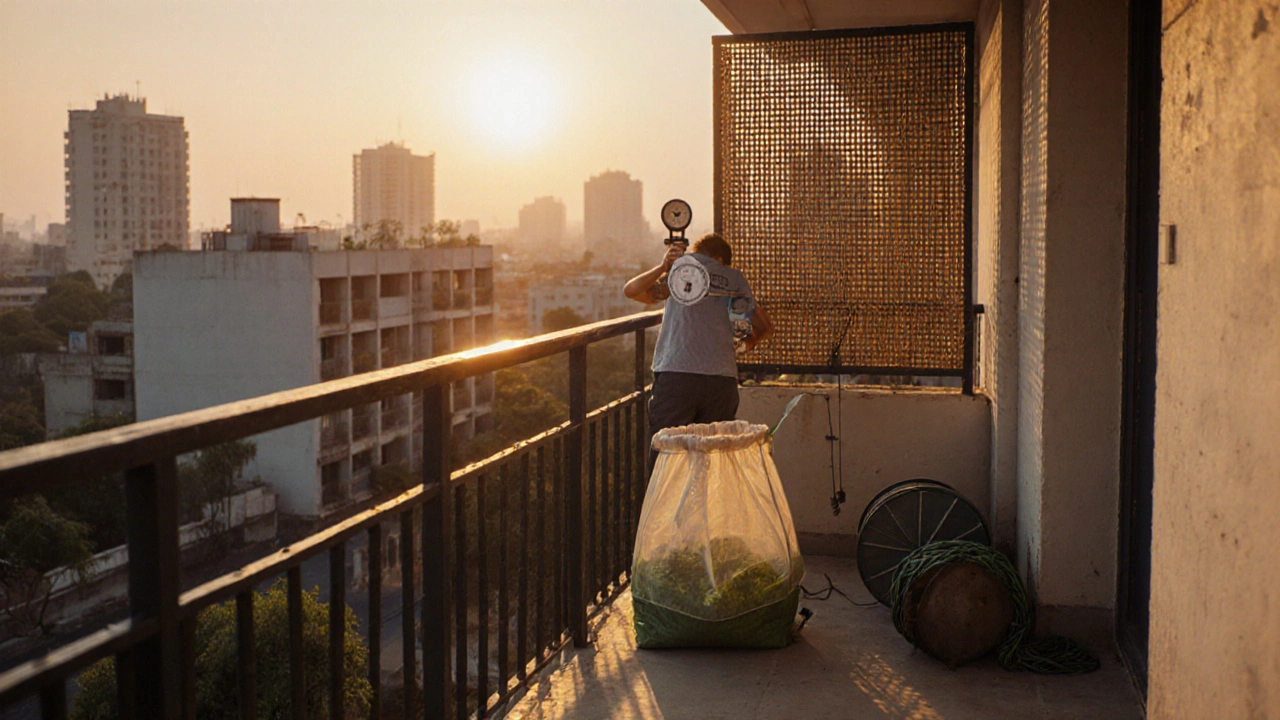
Balcony Gardening
0
Comments
How to Grow Vegetables on a Balcony: A Practical Guide
Learn how to grow vegetables on a balcony with step‑by‑step setup, container choices, soil mixes, watering, and pest control for fresh home‑grown produce.
About
Balcony Gardening
Latest Posts
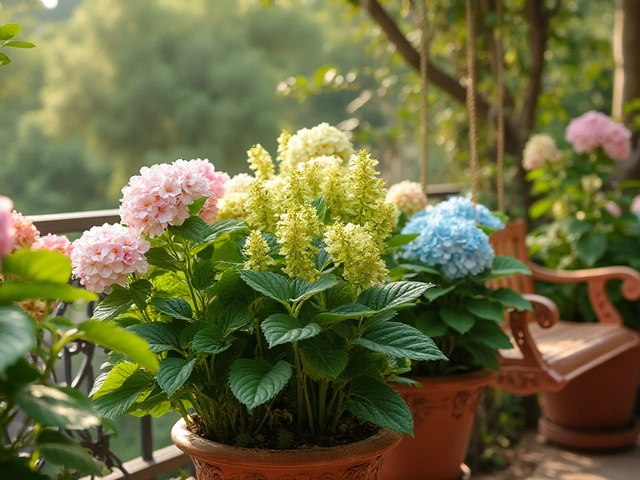
Avoiding Mistakes: Where Not to Plant Hydrangeas on Your Balcony
By Alden Thorne Nov 29, 2024

Why Is It Not Good to Keep Potted Plants Indoors at Night?
By Alden Thorne Jun 3, 2025
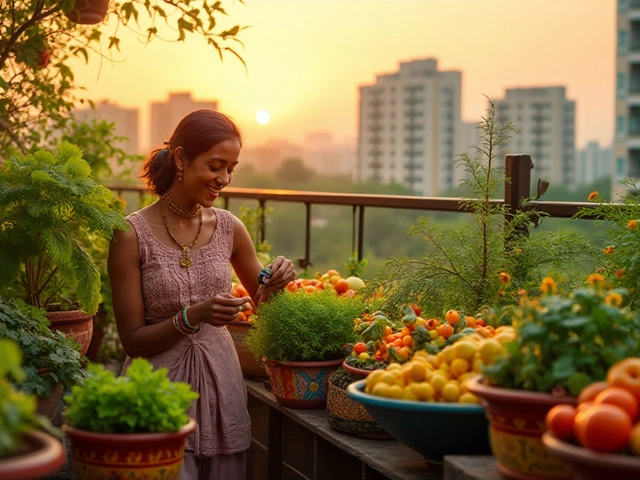
Best Fruits and Vegetables to Grow in Pots for a Thriving Balcony Garden
By Alden Thorne Jan 12, 2025