Gardening Myths Debunked: Truths Every Indian Gardener Needs to Know
When it comes to gardening myths, false beliefs passed down as facts that hurt plant health and waste time. Also known as garden folklore, these ideas often come from well-meaning neighbors or outdated manuals that never adjusted for India’s unique heat, monsoons, and soil types. You’ve probably heard that watering plants at noon kills them, or that cow dung is the only good fertilizer. But here’s the truth: most of these aren’t just outdated—they’re actively harming your garden.
Take soil myths, the mistaken ideas about what makes soil healthy for Indian gardens. Many think all soil needs is organic matter, so they pile on compost or manure until the roots drown. But in places like Chennai or Pune, heavy clay soils already hold too much water. Adding more organic material without drainage fixes can rot your plants. Meanwhile, in dry regions like Rajasthan, sandy soil needs more than just compost—it needs structure, like coco peat or perlite, to hold nutrients. The same goes for watering myths, the belief that plants need daily water no matter the weather. In monsoon-heavy zones, overwatering is the #1 killer of vegetables like tomatoes and chilies. And in cities, people water balconies every morning because they think plants "like" it—when in reality, many houseplants and herbs like the grandma plant, a hardy, low-water indoor green, thrive on neglect.
Then there’s the myth that more fertilizer equals more growth. You see it in every local nursery: someone pushing chemical blends for every plant, every week. But Indian soils, especially in the Deccan Plateau, are already rich in minerals. What they lack is balance. Too much nitrogen burns roots, and too little phosphorus stops flowering. The real fix? Test your soil before adding anything. And if you’re growing on a rooftop or balcony, you’re not just fighting myths—you’re fighting weight limits, wind, and sun angles. That’s why guides on rooftop garden soil depth and balcony vegetable gardening matter more than ever.
These aren’t just small misunderstandings. They’re the reason so many Indian gardeners give up after a season. You plant tomatoes, follow the "rules," and get nothing but yellow leaves. You buy expensive tools, only to find your neighbor growing the same crop with a stick and a bucket. The truth? Success in Indian gardening isn’t about following tradition—it’s about understanding your microclimate, your soil, and your plant’s real needs. The posts below cut through the noise. You’ll find real fixes for common problems, from natural pest control that actually works to why broccoli costs so much and how to grow it cheaper. No fluff. No guesswork. Just what works in India’s heat, rain, and concrete jungles.
Vegetable Gardening
0
Comments
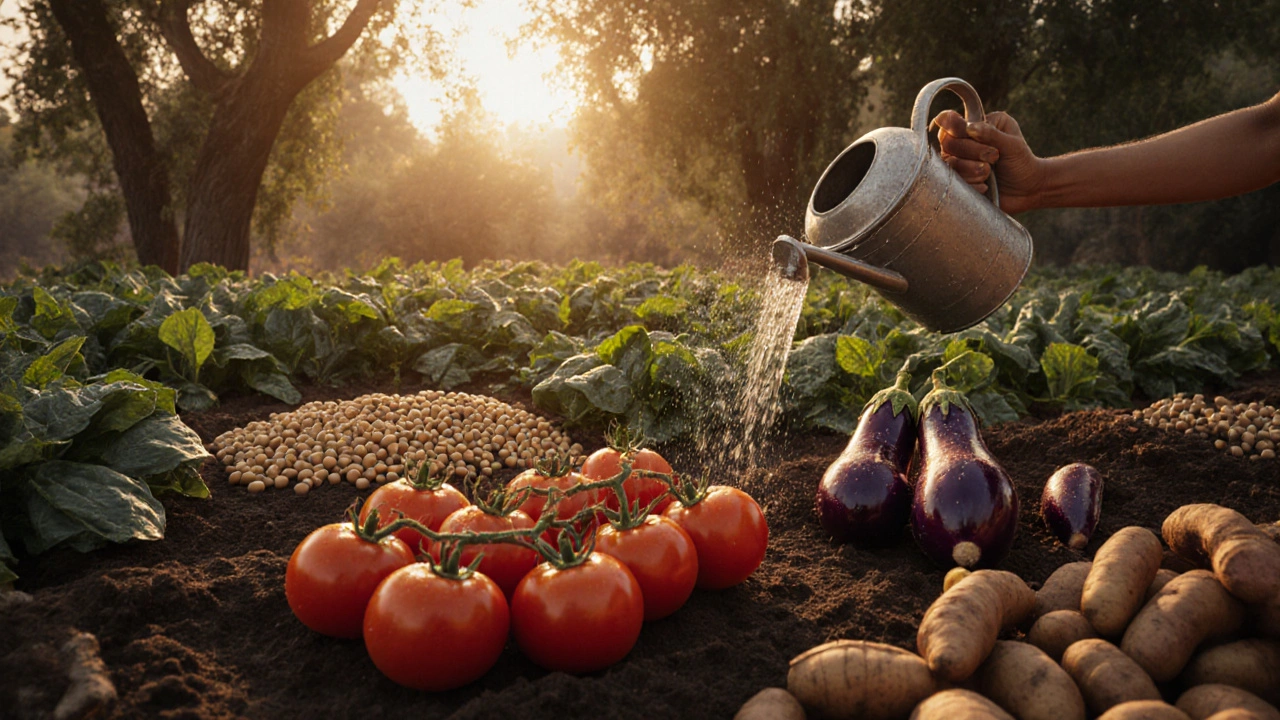
What Is the One Vegetable That Damages Your Insides? The Truth About Nightshades in Indian Gardens
No single vegetable damages your insides - but myths about nightshades like tomatoes and potatoes persist. Learn the truth behind digestive complaints, how soil health affects plant safety, and what really causes discomfort in Indian home gardens.
About
Vegetable Gardening
Latest Posts

Best Gardening Tool for Preparing a Vertical Garden
By Alden Thorne Mar 6, 2026
How to Break Up a Large Garden: Best Tools for the Job
By Alden Thorne Feb 11, 2025
The Hidden Drawbacks of Rooftop Farming
By Alden Thorne Sep 30, 2025