Distilled Water Houseplants: Essential Tips for Healthy Indoor Greens
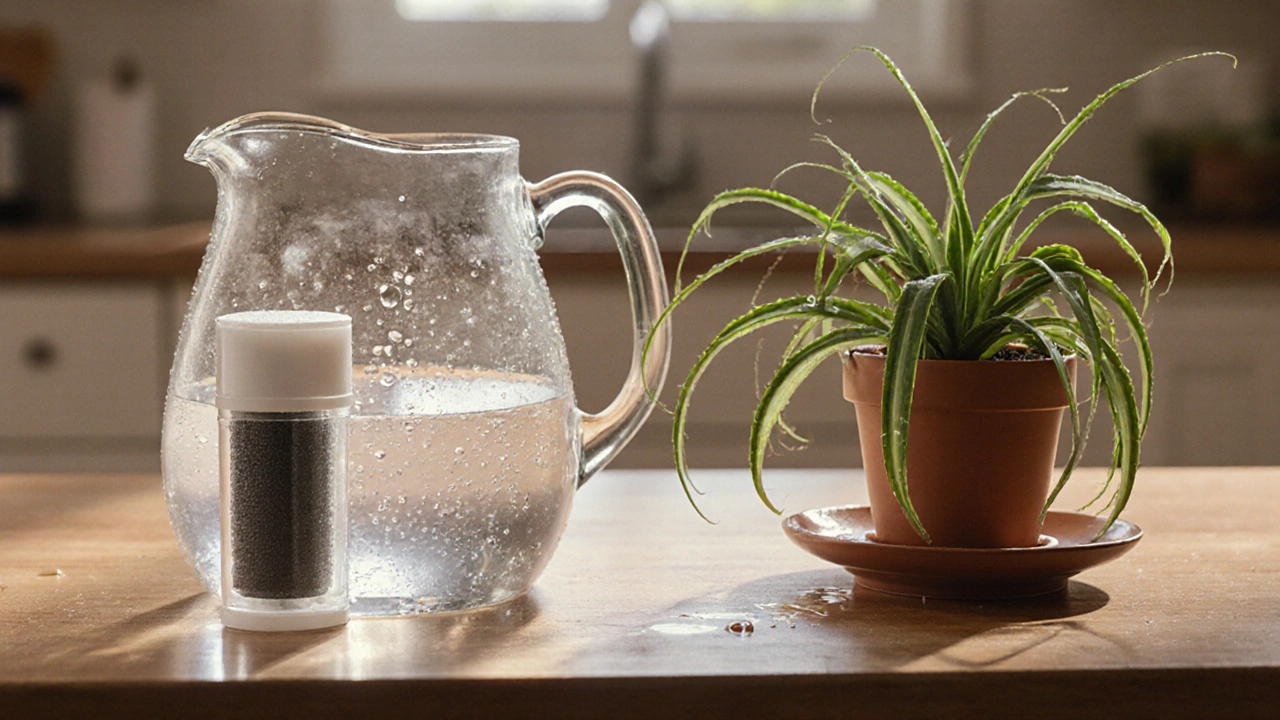
When working with distilled water houseplants, using pure, mineral‑free water to nourish indoor plants. Also known as purified water for houseplants, it helps prevent salt buildup and keeps foliage looking fresh.
Every indoor gardener quickly discovers that houseplants, plants grown inside homes or offices have unique water needs compared to outdoor gardens. They live in confined soil volumes, limited airflow, and often receive tap water that contains calcium, magnesium, and chlorine. Over time, those minerals can coat roots, clog pores, and cause yellowing leaves. Understanding this link is why water quality becomes a core factor in plant health.
Pure distilled water, water that has been boiled and condensed to remove all dissolved solids eliminates the risk of mineral accumulation. When you replace regular tap water with distilled water, you see less leaf edge burn and fewer brown spots caused by salt stress. This simple swap also benefits sensitive species like calatheas and ferns that react strongly to hard water.
Key considerations when using distilled water
Even though distilled water is gentle, you still need to water correctly. Plants require a balance of moisture and air; over‑watering leads to root rot, while under‑watering causes drought stress. Use a pot with good drainage, let the top inch of soil dry between drinks, and adjust frequency based on temperature and light. The right watering schedule works hand‑in‑hand with water quality to keep roots healthy.
Soil composition plays a huge role. A well‑aerated mix—like a blend of peat, perlite, and coarse sand—helps excess water drain quickly, preventing the pure water from sitting too long and creating a soggy environment. Adding a thin layer of organic mulch on top can retain just enough moisture without making the mix too dense.
Humidity is another hidden player. Indoor air can be dry, especially in winter, and plants often lose more water through their leaves than they absorb from the soil. Using a humidifier or placing a tray of water nearby can raise ambient humidity, allowing the distilled water you provide to be used efficiently rather than evaporating too fast.
Common mistakes include mixing distilled water with tap water, assuming you can water less often, or ignoring the plant’s specific needs. If leaves start to look limp or develop brown tips, check the pot’s drainage holes, verify you’re not letting the soil stay wet for days, and consider whether the plant prefers a slightly more mineral‑rich water source—some tropical species actually benefit from a tiny amount of fertilizer in the water.
Below you’ll find a curated set of articles that dive deeper into these topics. From beginner-friendly houseplant guides to advanced soil amendment tricks, each post offers actionable advice you can apply right away. Browse the collection to build a watering routine that matches your space, plant types, and lifestyle, and watch your indoor garden flourish.
Indoor Plant Care
0
Comments
What Is the Best Water for Houseplants? A Practical Guide
Discover the best water for houseplants, compare tap, rain, distilled and RO water, and learn easy tips to keep indoor plants thriving.
About
Indoor Plant Care
Latest Posts
Year-Round Flowering Plants in India: A Gardener's Guide
By Alden Thorne Dec 30, 2024

How Many Acres of Rice Are Needed to Feed One Person?
By Alden Thorne Oct 28, 2025

Drip Irrigation Drawbacks: What You Need to Know
By Alden Thorne Feb 14, 2025