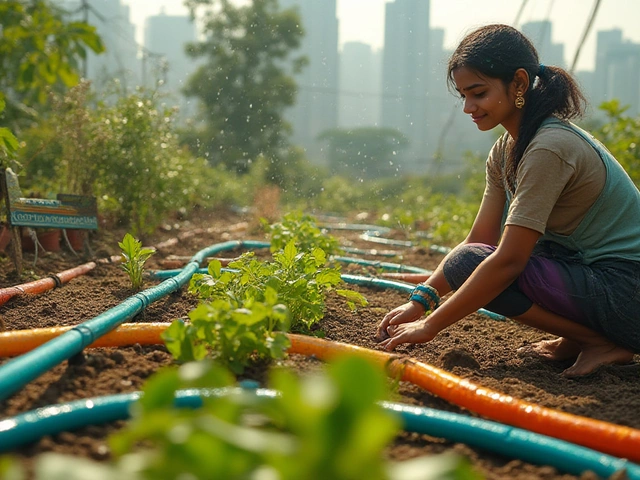
Compost Tips: Easy Steps for Healthier Soil
Ever wondered why some gardens look so lively while yours feels a bit tired? The secret often lies in the soil. Adding homemade compost can turn ordinary dirt into a nutrient‑rich bed that feeds plants, saves water, and cuts down waste. The good news? You don’t need fancy equipment or a huge space – just a few simple habits.
First, think of compost as a kitchen‑to‑garden recycle loop. Every vegetable peel, tea bag, or dry leaf you toss can become food for your soil microbes. Those microbes break down the material and release nutrients that roots love. The trick is to keep the mix balanced, moist, and aerated so the process stays fast and odor‑free.
Start a Simple Compost Bin
Pick any sturdy container – a plastic bin with a lid, a wooden crate, or even a simple pit in the garden. Drill a few holes on the sides for airflow. Add a layer of coarse material like dry leaves or broken bricks at the bottom; this helps drainage and airflow.
Now alternate “green” and “brown” layers. Greens are wet items: kitchen scraps, fresh garden waste, coffee grounds. Browns are dry: dry leaves, shredded newspaper, straw. Aim for roughly three parts brown to one part green. This ratio supplies carbon and nitrogen in the right balance, keeping the pile from turning slimy or smelling bad.
Moisture is key – the pile should feel like a wrung‑out sponge. If it’s too dry, sprinkle water; if too wet, add more brown material. Turn the pile every week with a garden fork or a simple stick. Turning introduces oxygen, speeds up decomposition, and prevents hot spots that can kill beneficial microbes.
Use Compost Effectively
After about four to eight weeks, the material will look dark, crumbly, and smell earthy. That’s your finished compost. Spread a thin layer (about half an inch) over garden beds before planting. It improves soil structure, holds moisture, and feeds seedlings with slow‑release nutrients.
For potted plants, mix a tablespoon of compost into the potting mix each month. This gives houseplants a natural boost without over‑feeding. You can also make a simple liquid fertilizer by soaking a handful of compost in a bucket of water for a day, then strain and water your plants with the brew.
Avoid common mistakes: don’t add meat, dairy, or oily foods – they attract pests and slow down the process. Keep the bin covered to stay tidy and retain heat. If you notice flies, add more brown material and turn the pile more often.
Finally, remember that composting is a learning loop. Each season you’ll see what works best for your climate, waste habits, and garden type. Start small, stay consistent, and watch your garden become greener, healthier, and more productive with every batch of compost you make.
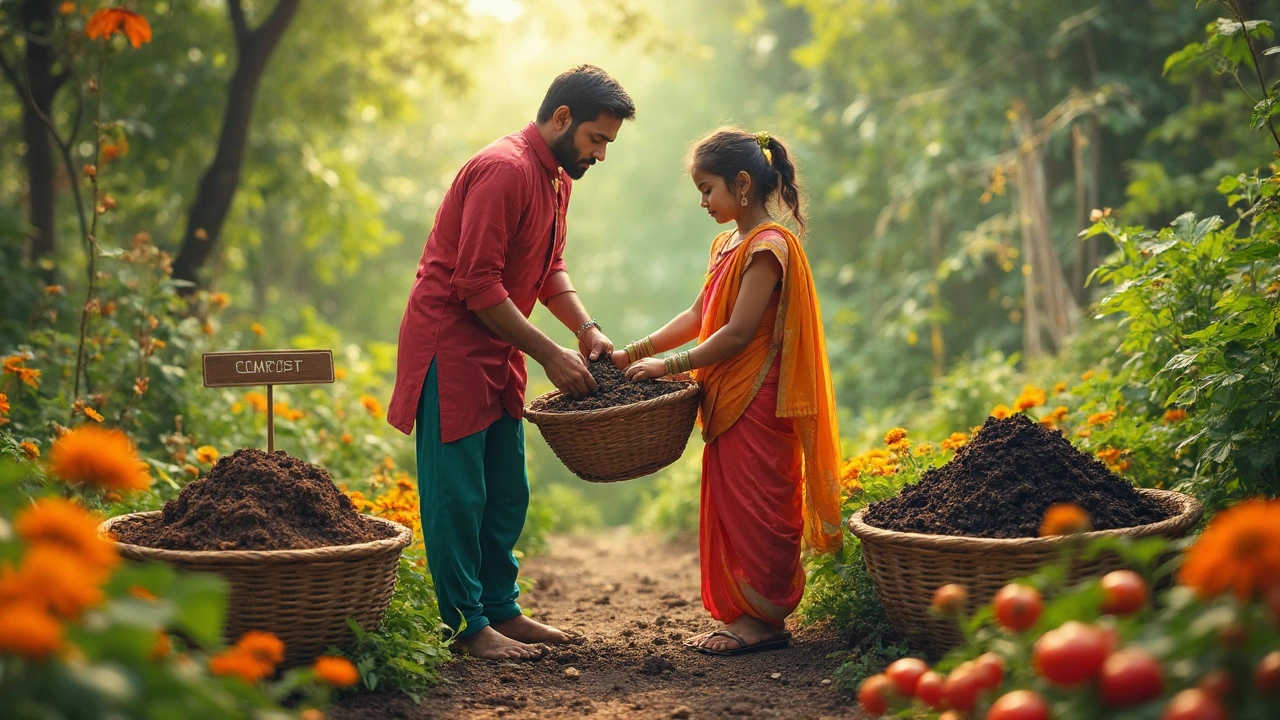
Composting
0
Comments
Compost vs Organic Compost: What Really Sets Them Apart?
People often mix up compost and organic compost, but there’s a clear line between the two. This article breaks down the details, showing what really makes compost and organic compost different. You’ll get practical tips for making both at home and advice on picking the right option for your garden. Discover common mistakes, smart ways to boost your soil quality, and learn how the rules around these labels actually work. Expect plenty of straight answers and hands-on facts you can use.
About
Composting
Latest Posts


Onions on Your Feet: Does This Old Trick Actually Work?
By Alden Thorne May 6, 2025
What Is the Easiest Fruit Tree to Keep Alive on a Balcony?
By Alden Thorne Nov 17, 2025

Best Orientation for Your Kitchen Garden: Maximize Sunlight and Growth Success
By Alden Thorne Feb 20, 2025