Breaking Up Compacted Soil: How to Fix Hard, Unworkable Garden Ground
When your soil feels like concrete, and water pools on top instead of soaking in, you’re dealing with compacted soil, soil that’s been pressed down so tightly that air, water, and roots can’t move through it. Also known as dense soil, it’s one of the most common reasons plants fail—even when you water and fertilize regularly. In India, where clay-heavy soils are widespread and heavy foot traffic or rain erosion adds pressure, compacted soil ruins root systems, blocks drainage, and starves plants of oxygen. It’s not just a nuisance—it’s a silent killer in kitchen gardens, balconies, and terrace farms.
Soil structure, how soil particles clump together to form spaces for air and water is the key. Healthy soil looks like crumbs—not powder, not bricks. Garden soil aeration, the process of creating openings in the soil to restore airflow and water flow isn’t just about poking holes. It’s about rebuilding the soil’s natural biology. Worms, fungi, and microbes need oxygen. When soil is compacted, they die off. And without them, nutrients lock up. You might be adding compost, but if the soil’s too hard, your plants can’t reach it. That’s why breaking up compacted soil isn’t a one-time fix—it’s a recurring practice, especially in high-use areas like raised beds, balcony planters, or near garden paths.
Fixing this starts with knowing how it happened. Did you walk on wet soil? Use heavy pots without drainage? Skip mulch? In Indian climates, monsoon rains slam down hard, and dry spells bake the surface. Over time, the top layer turns to dust, and below it, the clay seals shut. The solution? Don’t just dig. Start with a garden fork—no power tools. Push it deep, wiggle it gently, and lift. Repeat every few inches. Then, mix in coarse sand or well-rotted compost. That’s not filler—it’s a sponge. It holds air, lets roots spread, and feeds microbes. For balconies and rooftops, use lightweight growing media instead of heavy garden soil. And never work soil when it’s wet. If it sticks to your shovel, wait a few days.
What you’ll find in the posts below are real, tested fixes from Indian gardeners who’ve faced this exact problem. From using pebble trays to improve moisture balance, to choosing the right soil depth for rooftop gardens, to growing veggies in containers without compacted dirt—each guide tackles a piece of the puzzle. You’ll see how tomato growers in Maharashtra break up clay, how balcony gardeners in Delhi avoid waterlogging, and why marigolds thrive where other plants die. This isn’t theory. It’s what works on the ground, in Indian weather, with Indian soil.
Garden Tools
0
Comments
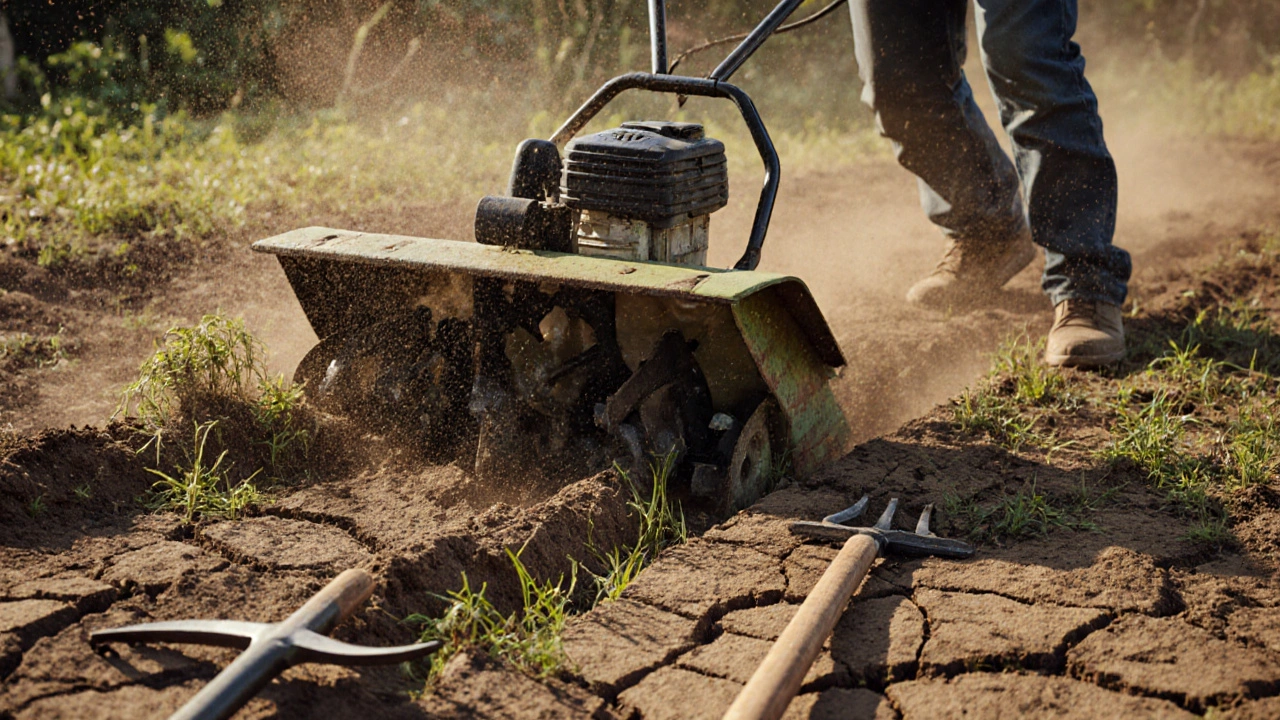
Will a Tiller Break Up Hard Soil? Here's What Actually Works
Will a tiller break up hard soil? It depends on the type of tiller, soil condition, and prep work. Learn what actually works to turn compacted earth into garden-ready soil.
About
Garden Tools
Latest Posts

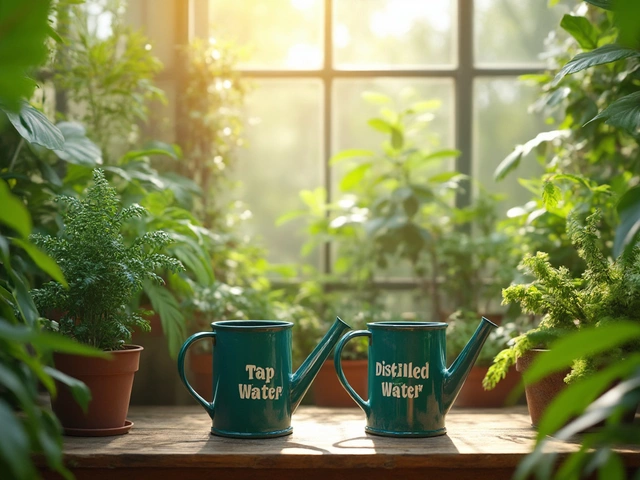
Is Distilled Water the Same as Tap Water for Your Indoor Plants?
By Alden Thorne Apr 15, 2025
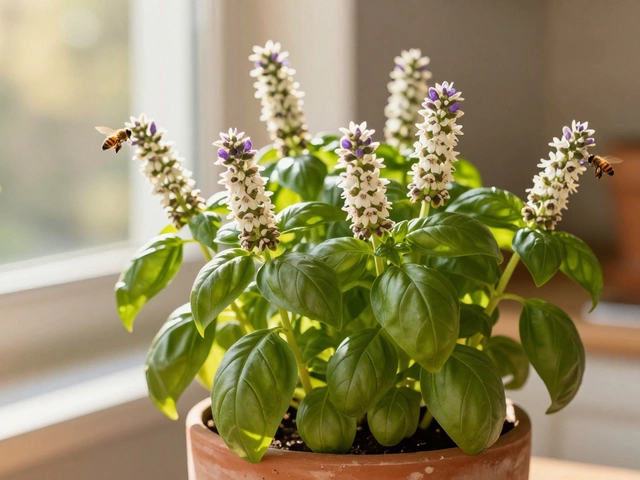
What Is the Most Underrated Flower for Kitchen Gardening?
By Alden Thorne Jan 6, 2026

Which Ethnicity Consumes the Most Rice Daily?
By Alden Thorne Mar 16, 2025