Balcony Garden Direction: Best Orientation for Sun, Plants, and Growth in India
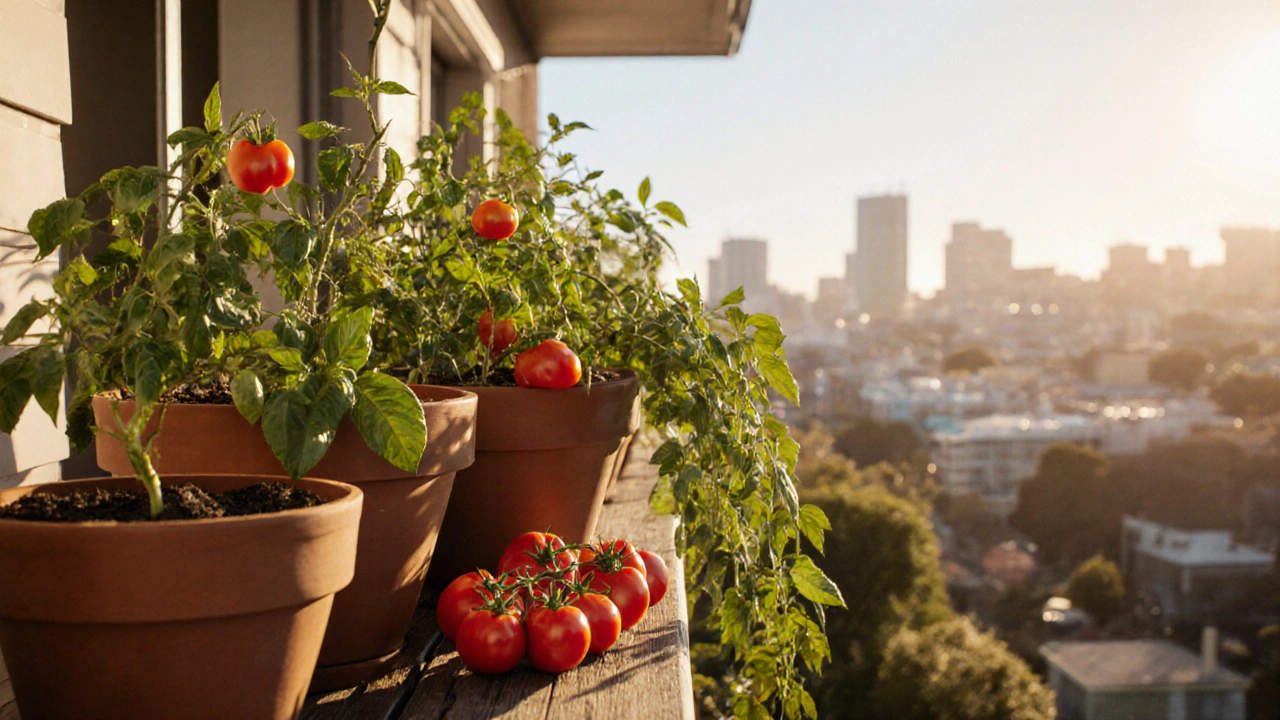
When you’re growing plants on a balcony, balcony garden direction, the side of your balcony that faces the sun and wind. Also known as balcony orientation, it determines whether your tomatoes thrive or your herbs turn pale and weak. In India, where sunlight is strong and balconies are often small, getting this right makes all the difference. A north-facing balcony might look shady and safe, but it’s the worst spot for most edible plants. A south-facing one? That’s your golden ticket—if you live north of the equator.
Most vegetables and flowering plants need at least 5 to 6 hours of direct sun daily. That means you want your pots catching the sun from morning to mid-afternoon. In cities like Delhi, Mumbai, or Bangalore, a south-facing balcony, the side that gets the most consistent sunlight in the Northern Hemisphere. It’s the most reliable spot for growing tomatoes, chillies, and even dwarf citrus trees. East-facing balconies get gentle morning sun—perfect for leafy greens like spinach, coriander, and lettuce that bolt fast in hot afternoons. West-facing? That’s the oven. It bakes plants in the late afternoon heat, especially in summer. Only tough plants like cactus, aloe, or rosemary survive there without shade cloth.
Wind matters too. Balconies on the top floor catch strong winds, especially near the coast. That can dry out soil fast and snap thin stems. If your balcony faces the prevailing wind (often west or northwest in many Indian cities), use tall plants like bamboo or trellised beans as windbreaks. Don’t forget your building’s shadow. A tall neighbor or a nearby tower can block sun for hours. Map your balcony’s light pattern over a full day. Take a photo every few hours for a day or two. You’ll see exactly where the sun lands—and where nothing grows.
And don’t assume all balconies are the same. A small 5x5 ft balcony in Chennai behaves differently than a wide 10x15 ft one in Pune. Container size, soil depth, and even the color of your pots affect heat retention. Dark pots get hotter, drying soil faster. Light-colored pots reflect heat. Use that to your advantage. Place heat-loving plants like eggplant or okra in darker pots on the sunniest spot. Put cool-weather herbs like mint or parsley in lighter pots on the edge where it’s slightly shadier.
You’ll find posts here that show you how to grow tomatoes in pots, pick the best fruit trees for small spaces, and use drip irrigation to save water on a windy balcony. You’ll also learn why some plants die even when you water them every day—because their direction was wrong. This isn’t about fancy tools or expensive soil. It’s about matching the right plants to the right side of your balcony. Get that right, and you’ll cut your failures in half, grow more food, and spend less time fixing problems.
Balcony Gardening
0
Comments
Best Balcony Garden Direction for Sunlight and Plant Growth
Find out which balcony direction gives the best sunlight for plants in Auckland. Learn what to grow on north, south, east, and west-facing balconies for healthy, thriving gardens.
About
Balcony Gardening
Latest Posts
Drip Irrigation: Which Type Really Saves You Money?
By Alden Thorne Jun 23, 2025

Most Beautiful Flower in the World: Types, Facts, and Gardening Tips
By Alden Thorne Jul 31, 2025
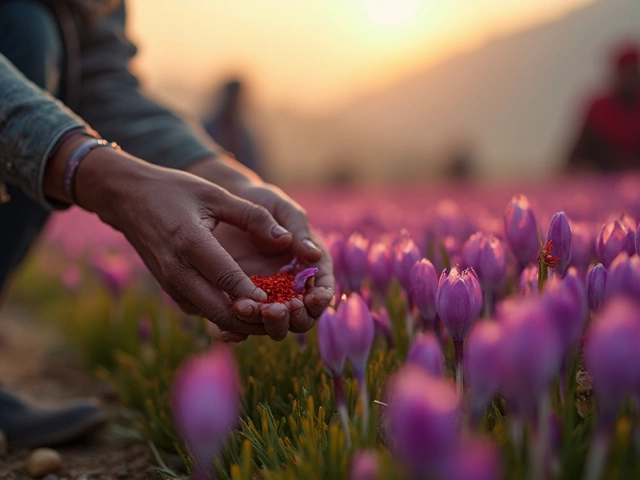
Most Expensive Flower in India: Saffron Magic and Mystique
By Alden Thorne May 5, 2025