Garden Soil Improvement Calculator
Determine the best method for improving your soil based on your garden type and current conditions.
You stare at your garden bed. The plants look tired. The ground feels hard as concrete when you try to dig. Your instinct tells you to buy a bag of rich, dark topsoil and spread it over the mess. It seems like the logical fix, right? Add good stuff to bad stuff, and you get better results.
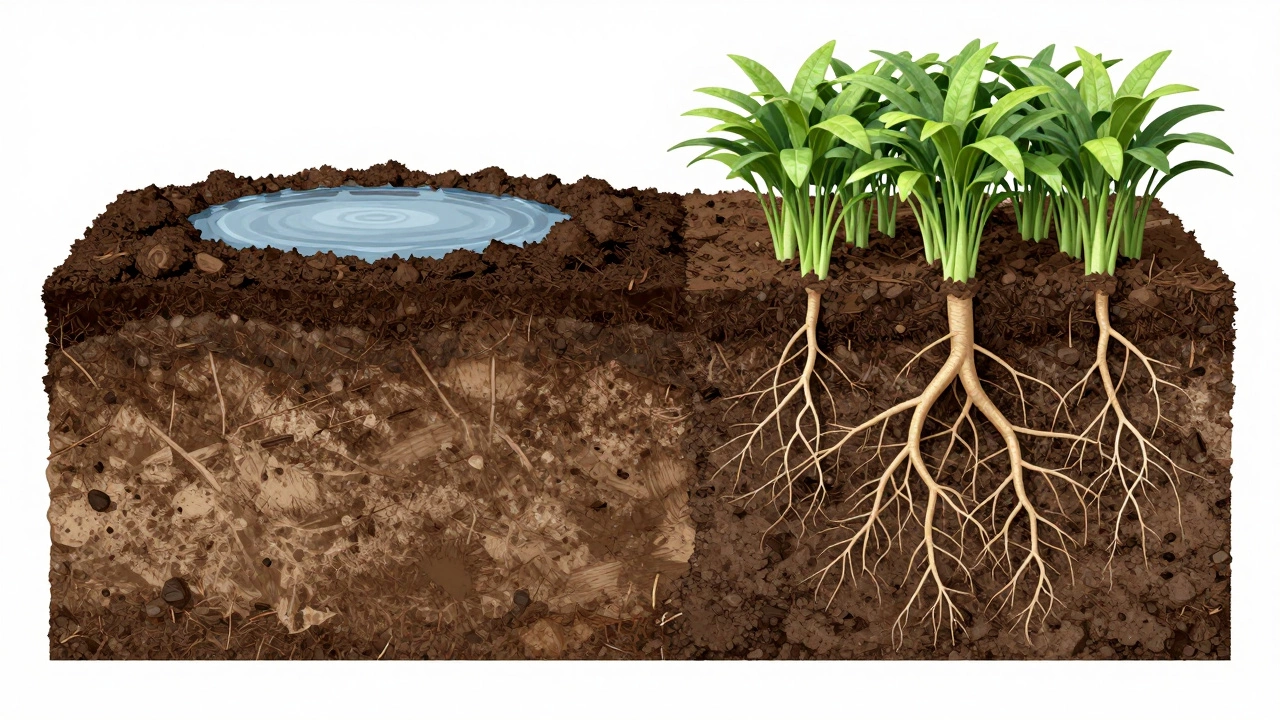
But here is the trap: dumping fresh topsoil is the uppermost layer of earth that contains organic matter and nutrients essential for plant growth on top of compacted native dirt often creates a two-layer disaster. Roots hit that hard barrier and stop growing. Water pools on the surface instead of soaking down. You end up with a lawn or garden that looks worse than before, not better.
The real question isn't just "should I add topsoil?" It is "how do I integrate new material so my plants actually thrive?" Mixing topsoil with your existing soil can work wonders if you do it correctly. Done poorly, it wastes money and damages your landscape. Let’s break down exactly how to improve your garden soil without creating more problems.
Why Your Native Soil Needs Help (And Why Topsoil Isn’t Magic)
Before you open your wallet, understand what you are dealing with. Native soil-the dirt already under your feet-is rarely useless. Even poor clay or sandy soil has structure. The problem usually isn't a lack of minerals; it’s a lack of life and structure.
When we talk about soil compaction is a condition where soil particles are pressed together, reducing pore space and limiting air and water movement, we are talking about physics. Heavy foot traffic, machinery, or even rain can squeeze the air out of the ground. Plants need oxygen just like we do. If the pores in the soil are crushed shut, roots suffocate.
Fresh topsoil is great, but it is heavy. If you lay six inches of topsoil over six inches of compacted clay, you haven’t fixed the drainage. You’ve just created a shallow container. When it rains, water fills that top layer and stays there because it can’t penetrate the hardpan below. This leads to root rot, fungal diseases, and stunted growth. It’s like trying to drink a thick shake through a straw that’s been stepped on.
To Mix or Not to Mix? The Decision Framework
So, should you mix? The answer depends on your goal. Here is the simple rule:
- For Lawns: Do NOT mix deep layers. Use topdressing instead. Mixing soil into a grassy area kills the grass by burying the crowns.
- For New Garden Beds: YES, mix thoroughly. You want a homogeneous blend from the surface down to 12-18 inches.
- For Established Perennials: Be careful. Digging deeply disrupts established root systems. Use surface mulching or gentle incorporation.
If you are starting a new vegetable patch or flower bed from scratch, mixing is your best friend. You want to create a unified medium where roots can wander freely. If you are maintaining an existing lawn, mixing is the wrong tool. In that case, you want to aerate and topdress.
How to Properly Mix Topsoil with Existing Soil
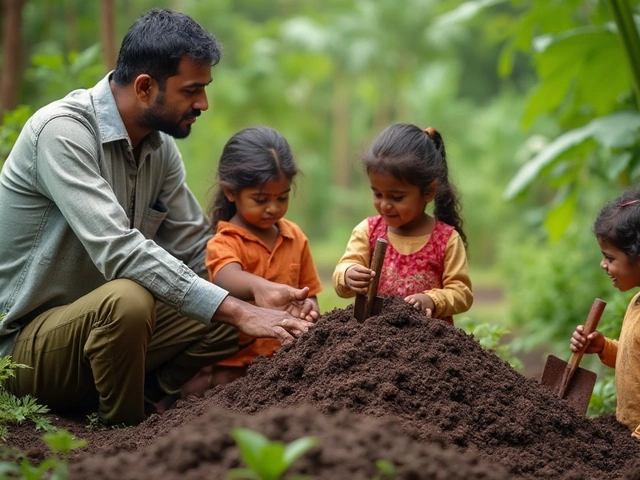
If you have decided to mix, follow these steps to ensure success. This process turns a patch of stubborn dirt into a thriving ecosystem.
- Test Your Soil First. Before buying anything, check your pH and nutrient levels. A simple test kit costs less than a bag of soil. If your soil is too acidic, adding lime might be more important than adding topsoil.
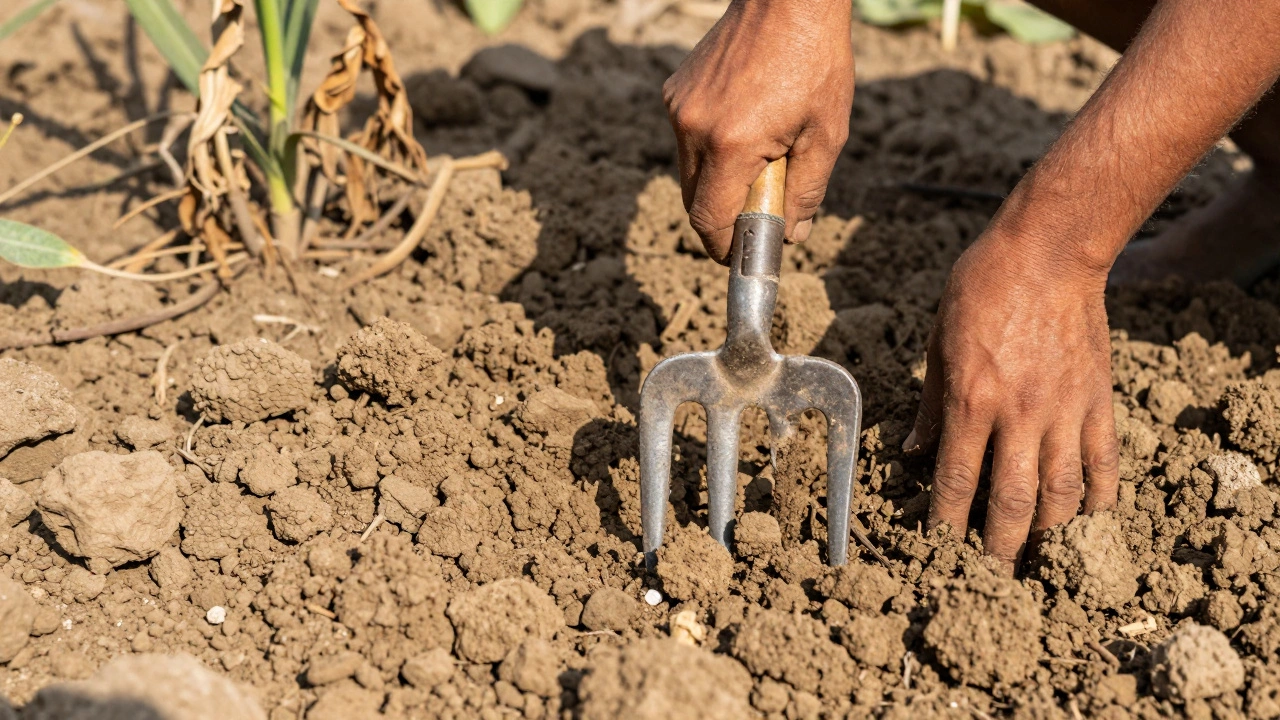
- Aerate the Ground. Use a garden fork or a mechanical aerator to loosen the existing soil. Break up large clods. This step is crucial because it allows the new material to sink in rather than sit on top.
- Add Organic Matter, Not Just Dirt. Pure topsoil is often sterile. Mix in compost. Compost adds beneficial microbes, earthworms, and slow-release nutrients. A good ratio is 30% compost to 70% topsoil/native soil blend.
- Incorporate Deeply. Don’t just rake it in an inch deep. Turn the soil over completely. You want the new mixture integrated down to at least 12 inches. This encourages roots to grow deep, making plants more drought-resistant.
- Water Thoroughly. After mixing, water the area heavily. This helps settle the soil and activates the microbial life in the compost.
Think of this like baking a cake. If you dump the dry ingredients on top of the wet batter and don’t stir, you get a lumpy mess. You need to fold everything together until it’s uniform.
| Method | Best For | Pros | Cons |
|---|---|---|---|
| Mixing Topsoil & Compost | New beds, veggie patches | Immediate structure improvement, deep root growth | Labor intensive, disturbs existing roots |
| Topdressing | Lawns, established gardens | Non-invasive, improves drainage gradually | Takes longer to see results |
| No-Dig Mulching | Perennials, eco-friendly gardens | Promotes soil biology, retains moisture | Slowest method, requires patience |
The Secret Ingredient: Compost Over Topsoil
Here is a pro tip that many beginners miss: topsoil is just dirt. It has texture, but it doesn’t necessarily have food. Compost is decomposed organic matter that enriches soil with nutrients and beneficial microorganisms. If you have a choice between buying expensive screened topsoil or high-quality compost, choose compost.
You can mix compost directly into your existing native soil. No need to import tons of dirt. Compost improves both sandy soils (by helping them hold water) and clay soils (by breaking them apart). It’s the universal adapter for garden soil. In Auckland, where our soils range from volcanic loam to heavy coastal clay, compost is the equalizer.
If your budget allows, aim for a blend. Use local topsoil to fill volume and raise levels, but use compost to feed the soil. Never use pure peat moss as a standalone amendment; it dries out quickly and becomes hydrophobic, repelling water when dry.
Common Mistakes to Avoid
I see these errors constantly in home gardens. Avoid them to save time and money.
- Using Bagged "Garden Soil" for Lawns. Bagged mixes are often designed for containers. They contain perlite and vermiculite which wash away in rain. Use raw topsoil or compost for landscapes.
- Ignoring Drainage. If your yard floods after every rain, mixing soil won’t fix it. You may need French drains or raised beds. Adding soil to a swamp just makes a bigger swamp.
- Over-Compacting During Work. Once you loosen the soil, don’t walk on it repeatedly. Wet soil compresses easily. Do all your digging while the soil is moist, not soggy.
- Skipping the Curing Period. Fresh manure-based compost can burn plants. Ensure your compost is fully cured (dark, crumbly, smells earthy) before mixing it in.
When to Call a Professional
Sometimes DIY hits a wall. If you have severe erosion, contaminated soil (from old industrial sites), or a slope that keeps sliding, call a landscaper. They have access to heavy equipment that can grade and terrace land properly. Also, if you suspect asbestos or lead contamination (common in older urban areas), do not dig it yourself. Get a professional assessment first.
For most home gardeners, however, the tools you need are simple: a spade, a rake, a wheelbarrow, and some elbow grease. The key is consistency. Improving soil is a marathon, not a sprint. But once you get that first crop of tomatoes or that lush patch of clover, you’ll know it was worth it.
Can I mix topsoil with clay soil?
Yes, but you must mix in organic matter like compost. Clay soil holds water well but lacks aeration. Adding compost breaks up the clay particles, improving drainage and root penetration. Do not just add sand to clay, as this can create a concrete-like substance known as adobe.
How much topsoil should I add to my garden?
For new beds, aim for a depth of 6 to 12 inches of mixed soil. For existing beds, a top dressing of 1 to 2 inches of compost or topsoil worked gently into the top few inches is sufficient. More is not always better; deep roots need stability.
Is it better to till or no-till?
Tilling (mixing) is faster for establishing new beds. No-till methods are better for long-term soil health and preserving microbial networks. If you have established perennials, avoid tilling. For new vegetable plots, a one-time deep till followed by no-till maintenance is a great hybrid approach.
What is the difference between topsoil and potting mix?
Topsoil is dense and meant for the ground. Potting mix is lightweight, soilless, and designed for containers to prevent compaction. Never use potting mix for large garden beds as it will wash away and cost a fortune. Never use pure topsoil in pots as it will compact and suffocate roots.
How long does it take for mixed soil to settle?
Expect soil to settle by 10-20% over the first few months due to watering and gravity. Always add a little extra soil than you think you need. Wait at least 2-4 weeks after mixing before planting sensitive seedlings to allow the soil structure to stabilize.