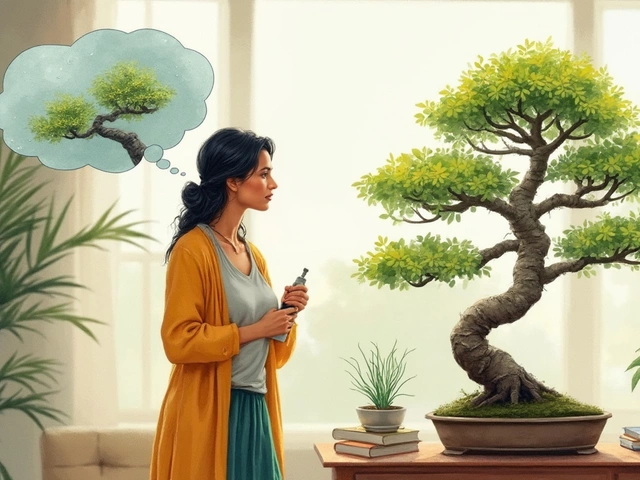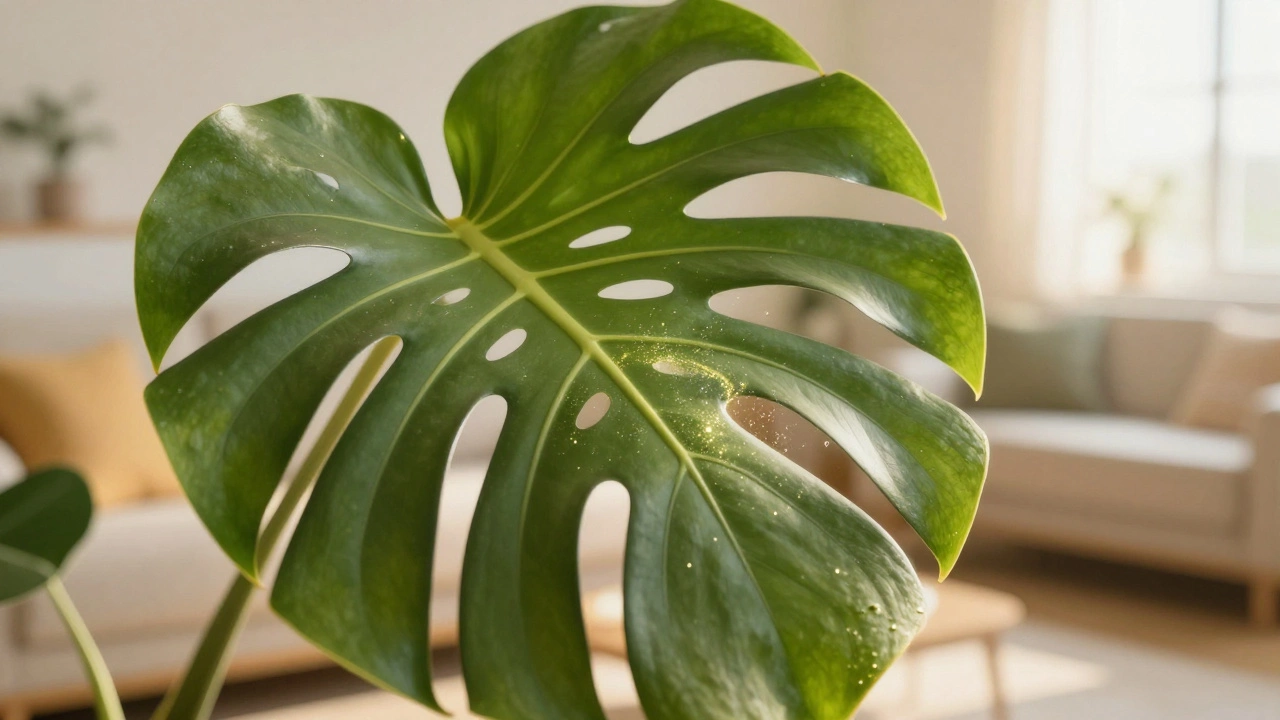
Most people think plants just 'breathe' oxygen, but it's actually the opposite. They take in carbon dioxide and release the oxygen we need to survive. This is the heart of a process called photosynthesis, which is essentially the plant's way of cooking. Without enough of this gas, your indoor plants would literally starve, no matter how much you water them.
The Secret Recipe for Plant Food
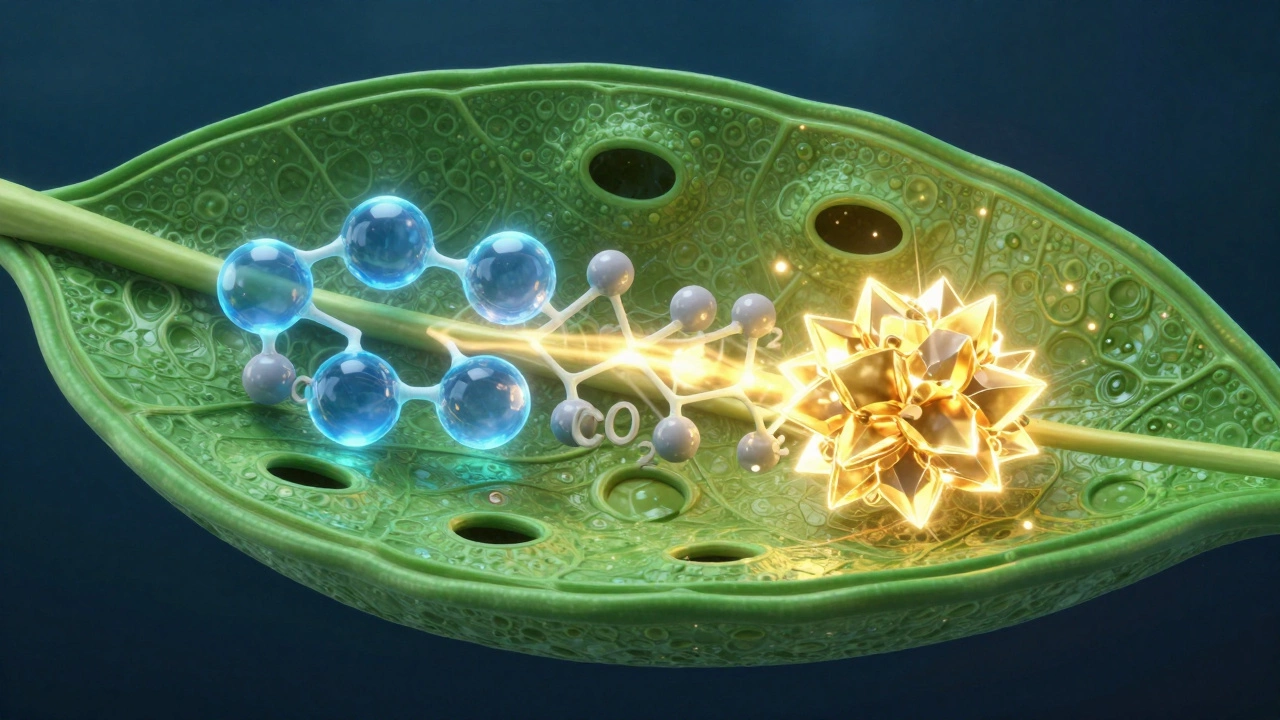
To understand how a plant uses gas to make food, you have to look at the raw ingredients. Plants don't 'eat' soil; they use soil for stability and minerals. Their actual energy comes from a chemical reaction. They take carbon dioxide from the air, water from the roots, and energy from light. Chlorophyll, the pigment that makes leaves green, acts as the solar panel that captures sunlight to power the whole operation.
When these three ingredients meet inside the leaf, a transformation happens. The plant breaks apart the carbon dioxide and water molecules and rebuilds them into glucose, a simple sugar. This sugar is the actual 'food' that the plant uses to grow new leaves, strengthen its stem, and produce flowers. Whatever sugar is left over gets stored as starch in the roots or tubers for later use.
How Carbon Dioxide Enters the Leaf
You might look at a leaf and see a solid surface, but it's actually full of tiny holes. These microscopic openings are called stomata. Think of them as little mouths that open and close to let gases in and out. When the stomata open to let carbon dioxide enter, some water vapor inevitably escapes. This is why your plants might wilt on a very hot day-they're trying to save water, but by closing their stomata, they also stop taking in the gas they need for food.
For indoor plant lovers, this is a crucial point. If the air in your home is too stagnant or the humidity is wildly off, the plant may struggle to regulate these openings. In a crowded room with poor ventilation, the CO2 levels in the immediate area around the leaves can actually drop, slowing down the growth rate of your favorite Monstera or Pothos.
The Role of Light in the Gas Exchange
Carbon dioxide alone isn't enough. The process is light-dependent. If you put a plant in a dark corner, it can't use the CO2 it absorbs. The sunlight provides the energy required to break the strong chemical bonds of the carbon dioxide molecule. This is why 'low light' plants still need *some* light; they aren't just surviving on air, they are calculating exactly how much gas they can process based on the available photons.
In a high-light environment, plants can process carbon dioxide much faster, which usually leads to faster growth. This is the logic behind professional greenhouses that use CO2 generators. By pumping extra carbon dioxide into the air, they essentially 'supercharge' the plants' ability to make food, resulting in larger yields and healthier foliage.
Comparing the Needs of Different Plants
Not every plant processes gas the same way. Some are 'gas-guzzlers' that grow rapidly in bright light, while others are slow and steady. Depending on the species, the efficiency of their photosynthesis varies.
| Plant Type | Light Requirement | CO2 Usage Rate | Growth Speed |
|---|---|---|---|
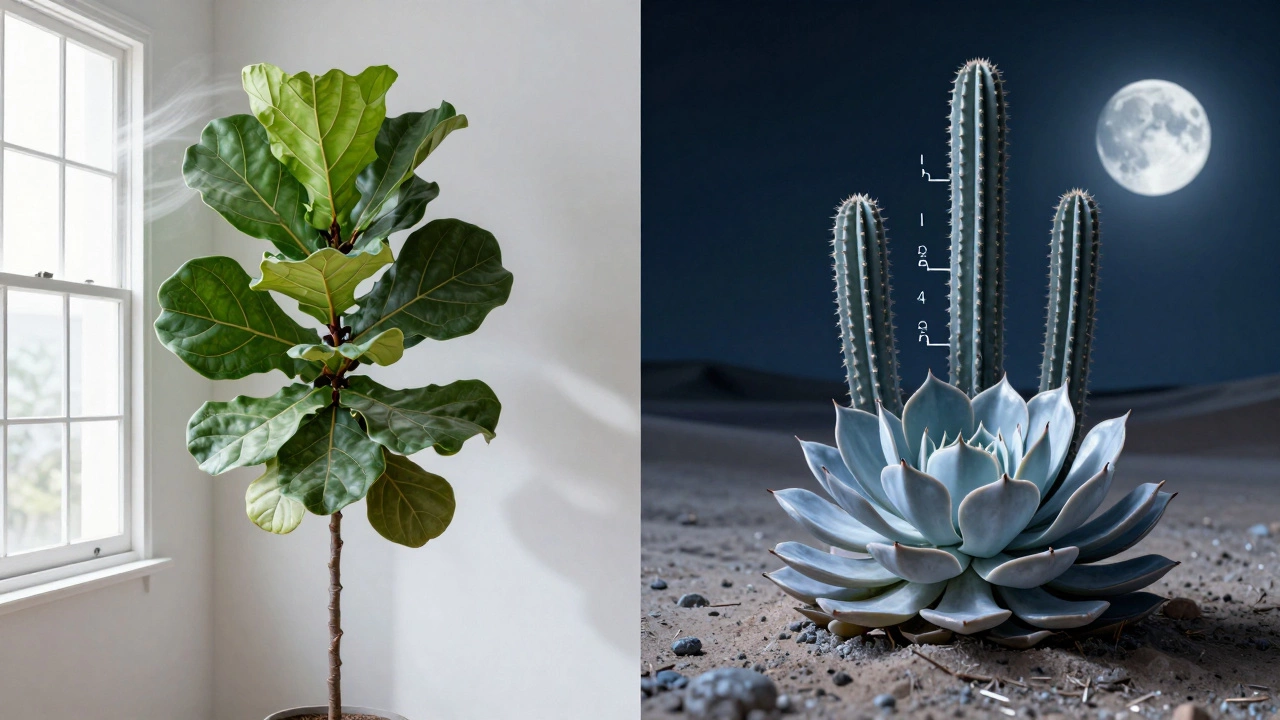
| Tropical (e.g., Fiddle Leaf Fig) | High/Bright Indirect | High | Fast |
| Low-Light (e.g., Snake Plant) | Low/Moderate | Low | Slow |
| Succulents (CAM Plants) | Very High | Delayed (Night) | Variable |
Interestingly, some plants use a specialized method called CAM photosynthesis (Crassulacean Acid Metabolism). This is common in succulents and cacti. Instead of opening their stomata during the heat of the day and losing water, they keep them closed. They only open their 'mouths' at night to collect carbon dioxide, storing it as an acid until the sun comes up the next morning. It's a brilliant survival strategy for dry environments.
Common Pitfalls in Indoor Gas Exchange
Many indoor gardeners make the mistake of thinking that adding more fertilizer is the only way to make a plant grow. However, fertilizer provides minerals (like nitrogen and phosphorus), not energy. Energy comes from the gas-to-sugar conversion. If your plant has plenty of nutrients but isn't getting enough light or fresh air, it will still struggle because it can't produce its own food.
Another issue is the 'dusty leaf' syndrome. When dust piles up on a leaf, it physically blocks the stomata. This prevents carbon dioxide from entering the plant. Imagine trying to breathe through a thick blanket-that's what a dusty plant feels like. Wiping your leaves with a damp cloth isn't just for aesthetics; it's a direct boost to the plant's food-making ability.
Optimizing Your Home for Better Photosynthesis
You don't need an industrial CO2 tank to help your plants. Simple changes in your home environment can make a huge difference in how efficiently your plants utilize the gases around them. Fresh air is the simplest solution. Opening a window for an hour a day refreshes the carbon dioxide levels in your room and clears out stale air.
- Air Circulation: Use a ceiling fan or a small oscillating fan to keep air moving. This prevents 'dead zones' of air around the leaves.
- Humidity Control: Keep humidity levels moderate. If it's too dry, plants close their stomata to save water, cutting off their food supply.
- Cleanliness: Gently clean leaves every few weeks to ensure the stomata remain unobstructed.
- Light Placement: Match your plant to the light. A high-CO2-using plant in a dark corner will eventually fail because it lacks the energy to process the gas.
When you balance light, water, and air, you're giving your plants the perfect kitchen to cook their own meals. By understanding that carbon dioxide is the primary building block for their growth, you can move beyond basic watering and start thinking about your home as a living ecosystem.
Do plants need carbon dioxide at night?
Plants mainly use carbon dioxide during the day when sunlight is available to power photosynthesis. At night, they actually switch gears and perform cellular respiration, which means they take in oxygen and release carbon dioxide, similar to how humans breathe. However, CAM plants (like succulents) do the opposite-they collect CO2 at night to use during the day.
Can too much carbon dioxide harm indoor plants?
In a normal home environment, it is almost impossible to provide 'too much' carbon dioxide. Plants generally love higher levels of CO2 as it accelerates their growth. You would need industrial-grade equipment to reach levels that could potentially disrupt a plant's natural chemistry, which is rarely a concern for home gardeners.
Why do plants release oxygen if they need carbon dioxide?
Oxygen is essentially a byproduct of the photosynthesis process. When the plant splits water and carbon dioxide molecules to create glucose, it has extra oxygen atoms left over. Since the plant doesn't need all that oxygen for its own energy needs, it releases the excess back into the atmosphere through the stomata.
Does adding CO2 supplements actually work for house plants?
While CO2 supplements are common in professional hydroponics or greenhouses, they are usually overkill for standard indoor plants. For most house plants, the limiting factor isn't the amount of gas in the air, but rather the amount of light and the consistency of watering. Improving light exposure usually yields a much higher return than adding CO2.
How does temperature affect the gas exchange process?
Temperature plays a huge role. If it's too cold, the chemical reactions in photosynthesis slow down. If it's too hot, plants may close their stomata to prevent water loss (transpiration), which unfortunately stops carbon dioxide from entering. This is why most indoor plants have a 'sweet spot' temperature where they grow most vigorously.