Compost Material Classifier
Select the type of waste you want to add to your compost bin.
Ready to Compost?
Select a material from the list to see its classification, decomposition speed, and handling tips.
You’re scraping the last bit of yolk off a shell and wondering: does this go in the "green" pile with your veggie scraps, or the "brown" pile with your dry leaves? It’s a common confusion because eggshells look dry and brittle, like cardboard. But they aren’t plant matter in the traditional sense, so they don’t fit neatly into either category.
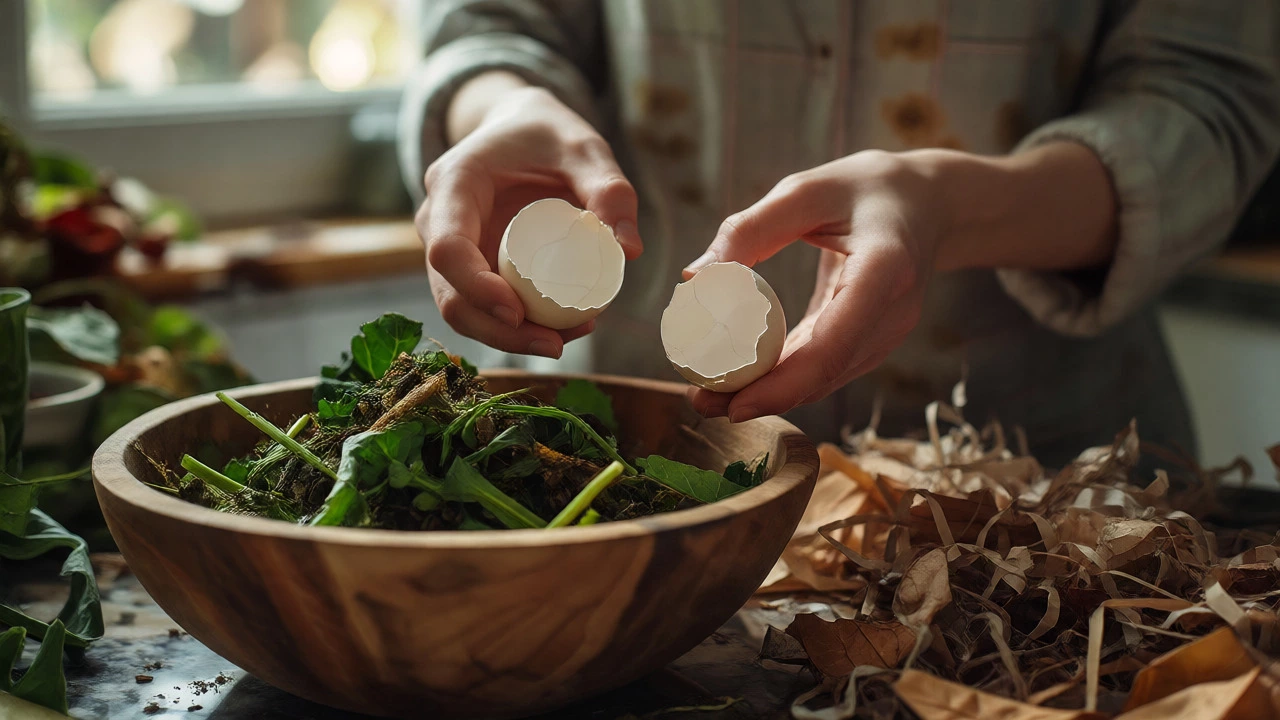
Here is the short answer: Eggshells are neither strictly green nor brown compost. They are considered a neutral mineral additive. However, if you absolutely have to choose one bin for simplicity, treat them as brown material because they add bulk and structure without adding significant nitrogen or moisture. But treating them purely as browns misses the real value they bring to your garden: calcium.
The Carbon-Nitrogen Ratio Confusion
To understand why eggshells break the rules, you need to look at how compost works. Composting relies on balancing two main types of ingredients: greens (nitrogen-rich) and browns (carbon-rich). Greens include things like fruit peels, coffee grounds, and fresh grass clippings. Browns include dry leaves, straw, paper, and sawdust.
Eggshells are made almost entirely of calcium carbonate. They contain no carbon-nitrogen ratio in the way organic tissue does. If you try to calculate their C:N ratio, it’s effectively infinite or undefined because they lack the organic compounds that microbes typically break down for energy. This means they don’t fuel the microbial heat generation process like a banana peel does, nor do they provide the fibrous structure of a dead leaf. They just sit there, slowly dissolving.
So, why do some guides say they are brown? Because they are dry. In practical terms, when you toss an eggshell into your bin, it doesn’t make the pile wetter or smellier, which are the hallmarks of green materials. It adds grit and volume. That’s why many home composters default to calling them brown. It’s a functional label, not a chemical one.
Why You Should Care About Calcium
Forget the green/brown debate for a second. The real reason you should be crushing those shells isn’t to balance your C:N ratio-it’s to feed your soil. Most home gardens suffer from acidic soil, especially in areas with heavy rainfall like Auckland. Acidic soil locks up nutrients, making it hard for plants to absorb what they need.
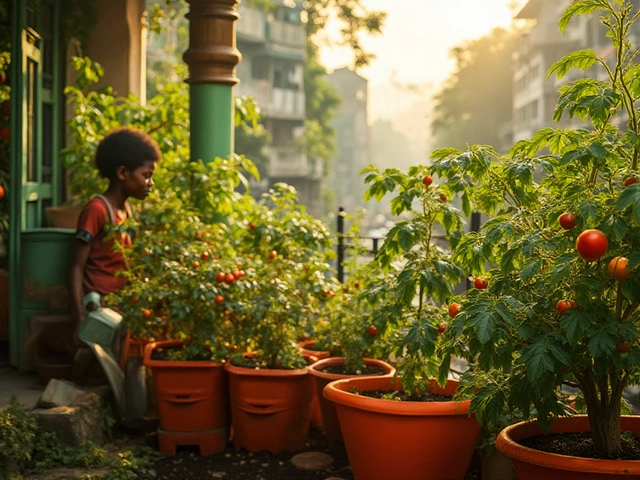
Calcium helps raise the pH of acidic soils, making them more neutral. More importantly, calcium strengthens cell walls in plants. Without enough calcium, tomatoes get blossom end rot, peppers suffer from tip burn, and lettuce develops tip necrosis. These aren’t diseases; they are physiological disorders caused by nutrient deficiency.
| Material | Primary Component | Effect on Soil pH | Decomposition Speed |
|---|---|---|---|
| Fruit Scraps | Nitrogen & Water | Neutral to Slightly Acidic | Fast (Weeks) |
| Dry Leaves | Carbon | Neutral | Medium (Months) |
| Eggshells | Calcium Carbonate | Raises pH (Alkaline) | Very Slow (Years unless crushed) |
| Coffee Grounds | Nitrogen | Slightly Acidic | Fast (Weeks) |
Notice the decomposition speed column. This is the biggest pitfall with eggshells. If you throw whole shells into your compost bin, they will likely still be recognizable as eggshells two years later. They won’t turn into rich humus. They’ll just be white specks in your dark compost. To get the calcium benefit, you need to accelerate the breakdown.
How to Process Eggshells Correctly
If you want your eggshells to actually help your plants, you can’t just toss them in raw. Here is the step-by-step method that ensures they decompose efficiently:
- Rinse and Dry: Rinse the inside of the shell to remove any remaining egg white or yolk. If left wet, these residues attract pests like rats and raccoons, and they can cause odors. Let the shells air dry completely. Sun-drying them on a windowsill works best.
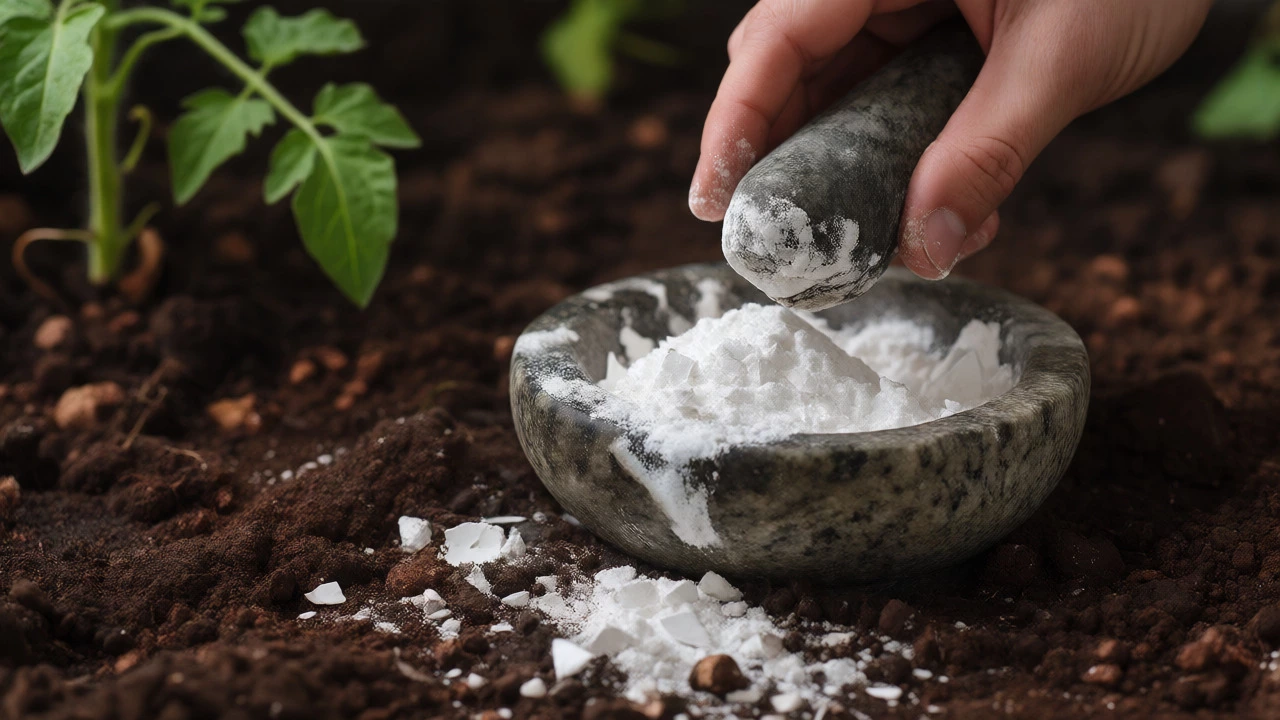
- Crush Them: This is non-negotiable. Whole shells take years to break down. Crushed shells take months. Powdered shells take weeks. Use a rolling pin, a mortar and pestle, or even a blender to grind them into a fine powder. The finer the powder, the faster the calcium becomes available to plant roots.
- Add to Compost or Directly to Soil: You can sprinkle the powder directly onto the surface of your potting mix before planting. Or, mix it into your compost bin. If you add it to the compost, it acts as a buffer against acidity, helping maintain a healthy environment for the microbes.
Some gardeners prefer to skip the compost bin entirely and add powdered eggshells directly to planting holes. This is often more effective for quick fixes, like preventing blossom end rot in tomatoes. By the time compost matures, the calcium might have leached away or bound up with other minerals, but direct application puts it right where the roots need it.
Do Eggshells Attract Pests?
This is a valid concern. While the shell itself is inert, the membrane and residual egg protein are food sources for scavengers. In urban environments, leaving uncleaned eggshells in an open compost heap is an invitation for rodents.
If you use a sealed compost tumbler or a worm farm, you’re generally safe. Worms actually enjoy eggshells. They eat the grit to help grind up food in their gizzards, much like birds eat stones. Just ensure the shells are rinsed clean. If you’re using an open heap, bury the shells deep within the pile rather than leaving them on top. The heat generated by active composting also helps deter most pests, provided the pile is well-managed.
When Not to Use Eggshells
While eggshells are great for most gardens, they aren’t universal. If you live in an area with naturally alkaline soil, adding more calcium can push the pH too high. Plants like blueberries, azaleas, and camellias thrive in acidic conditions. Adding eggshell powder to their soil can lock out iron and manganese, leading to chlorosis (yellowing leaves).
A simple test: buy a cheap pH meter or send a soil sample to a local lab. If your soil pH is above 7.0, skip the eggshells. If it’s below 6.5, they are a valuable asset. In New Zealand, many suburban soils are slightly acidic due to rainfall, making eggshells a useful amendment for vegetable patches.
Green vs. Brown: A Cheat Sheet
Since eggshells are tricky, here is a quick reference guide for categorizing common household waste. Use this to keep your compost balanced.
- Greens (Nitrogen-Rich): Vegetable scraps, fruit peels, coffee grounds, tea bags (remove staples), fresh grass clippings, manure from herbivores.
- Browns (Carbon-Rich): Dry leaves, shredded newspaper, cardboard, straw, wood chips, sawdust (untreated), hair, dryer lint.
- Neutral/Mineral Additives: Eggshells, rock dust, lime, ash (from untreated wood, used sparingly).
Treat eggshells as a seasoning for your compost, not a main ingredient. Aim for a ratio of about 1 cup of crushed eggshells per 10 gallons of compost material. Too much can slow down decomposition by raising the pH too high, inhibiting the bacteria that drive the process.
Can I put whole eggshells in my compost bin?
Yes, you can, but they will take a very long time to decompose-often years. Whole shells act mostly as physical fillers. For better results, rinse and crush them into small pieces or powder before adding them to the bin. This speeds up nutrient release and prevents them from being mistaken for trash by worms or pests.
Do eggshells make compost alkaline?
Eggshells are made of calcium carbonate, which is alkaline. Adding large quantities can raise the pH of your compost, potentially slowing down decomposition if the pile becomes too basic. In typical home composting amounts, the effect is minimal and beneficial for neutralizing acidic kitchen scraps. However, if you have very acidic soil, this buffering capacity is actually a desired trait.
Should I wash eggshells before composting?
It is highly recommended to rinse eggshells to remove leftover egg whites and yolks. These residues attract pests like rats, mice, and flies, and can create unpleasant odors in smaller bins. Rinsing takes seconds and ensures your compost stays clean and odor-free. Let them dry before crushing to prevent mold growth during storage.
Are eggshells good for worms?
Yes, earthworms love eggshells. They consume the gritty texture to help grind up food in their gizzards, similar to how birds eat small stones. Additionally, the calcium helps regulate the pH in worm bins, which can become acidic from decomposing fruit. Always crush the shells finely so the worms can ingest them easily.
Can eggshells prevent blossom end rot in tomatoes?
They can help, but only if applied correctly. Blossom end rot is caused by a calcium deficiency, often triggered by inconsistent watering. Crushing eggshells into a fine powder and mixing it into the soil at planting time provides a slow-release source of calcium. However, it works best as a preventative measure. If symptoms already appear, adjusting watering habits is usually more critical than adding calcium.