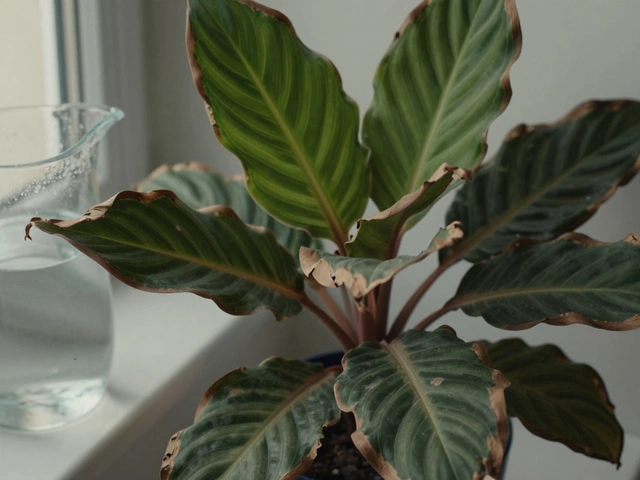
Efficient Irrigation: Simple Ways to Save Water and Grow Healthier Plants
When the summer heat hits, every drop counts. Efficient irrigation isn’t just about cutting the water bill – it’s about giving your plants exactly what they need, when they need it. Below are bite‑size tips you can start using today, whether you have a balcony garden or a full‑size backyard.
Pick the Right System for Your Space
Most Indian gardeners swear by drip irrigation because it delivers water right to the root zone. If you’re dealing with a small balcony, a drip tape hidden behind a vertical garden works wonders. For larger beds, a drip line that runs along each row spreads water evenly. The key is to match the system to the layout – no point installing a heavy‑duty line in a tiny container.
Surface drip systems sit on top of the soil, making them easy to install and adjust. Sub‑surface drip hides the tubes a few inches below the surface, which reduces evaporation and keeps the foliage dry – a real plus for disease‑prone plants. If you can’t afford a full subsurface setup, burying your drip lines at the recommended depth (usually 2–3 cm for light soils, 4–5 cm for heavier soils) already cuts loss significantly.
Control Costs Without Cutting Efficiency
Many think drip irrigation is pricey, but the real cost comes from over‑buying accessories or poor layout. Start with a basic kit – a few meters of tubing, emitters, and a pressure regulator. Use drip tape for straight rows; it’s cheaper than pre‑fitted lines and still delivers uniform flow. You can also reuse old irrigation hoses by punching small holes at regular intervals – just be sure the flow rate stays low enough for seedlings.
Automation saves money too. A simple timer set for early morning or late evening cuts evaporation. Pair it with a moisture sensor and the system will skip watering when the soil is already damp, preventing waste and over‑watering.
Now, let’s talk about watering frequency. Instead of a daily sprinkle, aim for deep, infrequent watering. Watering once every 3‑4 days encourages roots to grow deeper, making plants more drought‑resilient. A quick check – stick your finger 2 cm into the soil; if it feels dry, it’s time to water.
Don’t forget to flush the system at the start of the season. Run water through the lines for a few minutes to clear debris and check for leaks. A tight system means every drop reaches the plant, not the garden path.
Finally, combine efficient irrigation with other water‑saving habits. Add organic mulch around plants to keep soil cool and reduce evaporation. Collect rainwater in barrels and hook them up to your drip pump – you’ll cut municipal water use dramatically.
Putting these steps together creates a watering routine that’s cheap, easy, and kind to the environment. Start small, test the flow, and watch your garden thrive with less water. Happy watering!
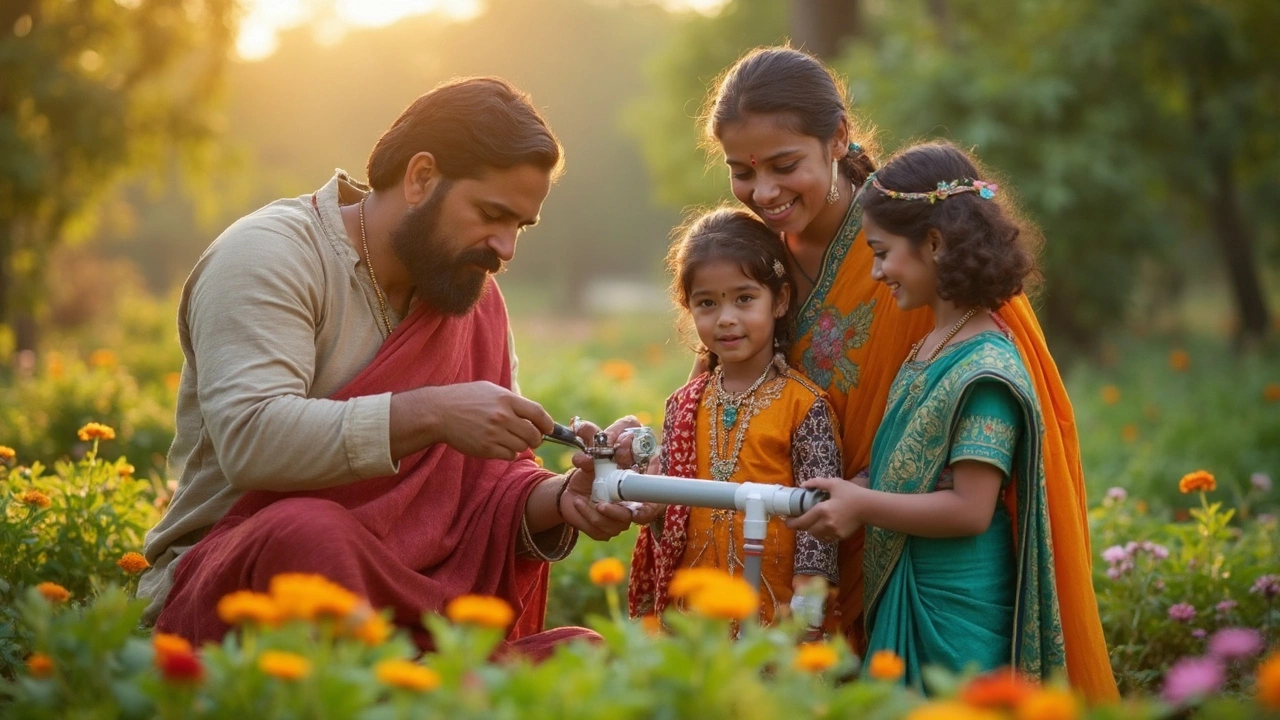
Drip Irrigation
0
Comments
Can I Install Drip Irrigation Myself? Here's Everything You Need to Know
Looking to install a drip irrigation system on your own? This article provides practical tips, common pitfalls to avoid, and a step-by-step guide to help you get started. Discover how this efficient watering solution can save you time and money while keeping your garden lush and healthy. We'll guide you through the do-it-yourself process, offering insights into tools, materials, and layout plans. By the end, you'll be ready to tackle this garden project with confidence.
About
Drip Irrigation
Latest Posts

Which Fruit Is the King of India? All About Growing the Mango
By Alden Thorne Apr 19, 2025
Disadvantages of Having a Balcony Garden
By Alden Thorne Mar 10, 2025
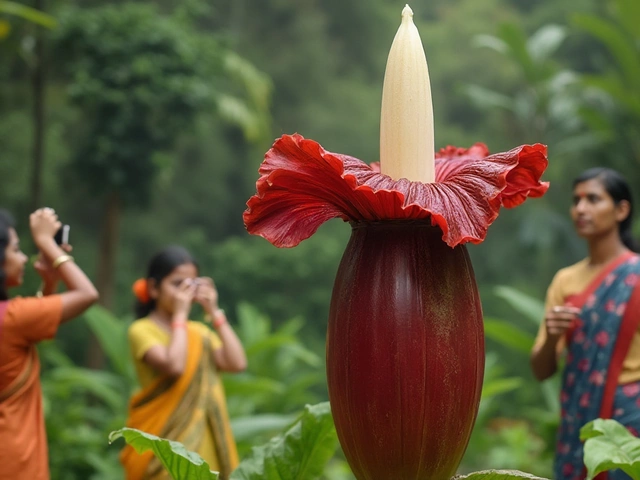
Exploring India's Notorious Stinky Flower: The Titan Arum
By Alden Thorne Jan 26, 2025