Rice Cultivation: Practical Tips, Yield Boosters, and a Quick History
If you’re thinking about growing rice in India, you’ve landed in the right spot. Rice is the backbone of many Indian meals, and successful cultivation can mean a steady income and a healthier garden. Below you’ll find down‑to‑earth advice on soil prep, water management, and boosting yields, plus a bite‑size look at where rice began.
Getting the Soil and Water Right
First off, rice loves a mellow, water‑logged field. Start by testing your soil’s pH; aim for 5.5‑6.5. If your land is heavy clay, mix in organic compost or sand to improve drainage when the field dries out. For sandy soils, add more organic matter to hold moisture. Once your bed is ready, flood it to a depth of about 5‑7 cm – this creates the anaerobic environment rice roots thrive in.
Water management is the game‑changer. In many Indian states, rain supplies most of the water, but you’ll often need supplemental irrigation. Use drip lines or low‑tech channels to keep water levels steady. Remember, too much water can cause lodging (when plants fall over), while too little stresses the crop and cuts yield.
Choosing Varieties and Boosting Yield
Pick a variety suited to your region’s climate. In the north, short‑duration varieties like ‘IR64’ finish in 120 days, while the south prefers longer‑duration types such as ‘Madura 120’. Look for disease‑resistant strains if your area struggles with bacterial leaf blight.
Boosting yield isn’t about fancy tech; it’s about timing and nutrition. Apply a balanced NPK fertilizer – 40 kg N, 20 kg P₂O₅, and 20 kg K₂O per hectare – just before transplanting. Follow up with a top‑dress of nitrogen at panicle initiation for that extra grain push. Also, space seedlings 20 cm apart in rows 20 cm apart; this spacing lets each plant get enough light and air.
Consider a simple pest control method: broadcast a thin layer of rice husk ash after flooding. It improves soil structure and can deter some insects without chemicals.
Want to know how much rice you can expect? On average Indian farms harvest 3‑4 t per hectare, but with optimal variety, proper water, and balanced fertilization, 5 t isn’t unheard of.
A Quick Peek at Rice’s Roots
Curious about where rice started? The first cultivated rice appeared in the Indian subcontinent around 7,000 years ago, spreading from the Ganges‑Brahmaputra basin to the rest of Asia. Understanding this heritage helps appreciate why rice thrives in India’s monsoon‑fed paddies.
Whether you’re a beginner planting a small field or an experienced farmer eyeing bigger returns, the basics stay the same: good soil, steady water, the right variety, and timely nutrition. Keep an eye on weather forecasts, adjust water levels, and you’ll see greener shoots and healthier grains.
Ready to start? Grab a handful of seedlings, level your field, flood it, and watch your rice grow. Happy planting!
Rice Cultivation
0
Comments
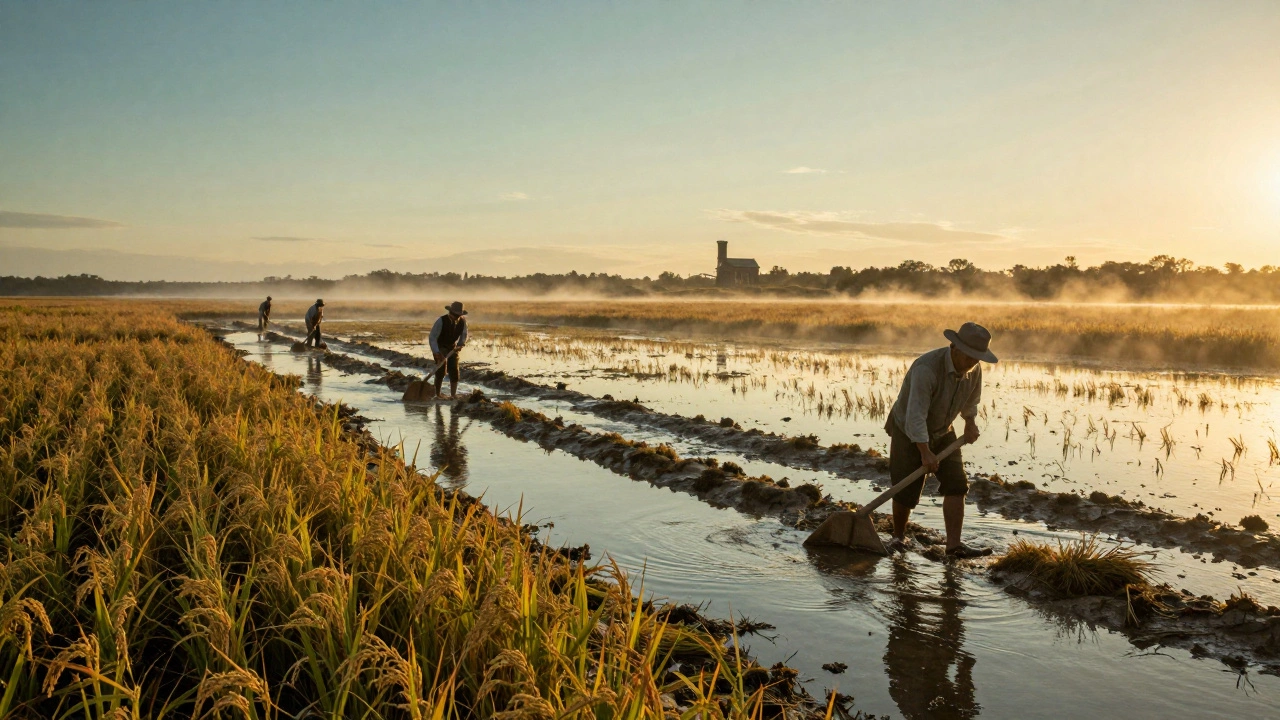
Why is Carolina Gold Rice so good?
Carolina Gold Rice is a heritage grain with a nutty flavor, firm texture, and deep cultural roots in the American South. Grown in tidal soils using centuries-old methods, it's prized for its aroma, independence from modern farming, and unmatched taste.
Rice Cultivation
0
Comments
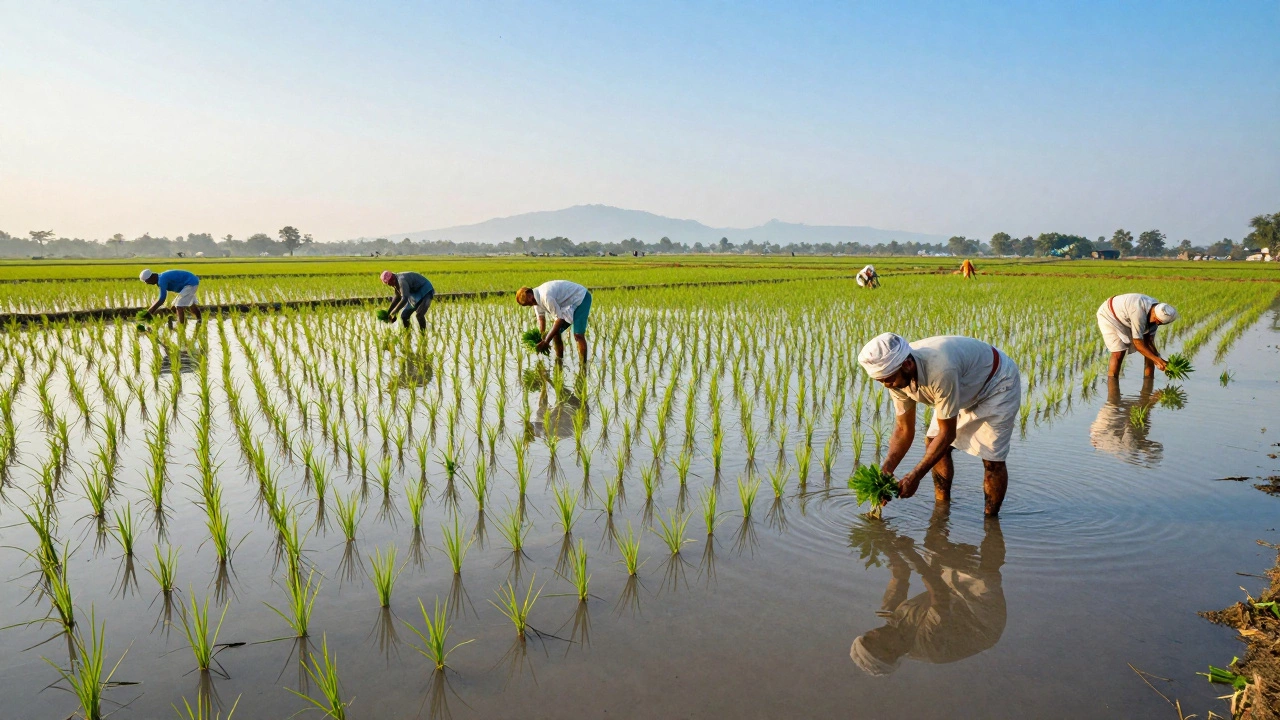
How Long Does It Take Rice to Grow? Full Timeline from Seed to Harvest
Rice takes 90 to 180 days to grow, depending on variety and climate. Learn the stages of rice cultivation, how weather affects growth, and how to grow it at home.
Rice Cultivation
0
Comments
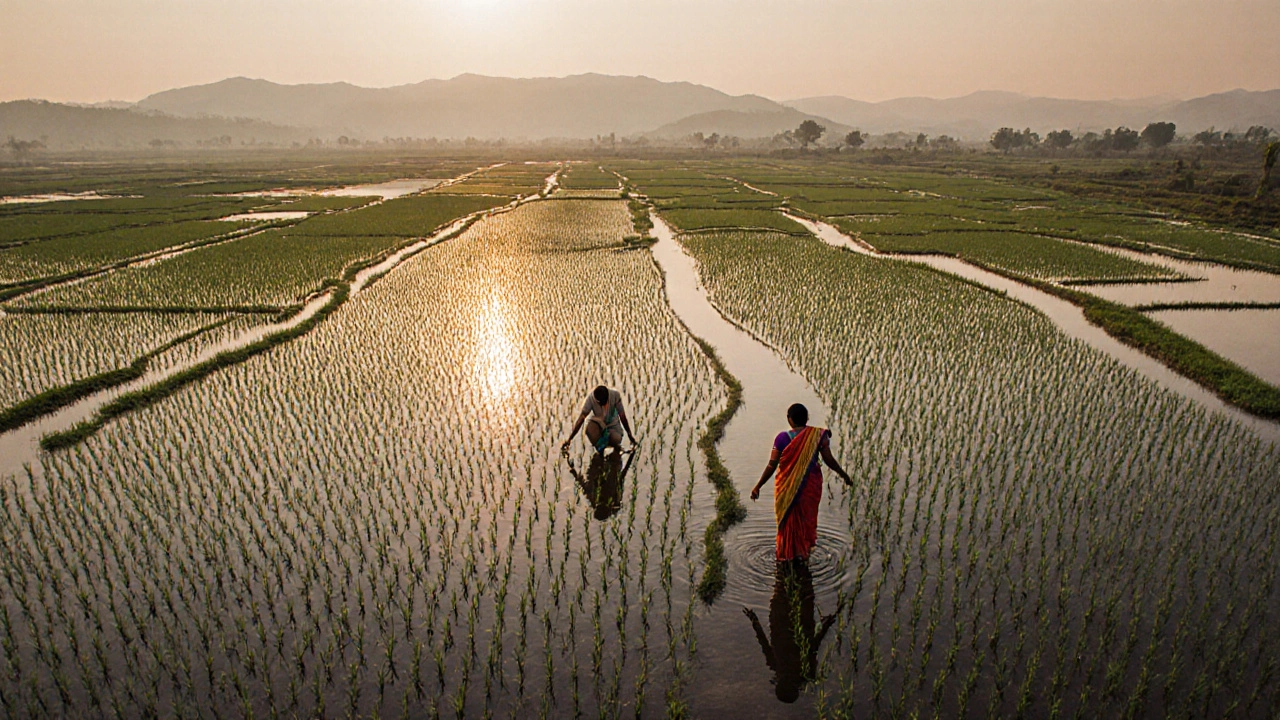
How Many Acres of Rice Are Needed to Feed One Person?
It takes about 0.033 acres of rice land to feed one person for a year-roughly 1,450 square feet. Rice farming uses huge amounts of water and land, but new methods are making it more sustainable.
Rice Cultivation
0
Comments
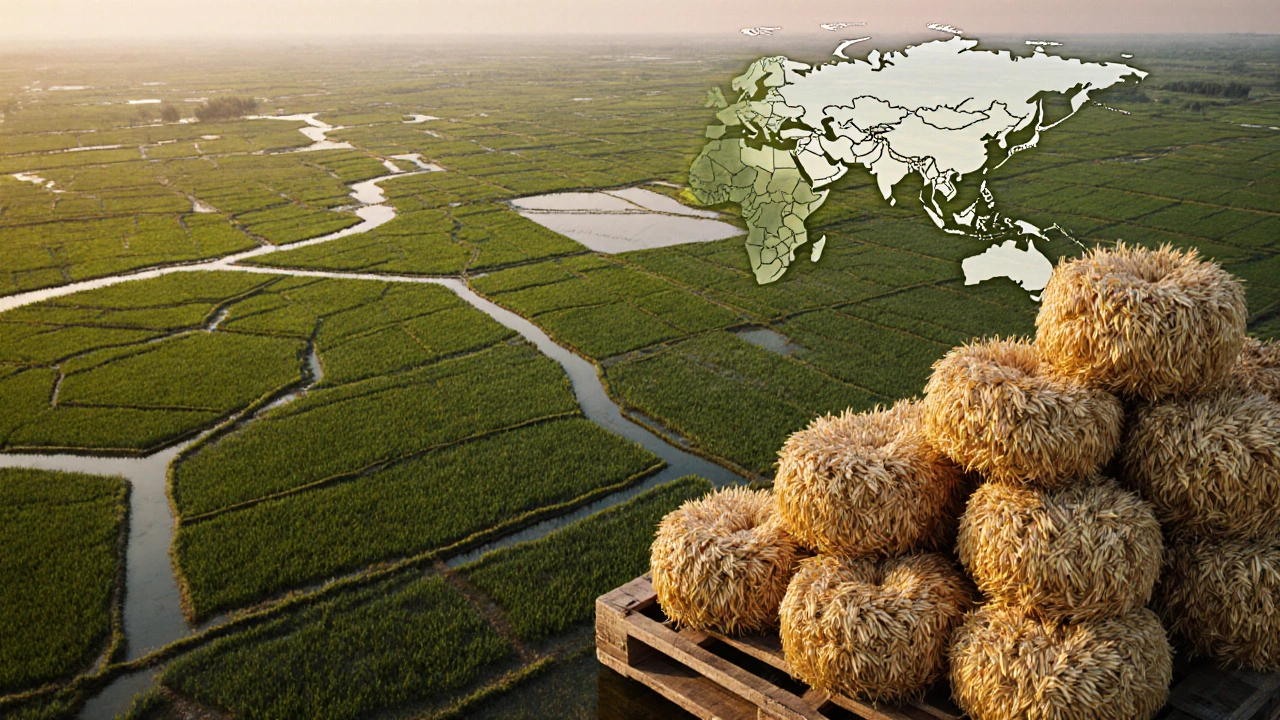
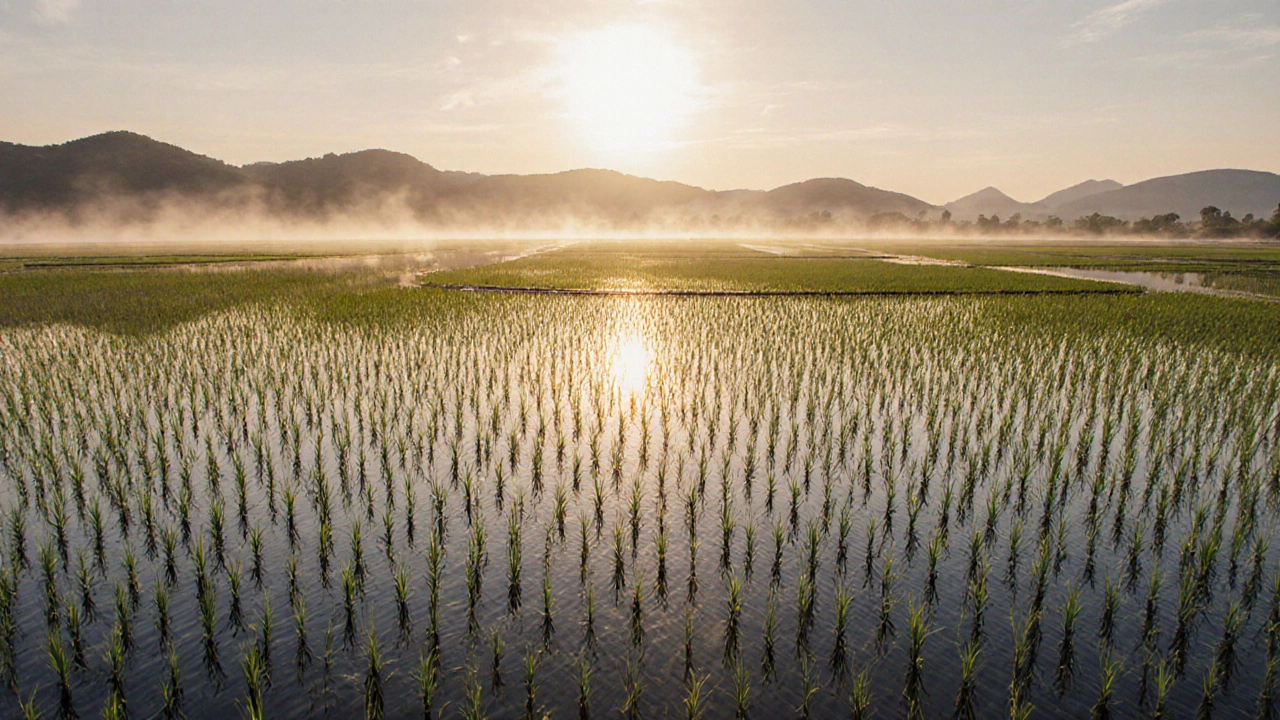
5 Surprising Rice Facts You Should Know
Discover five eye‑opening rice facts covering production, types, water use, nutrition, and modern innovations that keep this staple grain vital worldwide.
Rice Cultivation
0
Comments
Ideal Land for Growing Rice: Best Soil Types & Conditions
Learn which soil types and land conditions give rice the best chance to thrive, with practical steps for soil testing, amendment, and water management.

Rice Cultivation
0
Comments
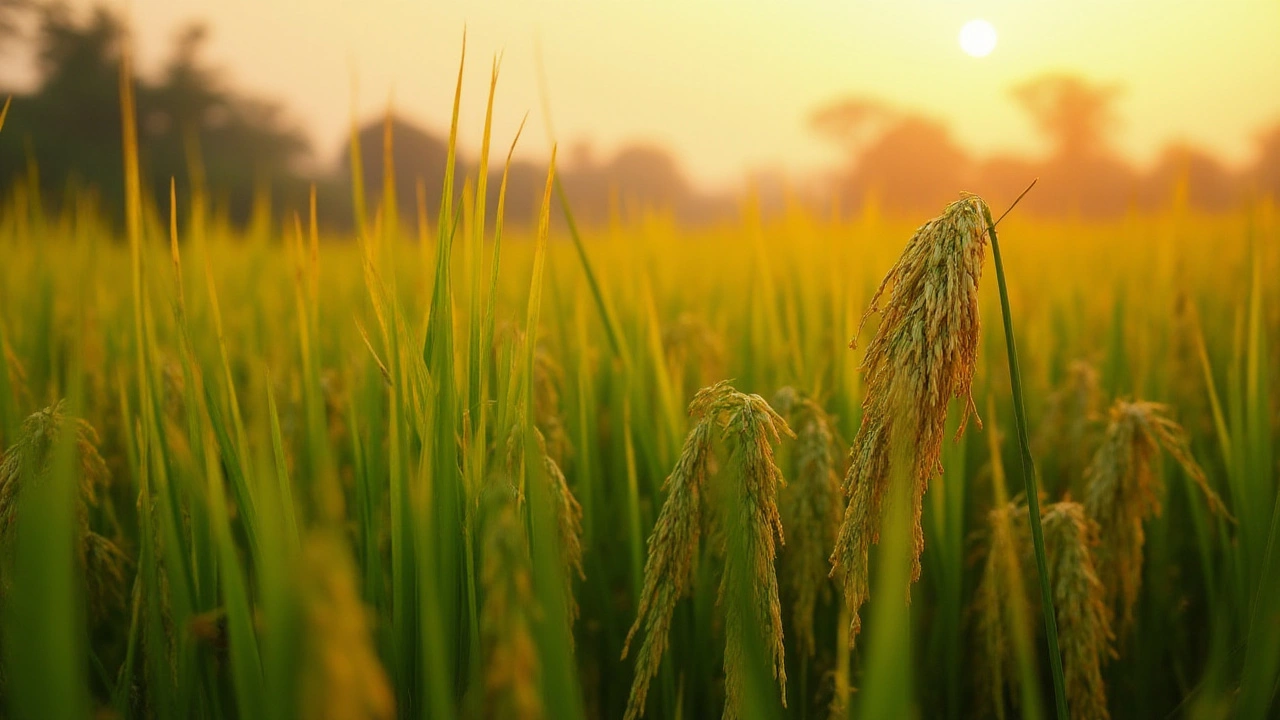
Risks of Rice Business: Common Challenges and How to Avoid Them
Discover the risks of the rice business, from unpredictable weather to global price swings and pests. Learn practical tips to reduce losses and succeed in rice cultivation.
Rice Cultivation
0
Comments
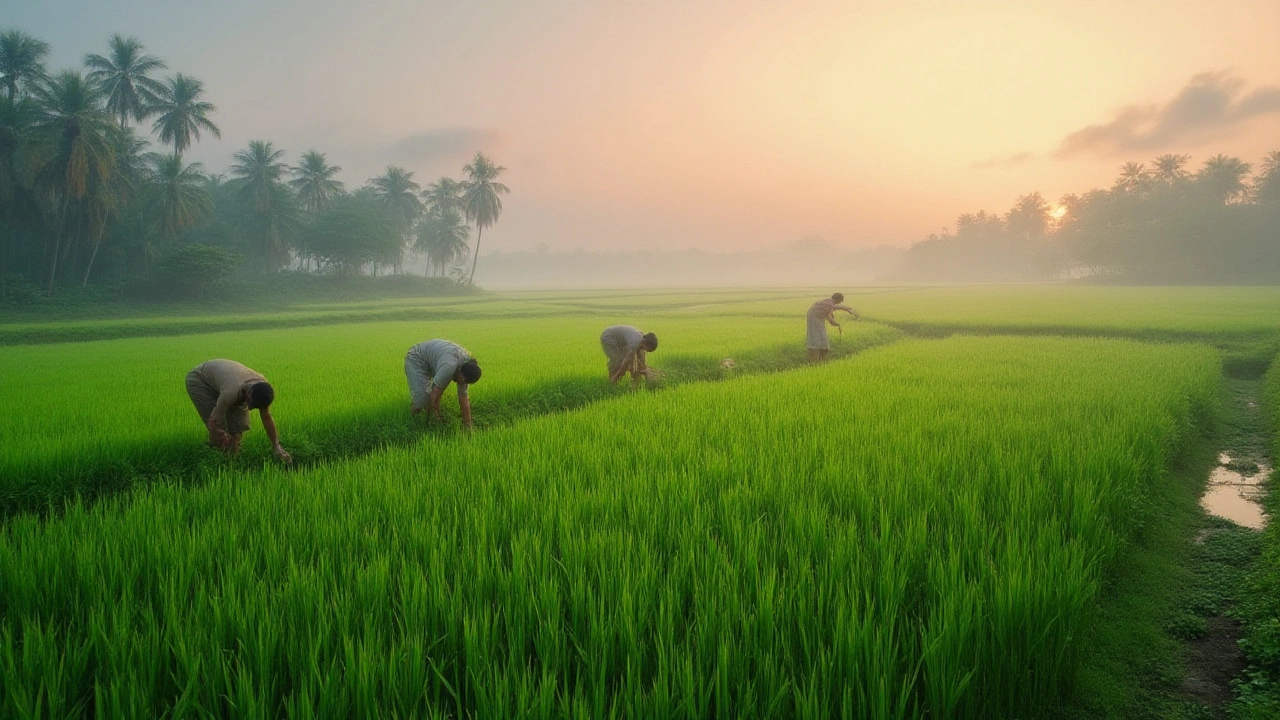
How Many Rice Grains from One Plant: Surprising Yield Facts You Need to Know
Ever wondered how many rice grains grow on a single plant? Discover fascinating yield numbers, plant growth facts, and practical tips for maximizing your rice harvest.
Rice Cultivation
0
Comments
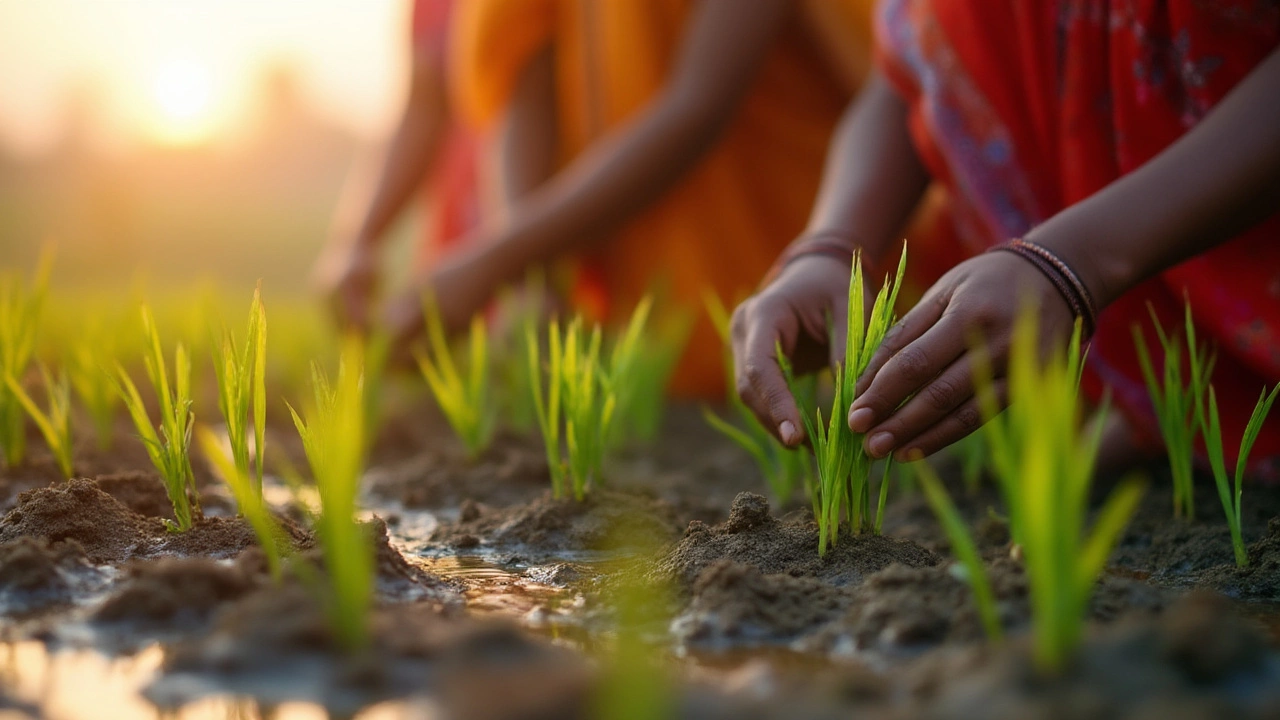
Best Soil for Rice Cultivation: Secrets to Thriving Paddies
Discover the best soil for rice cultivation, how it affects growth, and tips to improve your own rice field no matter where you live. Detailed guide inside.
Rice Cultivation
0
Comments
How Deep to Plant Rice: Best Depths, Mistakes, and Expert Tips
Planting rice at the right depth might sound simple, but it's key for healthy crops. Find out the science behind the best rice planting depth and get hands-on advice for perfect results.

Rice Cultivation
0
Comments
Why Wash Rice Before Cooking? The Real Reasons Revealed
Ever wondered why people bother washing rice before cooking? This article breaks down the science and tradition behind this common step, exploring if it really makes rice healthier or tastier. From dirty grains to hidden chemicals, we'll look at what actually gets rinsed away. You'll find tips for doing it right and learn how growing, harvesting, and processing rice affect why washing matters. Whether you're whipping up sushi or a simple bowl of steamed rice, knowing when and how to wash can amp up your results.
Rice Cultivation
0
Comments
Does Rice Grow Back Every Year? Understanding Rice's Regrowth Cycle
Ever wondered if you can plant rice once and just keep harvesting year after year? This article explains whether rice naturally regrows annually or if farmers need to replant. It shares how ratoon cropping works, when rice regrows after harvest, and the differences between perennial and annual rice varieties. You'll also find out what conditions let rice fields bounce back and where farmers actually benefit from rice regrowth.
Rice Cultivation
0
Comments
Rice Farming Profitability: What Really Pays Off?
Rice farming can look promising, but the real profits depend on a lot more than planting seeds and waiting for harvest. This article breaks down the actual costs, profits, and risks of growing rice today. Expect tips on boosting yields, saving on expenses, and selling smarter. Whether you’re thinking of diving in or already knee-deep in paddies, you’ll get numbers and real-world advice. See exactly how rice farming stacks up for your wallet.
- 1
- 2
About
Rice Cultivation
Latest Posts
McGregor Garden Tools Manufacturer - Who Makes Them & Why They Top the Garden Tool List
By Alden Thorne Oct 26, 2025
How to Stop Houseplants From Dying: Proven Tips for Thriving Indoor Plants
By Alden Thorne Jul 3, 2025

Compost vs Organic Compost: What Really Sets Them Apart?
By Alden Thorne Jun 4, 2025